
Dyslexic teen pushes against system that fails those with disabilities
Students dropping out of school due to learning disabilities such as autism, Down’s Syndrome, and dyslexia is a painful reality that can happen when the country’s education system fails to meet the needs of people with disabilities (PWDs).
Additionally, societal stigma and lack of awareness about learning disabilities from families, especially parents, also worsen the situation, despite decades of advocacy.
One such student is a 17-year-old who will be sitting for the SPM for the first time in his second year back in Malaysia after a spell overseas.
Despite having done well abroad, he is struggling now and is not confident about getting through. He expressed concern about his future if his academic achievements are unimpressive.
The teen is one of six Kedah students involved in...
Editor's note: This article has been edited to remove the name of a student interviewed upon the request of his family.
Students dropping out of school due to learning disabilities such as autism, Down’s Syndrome, and dyslexia is a painful reality that can happen when the country’s education system fails to meet the needs of people with disabilities (PWDs).
Additionally, societal stigma and lack of awareness about learning disabilities from families, especially parents, also worsen the situation, despite decades of advocacy.
One such student is a 17-year-old who will be sitting for the SPM for the first time in his second year back in Malaysia after a spell overseas.
Despite having done well abroad, he is struggling now and is not confident about getting through. He expressed concern about his future if his academic achievements are unimpressive.
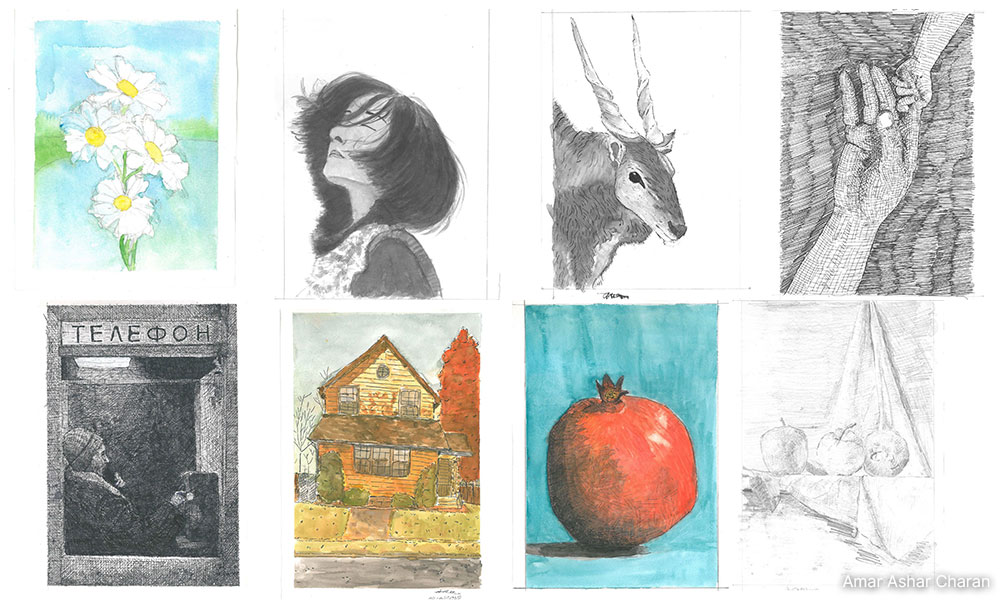
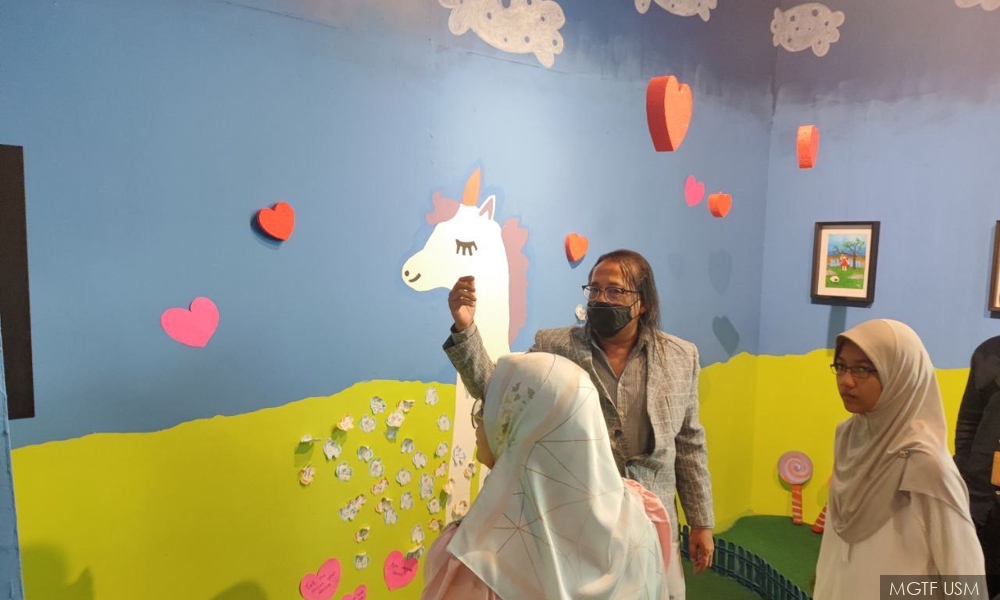
The teen is one of six Kedah students involved in the visual art exhibition “Denaisutera-Projek Cerah Hati Karyawan Remaja Disleksia” at Tuanku Fauziah Museum and Gallery (MGTF) Universiti Sains Malaysia (USM).
He shared his challenges with Malaysiakini.
“It’s quite sad because my disabled classmates are mocked by the other kids.
“Some teachers avoid disabled students, including me.
“The academic system does not help kids like me,” he said when met in Penang recently.
In Education Minister Fadhlina Sidek’s New Year 2023 mandate includes “always looking for a solution towards zero dropout rates” for children of all races in this country.
Meanwhile, the student explained he had the opportunity to live in the United Kingdom for four years, following his mother, who is a lecturer at a local university when she furthered her studies there in 2018.
Thus, he said he could compare the two education systems on how it treats PWDs, especially dyslexic students like himself.
Difference like day and night
“Here, the kids think I’m a ‘crazy person’ as if I want to attack them.
“I don’t know how to face SPM. I don’t think I can pass with flying colours,” said the student, who was born in Kuala Lumpur and grew up in Kedah.
According to the student, since returning to Malaysia, he had to go to three different schools because of his disability, whereas things were different in the UK.
“When I moved to the UK, (I found the education system there) conformed more to me than I had to conform to the system here.
“The difference is quite drastic, (like) day and night.
“For example, in the UK, they have an individual learning system.
“You can give 10 different answers to the same question and all of them are correct. Here, if you give just one different answer, it’s wrong,” he explained.
He added that while he was studying in the UK, he wasn’t considered “stupid or slow” - everyone respected and understood him.
“I was not placed in the last class but the ‘top class’ because I got one of the highest marks based on the evaluation system there.
“In Malaysia, I was placed in the PWD class, I was the last person in that school to get any recognition. I couldn’t pass any test scores,” he said.
Understanding dyslexia
Despite this, the student said he was quite excited about the opportunity to participate in the exhibition organised by MGTF USM and the Malaysian Dyslexia Association in Sungai Petani.
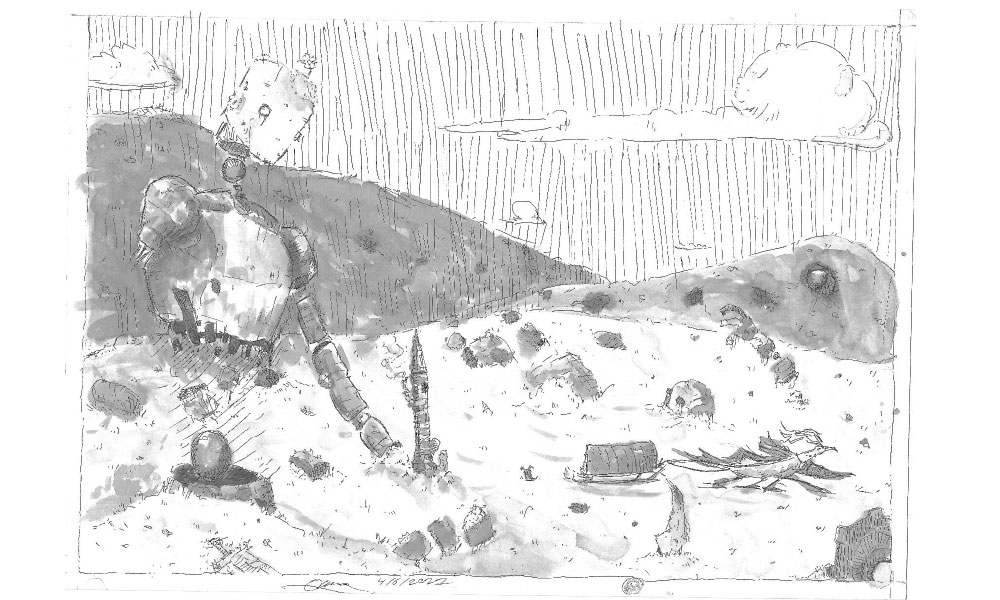
“Usually people’s response to dyslexic children is negative. Initially, I assumed they would say ‘oh, this is foolish artwork’.
“But for this exhibition, the feedback from the public was really positive. They congratulated me,” he added.
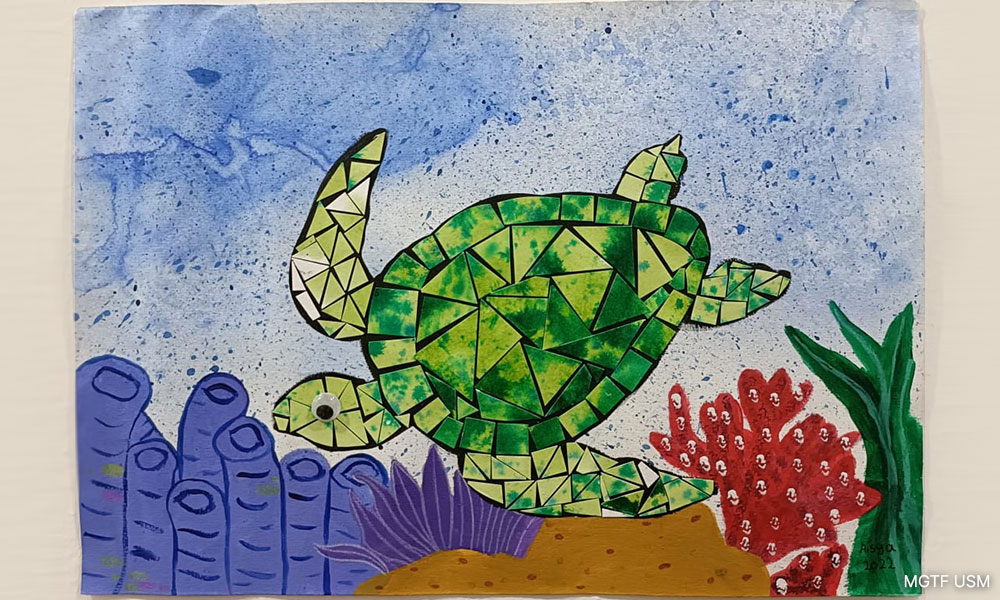
In addition to the student, joining him at the exhibition are five other teenagers presenting various forms of visual art including painting, colouring, collages, object modelling, and clay work.


Of the five teenagers, the youngest artist is 11-year-old Aisya Auliya Mohd Azam.
Aisya’s mother, Hanis Aili Azra Abd Razak, shared her daughter’s challenges at school.
Indeed, she didn’t know Aisya had shown signs of dyslexia until she received a call from a teacher.
“The teacher said Aisya is quite a slow learner,” she said during an interview with Malaysiakini.
Hanis then took her daughter for a medical exam at a clinic in Kedah.
“The doctor instructed Aisya to move forward, she moved backwards. To the left, Aisya moved to the right.
“Before this, I gave the same instructions to Aisya over and over again. I noticed that when I told her to wear the right shoe, she wore the left shoe. But I didn’t think she was dyslexic at the time.
“I kept scolding her then, ‘Why can’t you understand?’ until I got to the clinic. When the doctor performed a test, everything became clear.
“Aisya tried to spell the word ‘father’, but she couldn’t. She was told to write ‘ball’, but the letter ‘b’ was upside down. There are some words when written, some of the letters are upside down,” she said.
From a medical point of view, the basic problem of dyslexia is the way the brain works in connecting visual symbols with sounds and this includes having difficulty reading, writing, understanding, spelling, and counting.
According to the Health Ministry’s Myhealth portal, it is estimated that 4 to 8 percent of Malaysian school students have dyslexia.
In the meantime, Hanis said that after gaining an understanding of dyslexia, she made sure Aisya’s teachers were aware of her daughter’s disability.
“Any new teacher would scold her - Aisya, you are lazy, you are slow.
“But once the teacher knows she has dyslexia, she would be given space,” she said.
Art as a safe pathway
In a related development, USM’s Tuanku Fauziah Museum and Gallery director Prof Hasnul Jamal Saidon said he curated the exhibition after being approached by the Malaysian Dyslexia Association in Sungai Petani.
He explained that a dyslexia expert told him there is a prison in the United States where more than 50 percent of its inmates are dyslexic.
“This shows that these dyslexic people, if there is no early intervention, will have their potential lost because it is wrongly seen that these people cannot work.
“Dyslexia is a hidden disability. If a child is autistic or has Down’s Syndrome, people can see it physically. (With dyslexia), people will think this child is just making things up.
“So I thought, I can do something in my personal capacity as an academic and as the director of MGTF.
“For these people, visual art becomes a safe pathway,” he told Malaysiakini during an interview in Penang.
According to Hasnul, before the exhibition was made, he organised a series of creative workshops with the help of dyslexia experts and psychologists.
“The purpose of the workshop is to give a foundation for interactive activities to test self-creativity.
“As a result, their (dyslexic teenagers) creativity is really high. According to the theory of their creativity, this is not abnormal.
“These people are very creative and even ordinary people don’t reach their level,” he said.
The visual art exhibition “Denaisutera-Projek Cerah Hati Karyawan Remaja Disleksia” at the Tuanku Fauziah Museum and Gallery of Universiti Sains Malaysia, Penang will run until Jan 31 and is open to the public.
To find out more information about the exhibition, visit MGTF’s Facebook page.