




Be warned! Violence begets violence
An opposition politician has issued a warning - participants of peaceful assemblies may one day lash back at the police if the cops continue with their excessive action against protesters.
An opposition politician has issued a warning - participants of peaceful assemblies may one day lash back at the police if the cops continue with their excessive action against protesters.
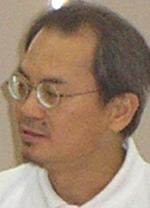 DAP leader Ronnie Liew (
right
) said unless the authorities take concrete steps to check violence by the police force in peaceful rallies, the police may in the future find itself dealing with demonstrators willing to lash back just as violently.
DAP leader Ronnie Liew (
right
) said unless the authorities take concrete steps to check violence by the police force in peaceful rallies, the police may in the future find itself dealing with demonstrators willing to lash back just as violently.
"I hope Suhakam will take a very strong stand on (this) as I am worried that. At the rate we're going, if we don't stop the police from their acts of brutality, one day it will force protesters and the public in general to also react strongly to their violence," he cautioned.
Liu said this when commenting on the Suhakam findings into last year's 'Bloody Sunday' incident. The report was released yesterday.
Suhakam's panel of inquiry into allegations of police violence during the anti-fuel hike demonstration on May 28 at the Kuala Lumpur City Centre concluded that the police used 'excessive force' in dispersing the crowd.
'What choice do we have?'
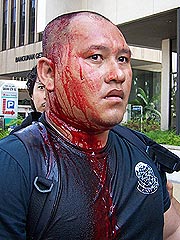 The image of blood flowing profusely from the head of one demonstrator (
left
) and of others being beaten by riot police
shocked
witnesses at the scene of the demonstration and those who saw photos of the incident.
The image of blood flowing profusely from the head of one demonstrator (
left
) and of others being beaten by riot police
shocked
witnesses at the scene of the demonstration and those who saw photos of the incident.
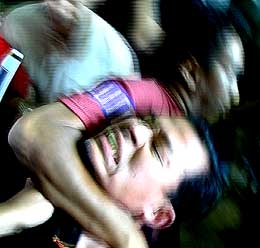
Liu also cited the assault on PAS leader Saari Sungib ( photo, below ) during last Sunday's anti-toll hike protest outside the Summit USJ shopping mall in Subang Jaya, Selangor.
While Malaysians have often derided demonstrators in other countries such as South Korea and Thailand when they clash with police using sticks and stones, anger at the police's brutality against unarmed protesters in Malaysia may lead to similar developments, Liu warned.
 "If police continue to use (force with such) brutality, what choice do we have?" he asked.
Echoing Liu's statements on the matter, Saari said while Suhakam and civil society have consistently advocate and exercise the right to peaceful assembly and freedom of expression, the police have demonstrated only consistent abuse of their powers.
"The police have been consistent in terms of violating our right (to peaceful protests) and in disregarding the recommendations of Suhakam," said Saari.
Public opinion vital
Liu, Saari and representatives of other concerned groups present at the release of Suhakam's findings congratulated the inquiry panel - led by commissioners KC Vohrah, Zaitoon Othman, Choo Siew Kioh, and Dr Michael Yeoh - for the comprehensiveness of its recommendations.
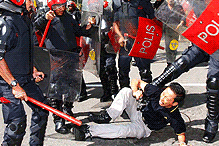 Aside from recognising the excessive force with which the police and the Federal Reserve Unit (FRU) had acted on May 28, Suhakam also urged for the repeal of provisions in Section 27 of the Police Act 1967 that, in requiring a licence for any public assembly, conflicted with the constitutional guarantee to freedom of assembly.
Foremost among the groups' concerns, however, was whether the police force and other relevant government agencies would act upon the recommendations and how Suhakam would ensure steps were taken towards that end, said human rights group Suaram coordinator Chang Li Kang.
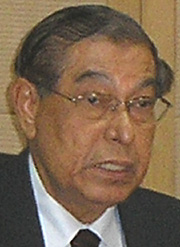 Responding to these concerns, Vohrah (
left
) said Suhakam was not alone among national human rights institutions around the world in lacking powers to enforce its recommendations.
Responding to these concerns, Vohrah (
left
) said Suhakam was not alone among national human rights institutions around the world in lacking powers to enforce its recommendations.
Yeoh suggested that the media and public opinion should not be discounted in affecting the changes that are required in the police force.
"I think the weight of public opinion is very important and carries some resonance with the police... and weight," said Yeoh.
"That's why we need your support to publicise the report and mobilise public opinion," he told reporters.


