
KINIGUIDE | Are generic drugs less effective?
KINIGUIDE | Last week, Health Minister Khairy Jamaluddin insisted that the generic blood pressure medication given to former prime minister Najib Abdul Razak was practically the same as what he was taking before.
However, Najib’s lawyer Muhammad Shafee Abdullah disputed this, saying the generic medication was “not as effective” and that Najib’s blood pressure only went down with the original medicine.
In this KiniGuide, we look at the differences between generic medication and its original - or innovator - versions, and their effectiveness.
What are innovator and generic drugs?
According to the Health Ministry, an innovator drug, also known as the original drug, is a first-of-its-kind patented drug containing a specific active ingredient.
The founding company of the innovator drug will have the sole patent for approximately 20 years or more, which prevents other companies from producing or selling a similar drug in the market during that period.
Following the expiration of the drug patent, other companies are legally allowed to manufacture drugs containing the same active ingredient as the innovators. These drugs are listed as generic drugs.

As defined by the World Health Organization (WHO), generic products are usually intended to be interchangeable with an innovator product. Generic drugs are manufactured without a licence from the innovator company and are marketed after the expiry date of the patent or other exclusive rights.
Theoretically, the pharmacological effect of a generic drug is exactly the same as that of its innovator counterpart.
Its similarities include its active ingredient, its strength and dosage, therapeutic effects, side effects and method of consumption.
A prime example of this would be the active ingredient paracetamol, which is contained in Panadol - the innovator medicine.
Following the expiry of Panadol’s drug patent, the market then introduced Uphamol, Actimol, and Milidon.
Innovator versus generic
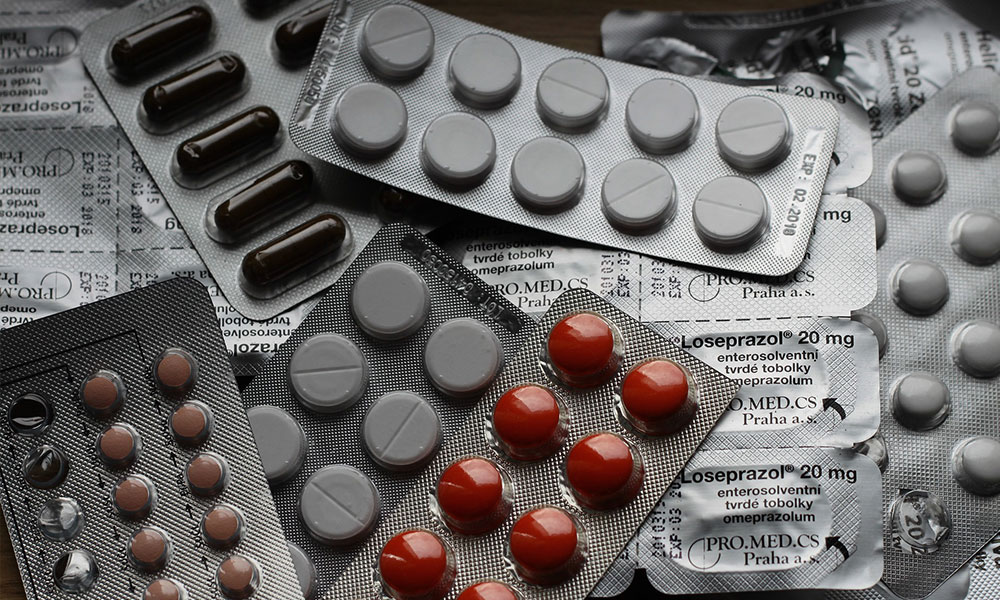
The main differences between innovator and generic drugs are their brand as well as the appearance of the drug, with differences in size and colour.
This is because trademark laws prevent generic drugs from being confusingly similar to other brands.
However, a key difference between innovator and generic drugs is their price tag, with generic drugs marketed at a lower price than their innovator counterparts.
The low price tag of generic medication is due to manufacturers saving costs on the research and development (R&D) phase of the drug.
The high cost of clinical trials, marketing and promotion of the product in the R&D stage is usually borne by the manufacturers of innovator drugs.
Further, price competition in the market between several manufacturers of generic drugs also leads to their low prices.
This has led to concern by the public that the quality and efficacy of generic drugs are compromised to reduce manufacturing costs.
Are generic drugs safe?
Because of the low prices, there is some scepticism over the quality and efficacy of generic drugs, with some believing that innovator or name brand medicine is of higher quality and is safer than generic drug brands.
However, all medicines, including generic medicine, are required to comply with regulatory standards before they can be registered with the Drug Control Authority (DCA) of Malaysia.
According to the Health Ministry, generic drugs are required to undergo bioequivalence studies to ensure their quality, safety and effectiveness.

A bioequivalence study determines whether the generic product releases its active ingredient into the bloodstream at the same rate as its innovator product at the same dosage.
As such, the Health Ministry said generic medicines registered with the DCA are on par with their innovator counterparts as they have fulfilled the requirements of being of quality, safe and effective.
Performative differences
On the flip side, a 2017 Canadian study found that patients who took generic versions of three different blood pressure medications saw an increased rate of side effects.
The study’s authors said this possibly suggests that there are performative differences between innovator and generic products.
The paper was reviewed in an article published by the Harvard Medical School which was shared on social media in an attempt to debunk Khairy’s claims that generic medications were just as effective.
In the article, Harvard Medical School professor Dr Niteesh K Choudhry said there might be a possibility that the generic medication was manufactured with a different inactive ingredient or a slight variation in the chemical formula that caused patients to have more side effects.
However, the article also notes several caveats about the Canadian study.
One caveat was that the study did not follow patients who switched from an innovator drug to a generic one - meaning there is a possibility that the patients would have suffered side effects regardless of which version of the medication was used.
Another caveat was that because innovator drugs cost more, it’s also possible that older, sicker individuals who could only afford generic medication suffered side effects because of their existing state of health, not due to the quality of medication.
Choudry opined that innovator drugs are not always better but merely just more expensive and that there was no evidence generic drugs were less effective or safe.