
KJ: Next budget will include plans to catch up on HPV vaccination
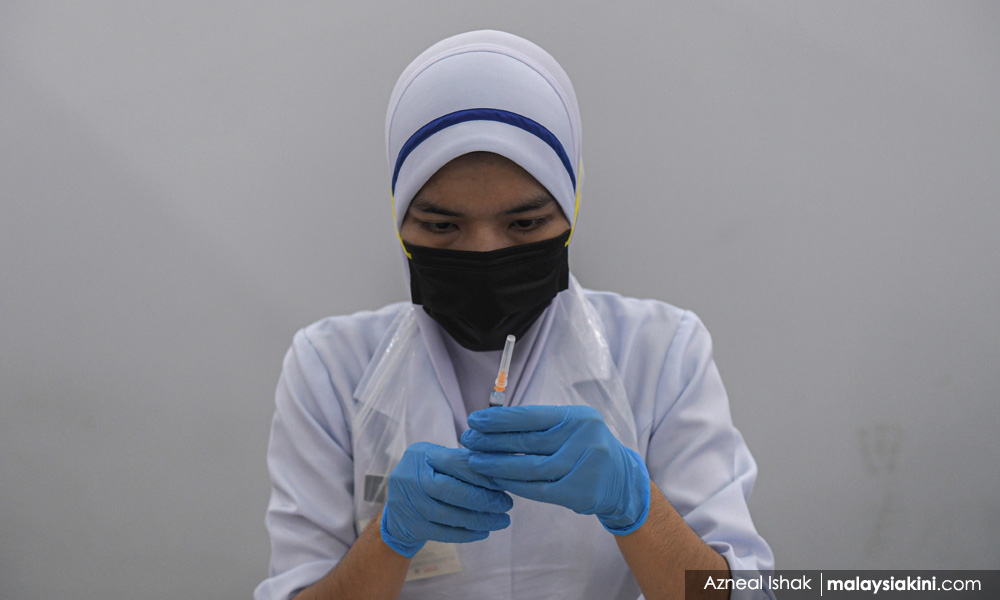
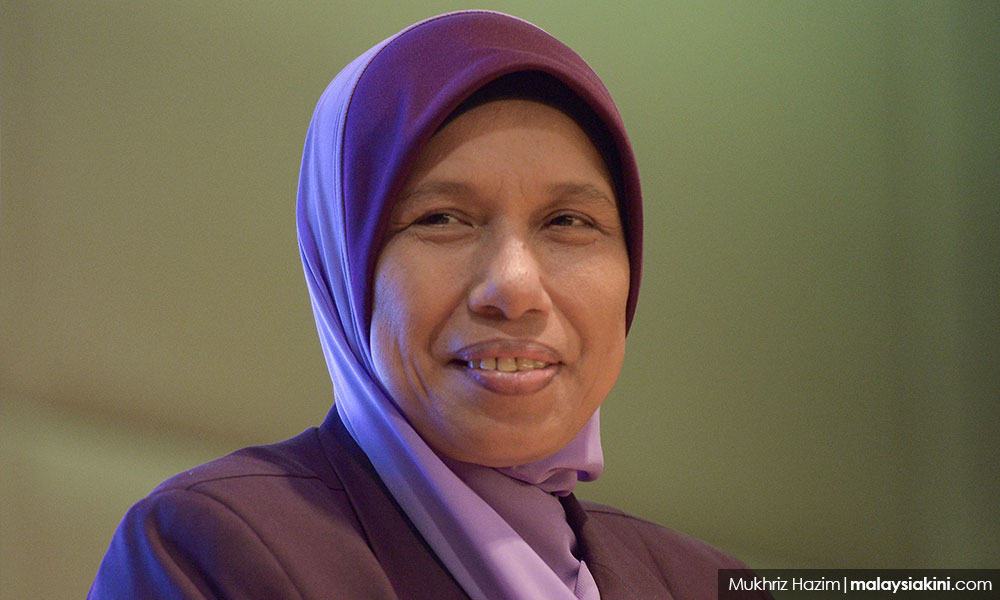
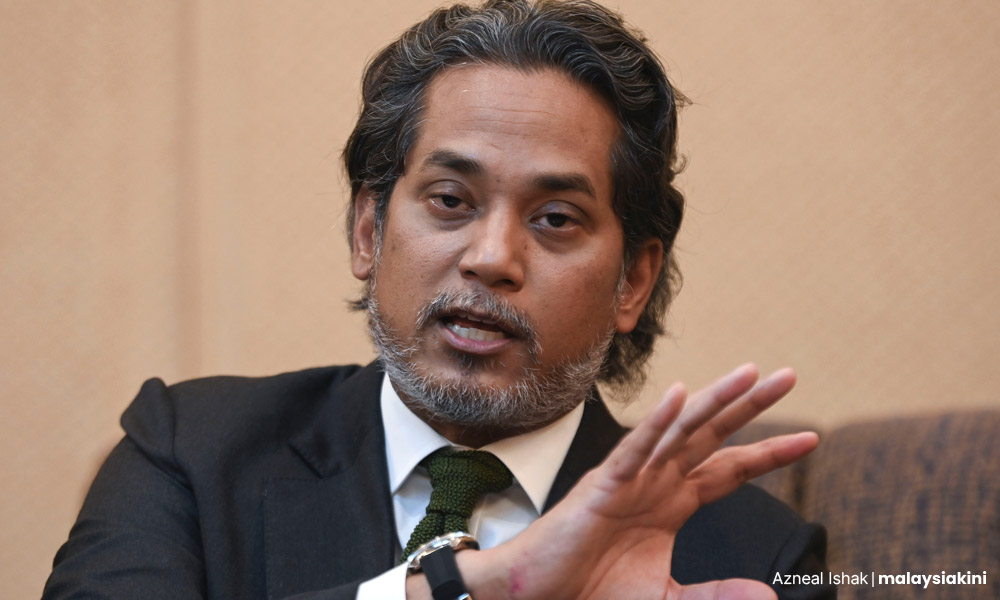
Health Minister Khairy Jamaluddin has confirmed there are plans to allocate funds to catch up on the human papillomavirus (HPV) vaccination programmes after vaccination rates for school girls fell last year.
He told reporters today that the country had “lost a bit of ground” during the Covid-19 pandemic but assured that there will be an allocation in the upcoming Budget 2023 to tackle the issue.
Health Minister Khairy Jamaluddin has confirmed there are plans to allocate funds to catch up on the human papillomavirus (HPV) vaccination programmes after vaccination rates for school girls fell last year.
He told reporters today that the country had “lost a bit of ground” during the Covid-19 pandemic but assured that there will be an allocation in the upcoming Budget 2023 to tackle the issue.
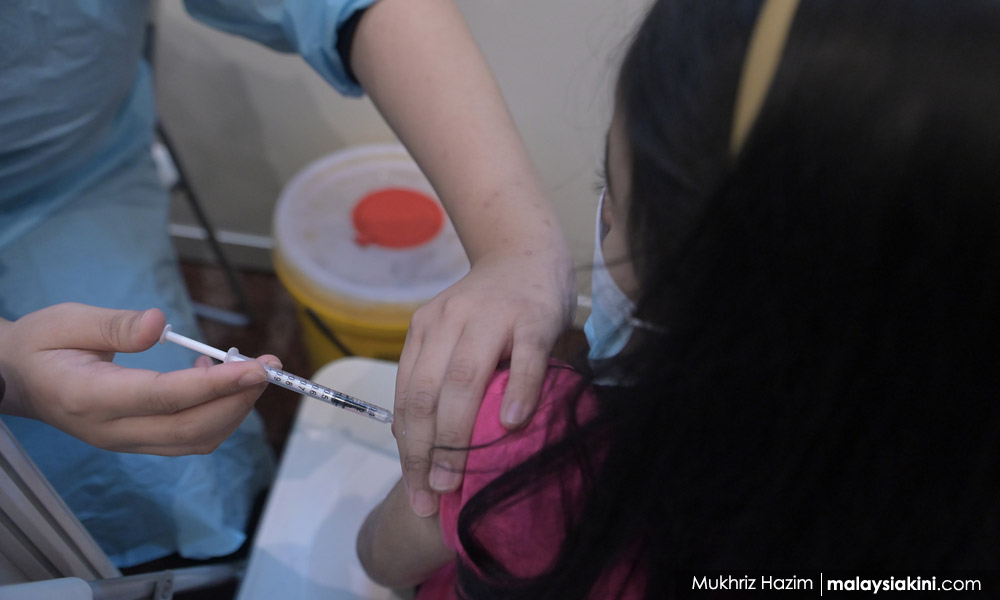
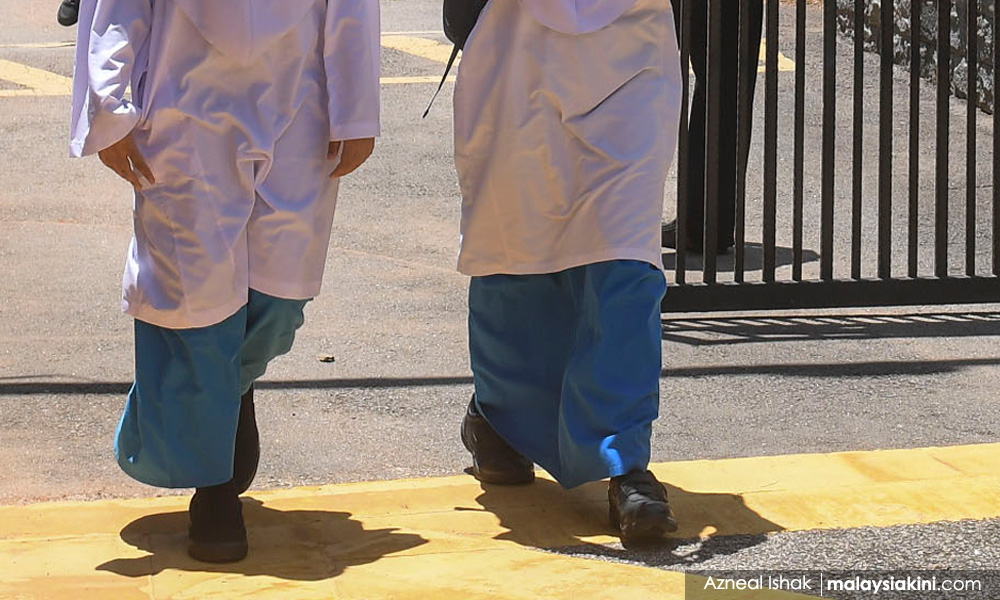
According to Khairy, the Health Ministry found that in 2020, 209,279 (98.2 percent) Form One school girls received at least one dose of their HPV vaccine, while 206,042 (96.7 percent) had completed two doses within the same year.
“This was achieved through shifting school-based vaccination to clinic-based vaccination during the affected period,” he said.
Khairy, however, noted that only 34,933 (12.7 percent) received their first dose, and 31,708 (6.4 percent) from the same group received two doses of the vaccine in 2021.
Vaccine shortage
The health minister attributed the drop in inoculation rates to the global HPV vaccine shortage last year.
“This low coverage in 2021 was related to the global HPV vaccine shortage and we have already planned to ensure that we procure enough vaccines for the end of this year and next year so we can catch up,” he added.
Earlier this week, Bandar Kuching MP Dr Kelvin Yii called on the Health Ministry to urgently resume the HPV vaccination programme for 13-year-olds in schools after a pandemic-related halt meant more than 560,000 girls missed their shots.
The HPV vaccination is to curb cervical cancer, the third most common cancer among women in Malaysia, affecting 1,740 women and killing 991 of them a year.
Malaysia was the first country in Southeast Asia to implement a national HPV inoculation programme, giving out free vaccination to all 13-year-old girls in public and private schools starting in 2010.
If done privately, a double dose for children and a triple dose for adults can cost more than RM1,000 per person.