
KINIGUIDE | Through the murky waters and mudslinging of the Baling floods
Editor’s Note: This article was updated on July 19 to reflect Environment and Water Minister Tuan Ibrahim Tuan Ibrahim's statement to Parliament and former Kedah menteri besar Ahmad Bashah Md Hanipah's statement on the durian plantation approval.
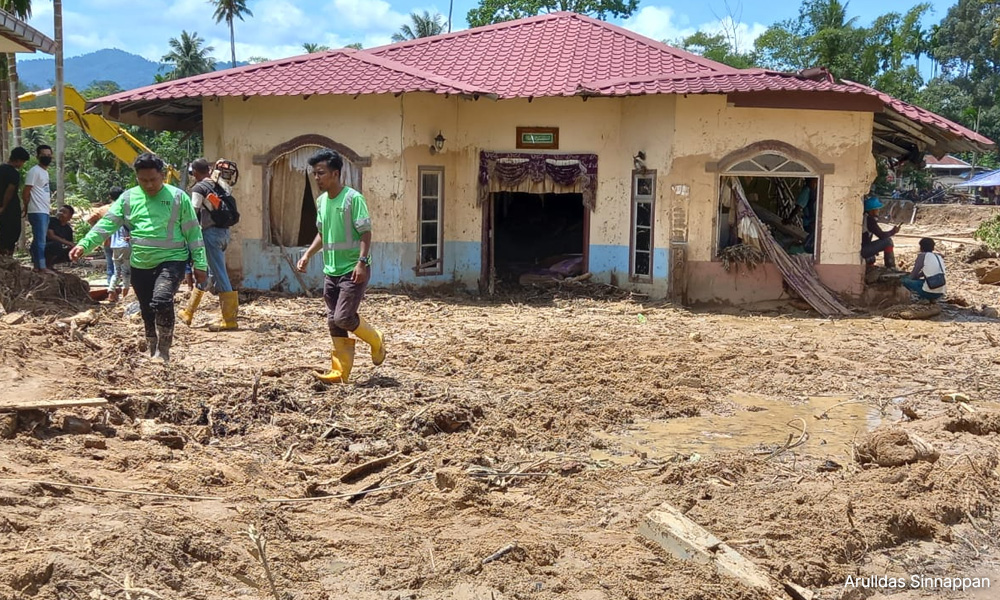
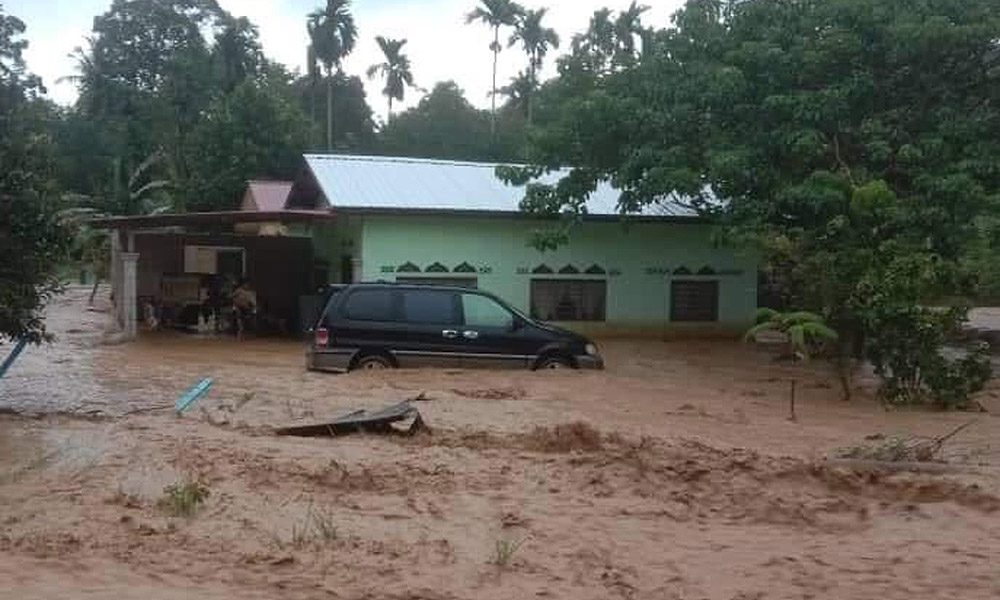
KINIGUIDE | Clearing works in the Gunung Inas Forest Reserve to make way for a Musang King durian plantation are under the spotlight following devastating mud floods on July 4 which killed three and displaced more than 1,000 villagers in Kupang, Baling in Kedah.
As villagers pick up what is left of their homes and possessions from the debris and sludge, political mudslinging continues with politicians passing the buck over how such a plantation came to be in the highland reserve.
Malaysiakini traces the origins of the forest clearing at the reserve and the issues surrounding the Musang King plantation there in this Kiniguide.
Where is the Gunung Inas Forest Reserve and how close is it to the disaster site?
The Gunung Inas Forest Reserve is 36,979ha of gazetted forest reserve located in Kupang some 20km from Baling in Kedah.
It is named after Gunung Inas, a mountain in the Bintang range, which is 1,801m above sea level.
Compartment 8 of the Gunung Inas Forest Reserve is a water catchment area, supplying water to 70 villages and 21,000 people. The same compartment is where the plantation is located.
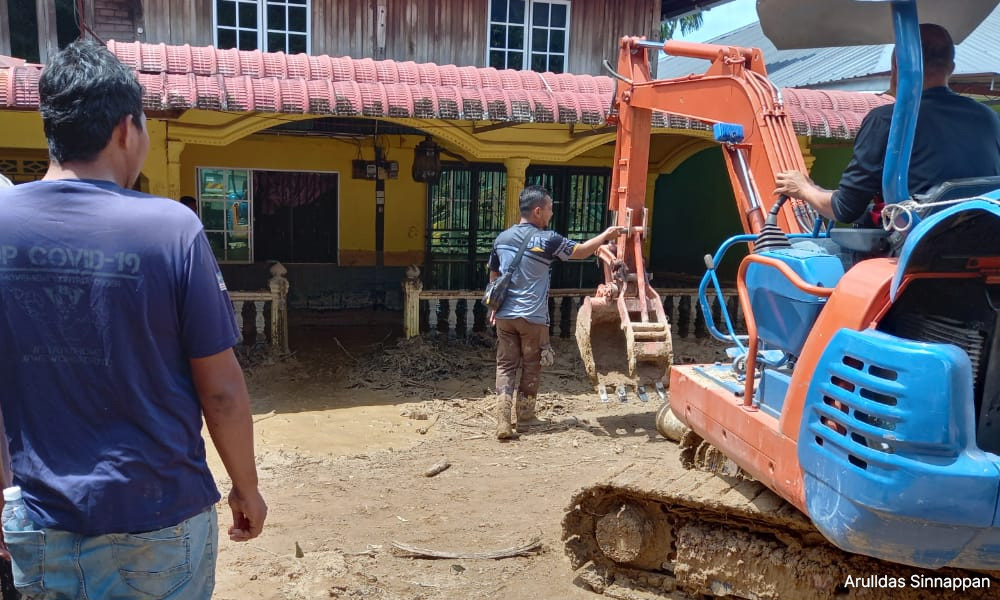
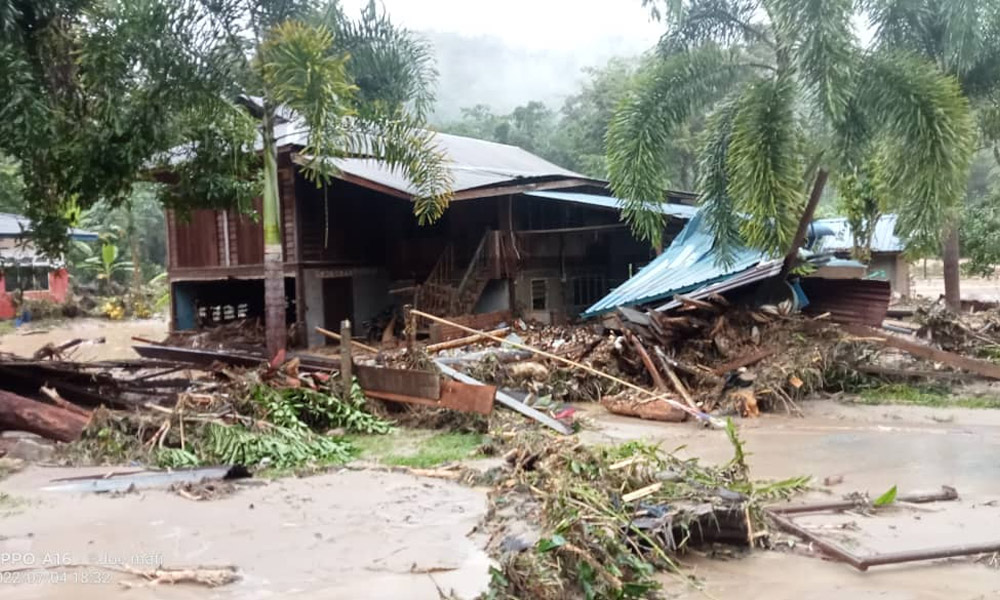
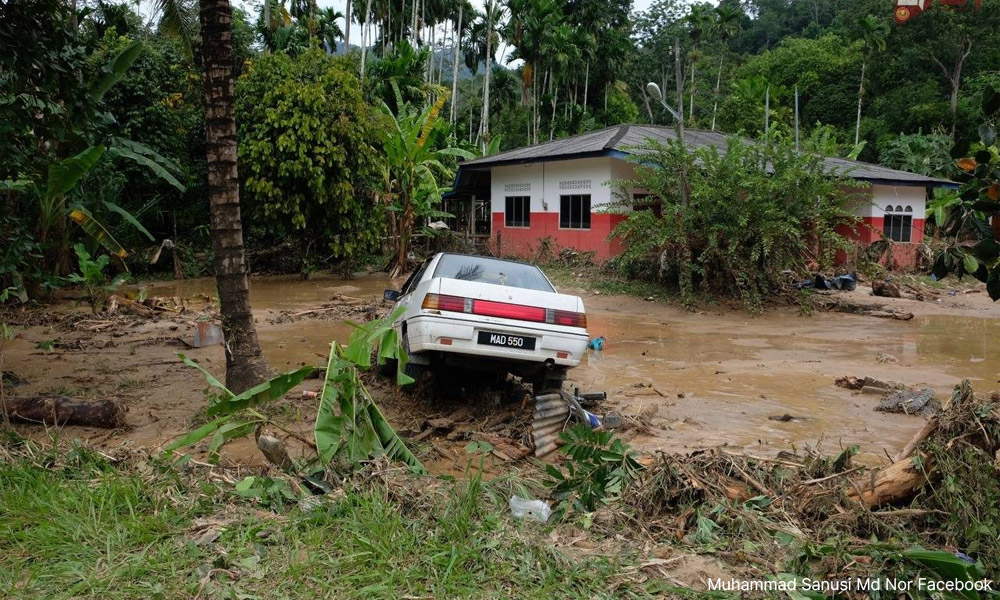
The border of the forest reserve is 500m from Kampung Iboi, the worst-hit village of the floods. Pictures of the scene the day after show wood debris as high as houses, homes caked in mud or completely washed away, and vehicles buried under piles of sludge.
The bodies of a pregnant woman and her mother-in-law were found in an embrace, under a pile of wood debris, about 100m from their home, while the body of a teenaged boy was found not too far away.
If it is a forest reserve, why is there a plantation there?
The land-use status of forest reserves in Malaysia can legally be converted for other purposes, be it for logging, mining or for plantation.
This does not change the land’s status as a forest reserve on paper, although it may not look like a forest on the ground.
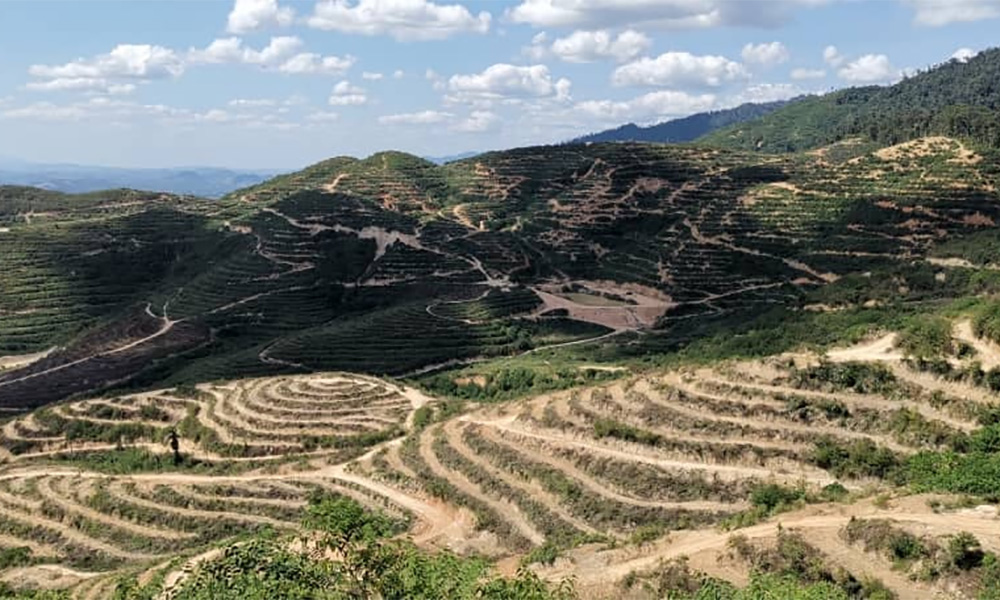
In this case, the Department of Environment (DOE) in 2013 granted approval to clear all logs within 5,000ha of the Gunung Inas Forest Reserve to turn the area into a mono-crop plantation for timber latex clone (TLC) rubber trees.
TLC rubber trees are grown for timber, with latex as a by-product.
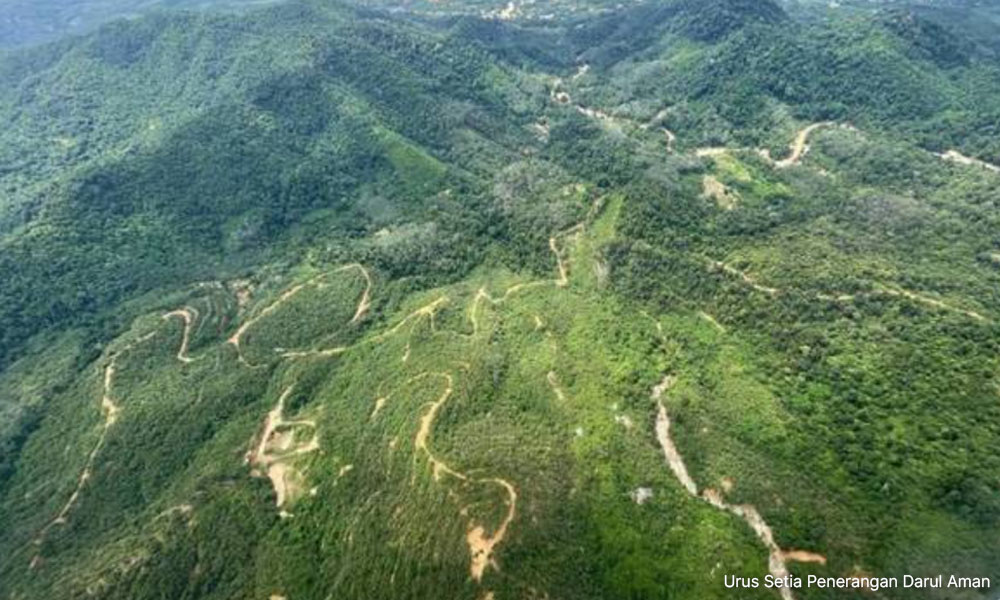
Videos of NGO visits to the plantation previously showed it was located on an incline on the mountain.
But villagers are blaming a durian plantation, not rubber. Why?
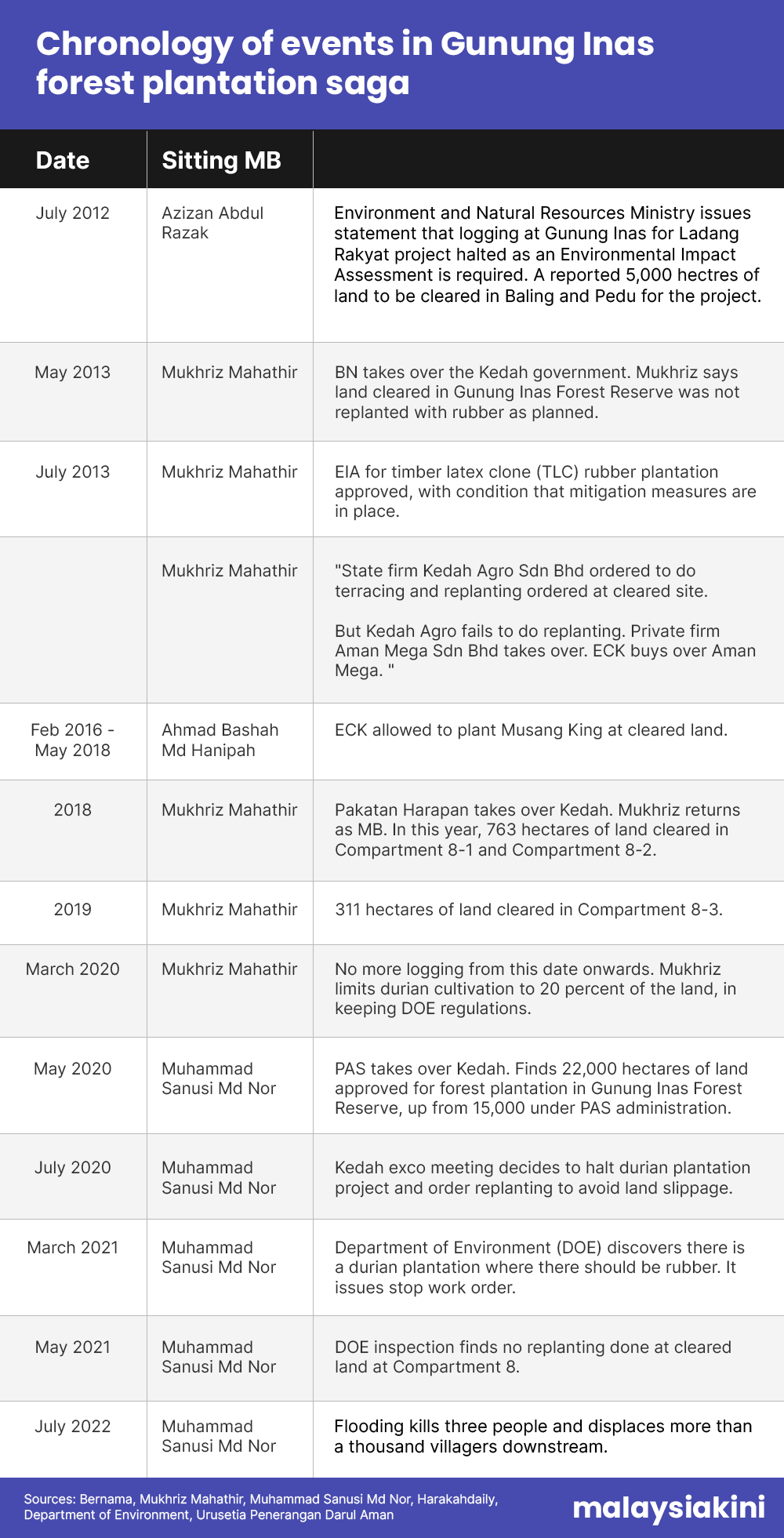
Sometime between 2013 and 2018, the plans changed from planting rubber to Musang King durian.
However, this was a breach of the environmental impact assessment (EIA) approved by the DOE, which said there was never approval granted for a durian plantation.
The DOE said a stop-work order was issued to the plantation when this was discovered, following complaints of smaller floods by local residents.
There has been no active logging or plantation works at the site since 2020, it added.
How big is the durian plantation?
In a video which went viral on social media last year, an unidentified man claimed the durian plantation would be 12,140ha (30,000 acres) in size, the equivalent of 6,880 football fields.
However, Menteri Besar Kedah Incorporated, which owns the project, said the plantation is 600ha in size, of which 52ha was planted with durian saplings.
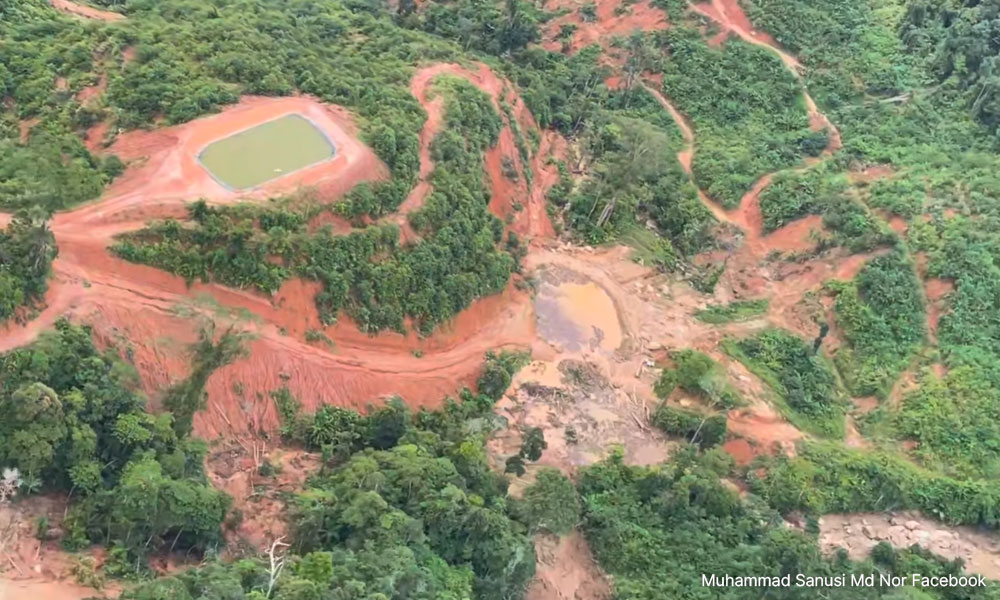
This, it argued, is only eight percent of the total water catchment area, which is also located in Compartment 8 of the forest reserve.
So the plantation is owned by the government?
Yes, it is a joint venture by Menteri Besar Kedah Incorporated and private firm Aman Mega Sdn Bhd.
Through common owners and directors, Aman Mega is linked to mega-developer ECK Development Sdn Bhd, which Kedah appointed to build the multi-billion ringgit Kulim Airport and also took over the RM6.3 billion Penang undersea tunnel project in January.
The DOE and the Kedah menteri besar’s office said they only knew about the durian plantation last year and claimed to have put a stop to it as soon as they found out.
How did a durian plantation owned by the state government slip under the radar?
Kedah has changed governments four times since the reserve was first cleared in 2012 under the PAS government led by the late Azizan Abdul Razak, Bernama reported at the time.
The planned rubber plantation was part of Ladang Rakyat, later renamed Ladang Sejahtera - the PAS government’s version of a poverty alleviation agriculture smallholdings scheme similar to the Federal Land Development Authority (Felda) scheme.
However, the plan hit a snag because it involved clearing more than 500ha of forest reserve, which, according to regulations, required DOE approval through the EIA process.
Even so, in July 2013, approval was granted for a 5,000ha TLC rubber plantation.
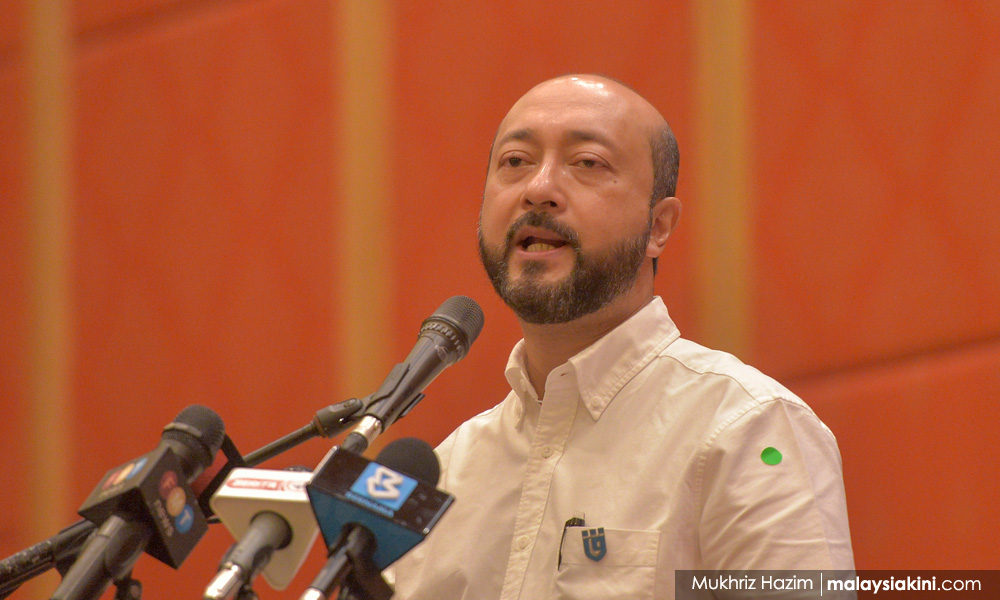
By then, Mukhriz Mahathir had taken over as menteri besar, leading the state government under BN.
According to Mukhriz, when he took over in May 2013, the relevant parts of the Gunung Inas Forest Reserve were already bare after high-value timber was extracted from the virgin forest, but hardly any rubber had been planted.
Because of that, he said he ordered a state agency to conduct terracing on the mountain slope and replanting to avoid land slippage.
State company Kedah Agro Sdn Bhd was appointed to do the replanting but failed.
The task was taken over by private firm Aman Mega, which was later bought over by ECK Development, he said.
Mukhriz’s government was unseated in 2016, with Umno’s Ahmad Bashah Md Hanipah taking over as menteri besar from Feb 4, 2016 to May 10, 2018.
On July 19, Bashah admitted that it was his administration that approved ECK's proposal for a "large scale durian plantation" on the cleared land, against DOE's approval conditions for a forest plantation there.
He said it was done to rehabilitate the land and ensure no further environmental issues and was the "most convincing" proposal among several made taking into account benefits to the state.
After the 2018 general election, Mukhriz returned as the state’s top leader, this time leading a Pakatan Harapan government, until the federal coalition was toppled in a coup in May 2020.
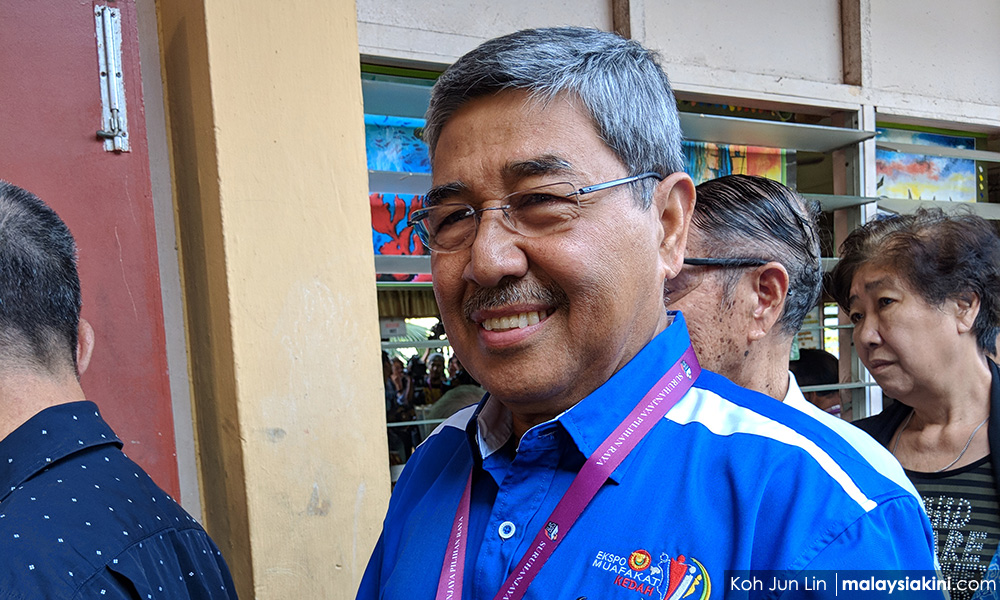
Nevertheless, logging in Compartment 8 continued during Mukhriz’s second stint as menteri besar.
According to state information unit Urusetia Penerangan Darul Aman, the joint venture between MB Kedah Incorporated and Aman Mega completed logging of three sections of Compartment 8 of the forest reserve, amounting to 1,074ha, in 2018 and 2019.
This is the size of 1,466 football fields and 474ha more than what MB Kedah Incorporated said made up the forest plantation.
However, Mukhriz said during his second time as menteri besar, he limited durian cultivation there to only 20 percent.
This, he said, was the limit allowed by the DOE for crops other than TLC and seven other forest tree species, which was specified in the EIA meant for the rubber plantation.
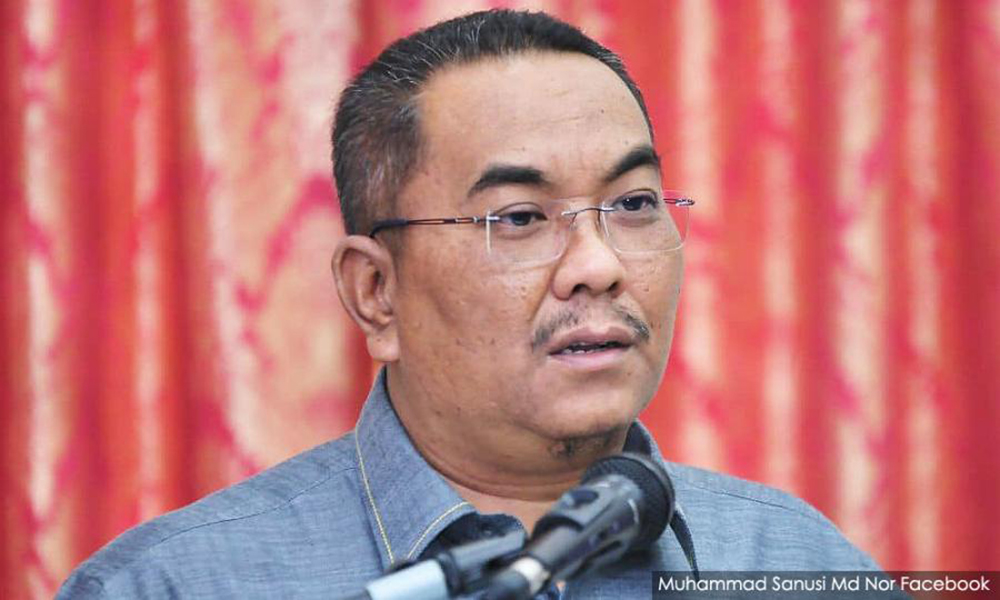
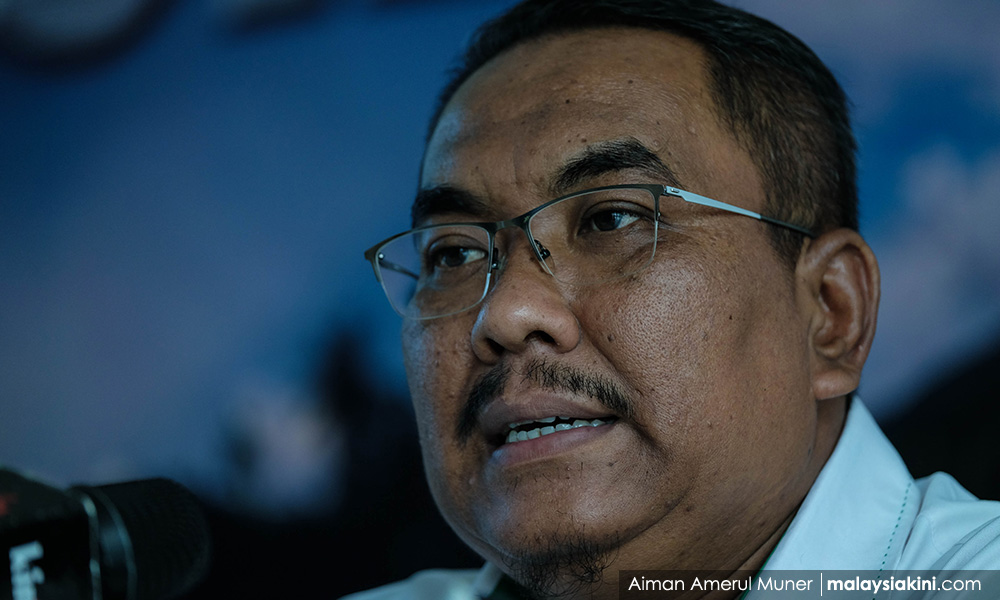
Current Kedah Menteri Besar Muhammad Sanusi Md Nor, who took over in May 2020, said that in July of that year, the state executive council issued a stop-work order to the plantation.
He said they ordered replanting to take place after residents complained of small floods occurring downstream.
He also said he found that the approval for a forest plantation at the Gunung Inas Forest Reserve actually covered 22,000ha - greater than the 15,000ha approved under the earlier PAS administration.
If everything has been halted, is it safe to say the durian plantation has nothing to do with the mud floods?
This is what the authorities initially said - that the floods were not caused by forest clearing upstream, but due to unusual rainfall which caused water to quickly overflow the catchment area.
Environment and Water Ministry secretary-general Zaini Ujang said Meteorological Department satellite data showed that in the hours before the floods, double the usual amount of rain fell in the Gunung Inas catchment area.
Sanusi said catchment ponds at the plantation were also intact, indicating there was no huge runoff from the plantation down to the villages.
He also said replanting works to cover up cleared land had already been done.
Energy and Natural Resources Minister Takiyuddin Hassan said as there was no active logging in the reserve, this shows the floods were unrelated to logging and that it was a “natural disaster”.
However, environmentalists argue that years of forest clearing had impaired the forest’s natural ability to cope with large amounts of rainfall, with rivers being made shallow by silt.
Villagers who have lived there all their lives say they have never experienced floods this bad before the durian plantation, even when it rained for several days non-stop.
Despite authorities' earlier assertions that the plantation had not caused the flood, on July 18, Environment and Water Minister Tuan Ibrahim Tuan Man in Parliament contradicted the MB.
Tuan Ibrahim said preliminary investigations by the ministry found at least one catchment pond in the plantation area was broken, possibly leading to the flooding downstream.
What happens now?
As politicians continue to pass the buck on who is responsible for the massive plantation upstream from the disaster site, recovery works continue.
The prime minister announced RM500,000 relief aid to 112 families affected by the floods, while state agencies, ministries, and state governments have also pledged aid.
Amid the finger-pointing, some quarters have called for a royal commission of inquiry (RCI) to get to the bottom of the issue.
However, Minister in the Prime Minister’s Department (Parliament and Law) Wan Junaidi Tuanku Jaafar rejected this proposal, because an RCI does not have prosecutorial powers.
He said it is better to find ways to bring those responsible to book through existing laws.
Sanusi and Takiyuddin also rejected the RCI proposal, saying existing investigations were sufficient.
Sanusi also said he accepts the Environment and Water Ministry's findings that a catchment pond in the plantation was broken.