
Expert: Satellite images show mining, not prospecting at lanthanide site
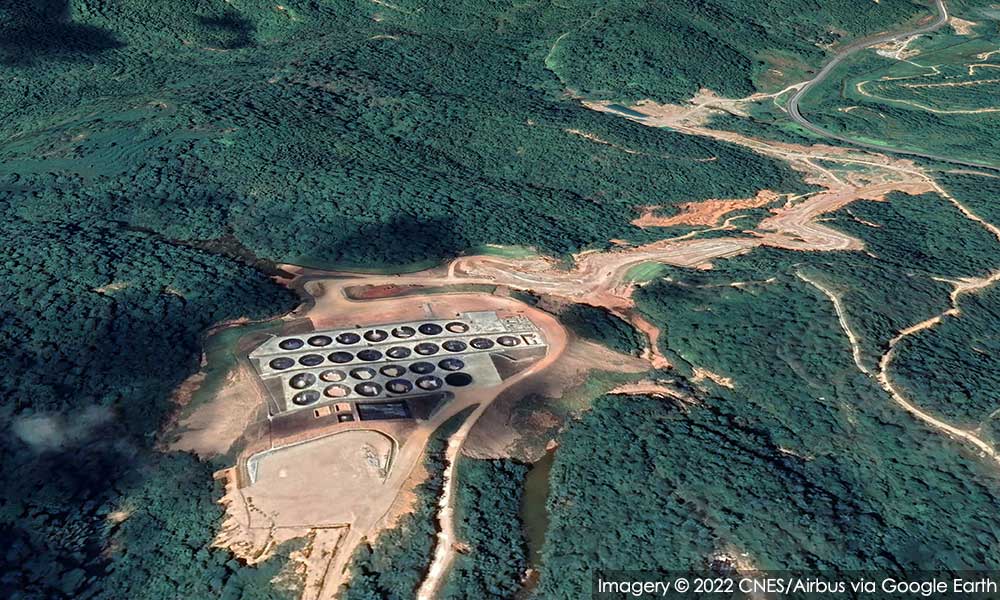
The structures depicted in the satellite imagery of a site in Hulu Perak near Gerik are for mining operations, not for identifying whether there was rare-earth at the site, said environmental and forestry researcher Lim Teck Wyn.
“Your satellite images do indeed show the pregnant solution pond structures.
“These structures look to be...
The structures depicted in the satellite imagery of a site in Hulu Perak near Gerik are for mining operations, not for identifying whether there was rare-earth at the site, said environmental and forestry researcher Lim Teck Wyn.
“Your satellite images do indeed show the pregnant solution pond structures.
“These structures look to be part of the mining operation and not just exploratory holes dug during the prospecting stage,” Lim told Malaysiakini when contacted.
Pregnant solution ponds are used to store chemical solutions in the mining process.
After Malaysiakini reported on the satellite imagery which appeared to show that work had commenced in the area before the project was approved, Perak Menteri Besar Saarani Mohamad denied the matter.

Instead, Saarani said the imagery showed works being carried out to identify whether there was rare earth at the site.
‘No consideration to wildlife’
The Hulu Perak site has been earmarked for the mining of lanthanides, which are 15 chemical elements, commonly known as rare earth, and are used to make electronics.
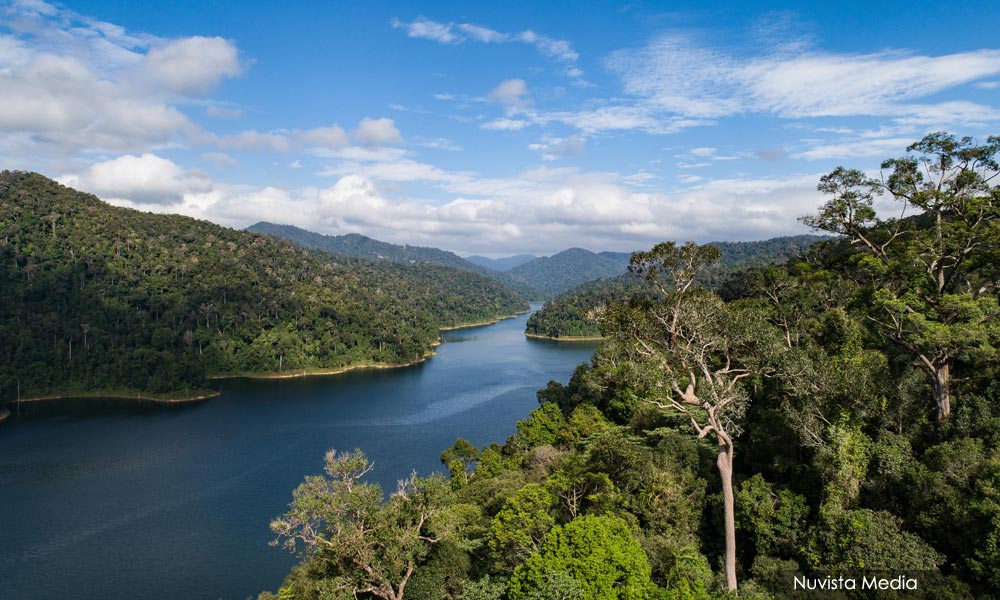
The project is located in an ecological corridor connecting the Kenderong Forest Reserve and Bintang Hijau Forest Reserve, which is home to endangered wildlife including the Malayan tiger.
It is part of the Central Forest Spine (CFS), which is a network of ecological corridors that allow wildlife to move from one forest complex to another.
Saarani had on May 23 this year said the project’s environmental impact assessment (EIA) was approved a week prior.

However, Sahabat Alam Malaysia field officer Meor Razak Meor Abdul Rahman said checks on Google Maps showed that pregnant solution pond structures were erected before the EIA was approved.
Lim said the federal government should consider making a financial deal with the Perak state government to ensure it protects the CFS.
He pointed out that the Bintang Hijau range was one of the last known habitats of Perak’s rhinoceros, which was last seen in the area in the 1990s.
The CFS corridor there remains important for tigers, sun bears and other protected species of wildlife, he added.
“It is a pity that the Perak state government has not taken the impact on wildlife into consideration in this project.
“All projects in CFS corridors should assess their impact on wildlife. The EIA should not be approved without the wildlife component being addressed,” Lim said.