
KINIGUIDE | What is the Bon Odori festival?
KINIGUIDE | The Bon Odori festival originating from Japan has been observed in Malaysia for decades.
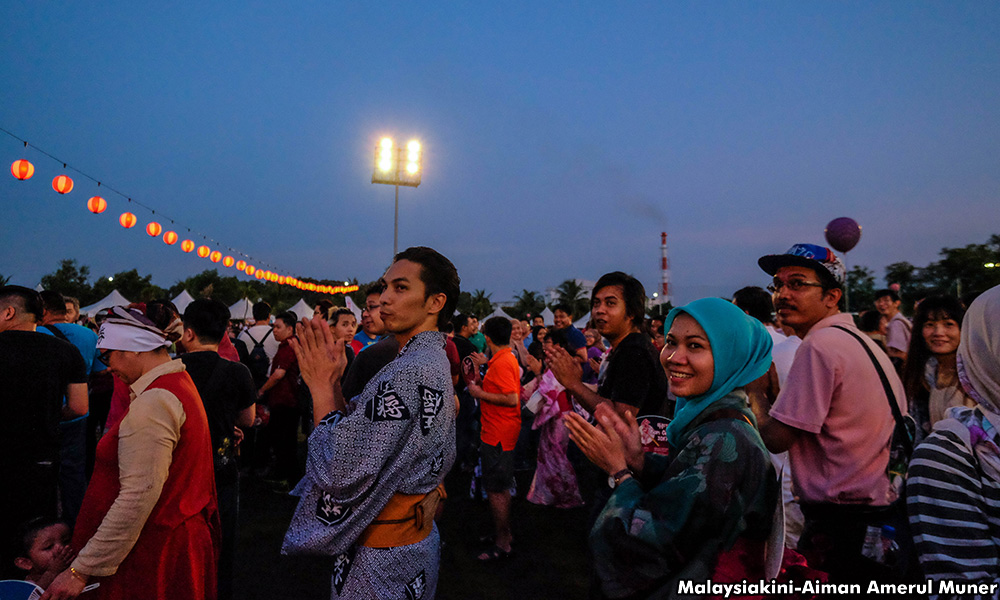
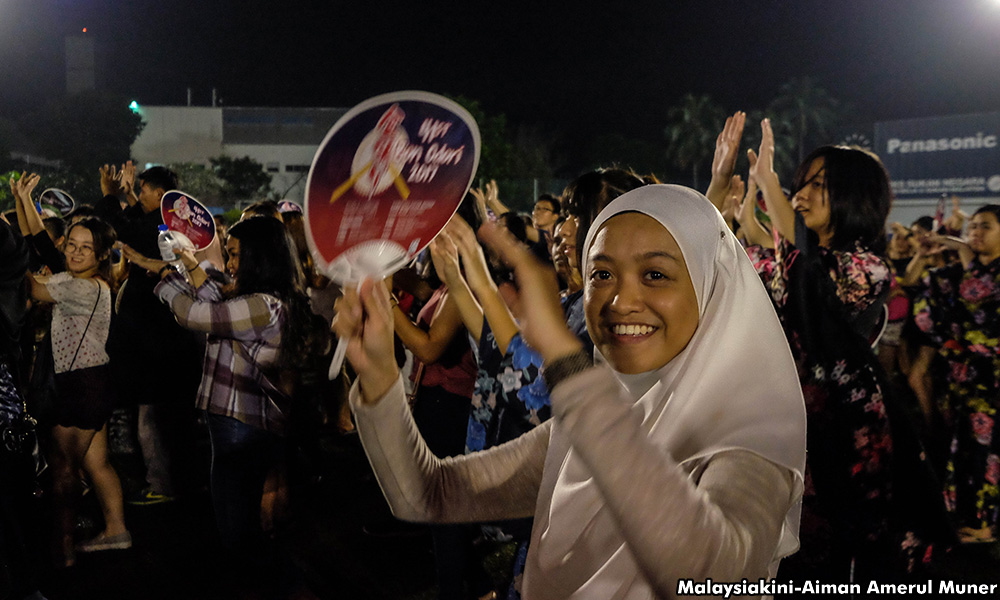
The festival held in Shah Alam alone reportedly drew more than 35,000 Malaysians and Japanese expatriates annually and is one of the largest outside Japan.
This year, however, as the festival prepares to make a post-pandemic comeback, the upcoming celebrations drew headlines after religious authorities told Muslims not to attend.
For this instalment of KiniGuide, Malaysiakini looks back at the roots of the festival and how it has evolved in Malaysia.
What is Bon Odori?
Bon - sometimes known as Obon - is a Japanese Buddhist custom honouring the spirits of one’s ancestors. The spirits are supposed to visit household altars before being sent back during a ritual at the end of the festivities.
It traditionally takes place for three days from the 15th day of the ninth month of the Chinese/Japanese lunar calendars. Quirks in Japan’s transition from the lunar calendar to the Gregorian calendar meant the country’s various regions now observe the celebrations on different dates.
The festival shares the same roots as the Hungry Ghost Festival observed by the Chinese, including Chinese Malaysians.
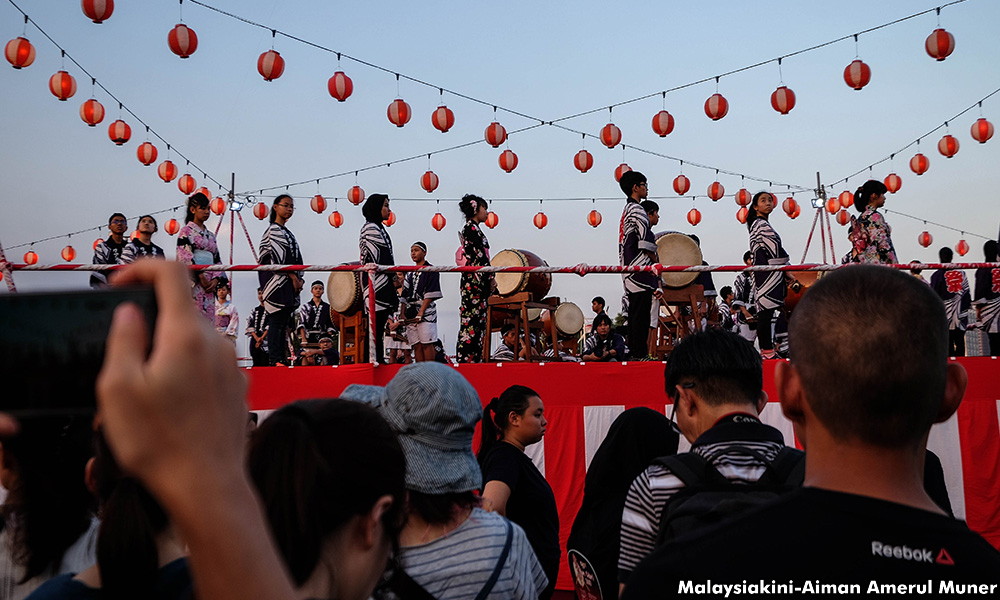
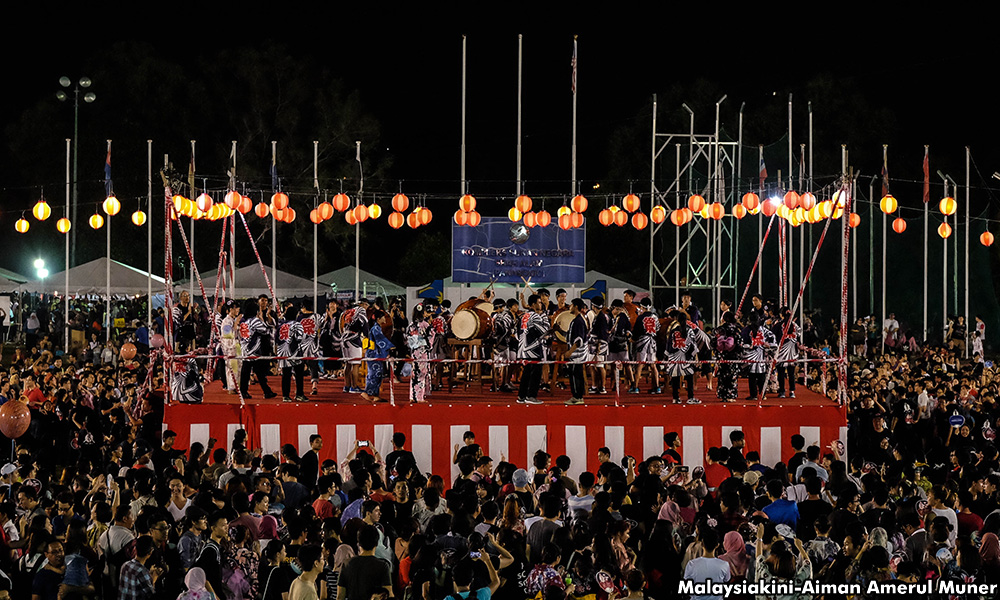
Bon Odori is simply a dance performed during Bon where people usually join in a circle and dance around a central stage (called ‘Yagura’) where music is performed.
Is this still a religious celebration?
In Japan, yes, even though religious elements of the festival (especially for the dance) have been on the wane. Bon Odori is becoming a summer festival instead.
“Originally a solemn ritual for the repose of the souls of their ancestors, the Bon dance grew to take on an entertainment and festive nature over time.
“Today, it has evolved into a variety of unique local festivals, upbeat summer events where people can really enjoy themselves,” according to a 2011 article in Trends in Japan, which is a website run by Japan’s Foreign Affairs Ministry.
How did Bon Odori spread to Malaysia?
According to the Japan Club of Kuala Lumpur’s (JCKL) official website, it began as a small affair in 1977 for Japanese expatriates in Malaysia to immerse their children in Japanese culture.
Today, it has become an annual event open to the public in Penang, Sabah, and Selangor as an occasion for festivities and cultural exchange. The one in Shah Alam is organised by the JCKL, the Japanese School of Kuala Lumpur, and the Japanese Embassy. It is also supported by the Selangor government.
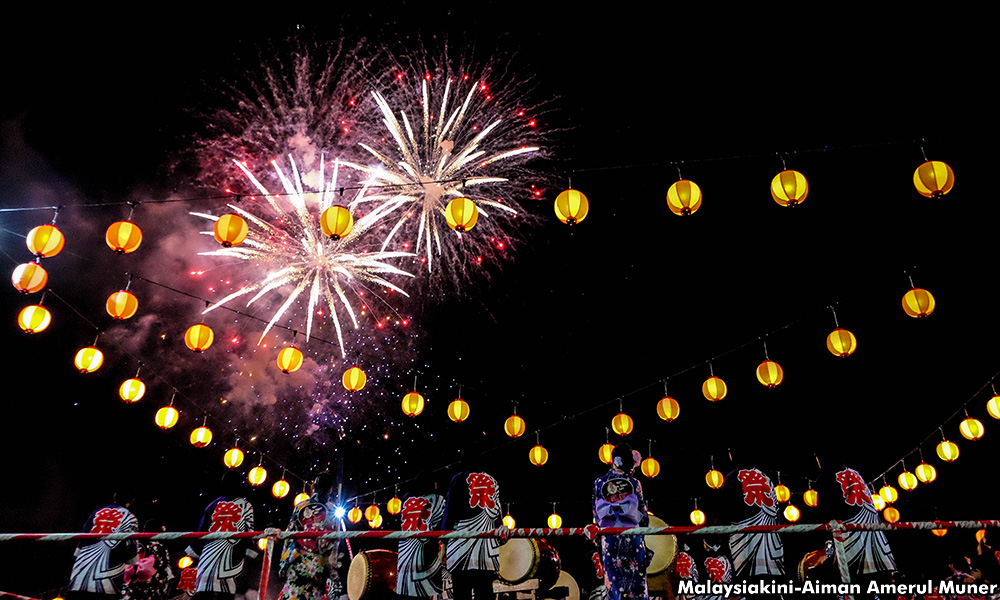
Some Bon rituals, such as the lighting of a large fire at the end of Bon to serve as a guide for the spirits’ departure, are not performed in Malaysia. At least not at the festival.
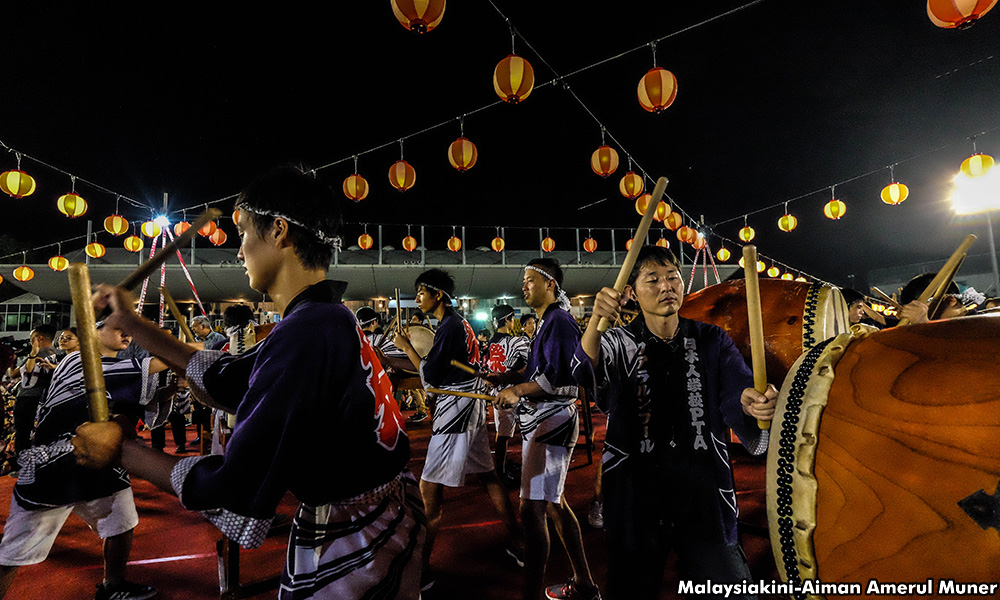
Instead, the main attraction at the festival is the circular dance to music around the Yagura and the stalls around the venue selling Japanese food.
“It offers an opportunity to the local Malaysians to experience a variety of Japanese art, dance, foods and drinks.
“It is also a great opportunity for the Japanese community in Malaysia to be introduced to Malaysian culture through dance performances organised by Tourism Selangor,” said the JCKL in a statement today.
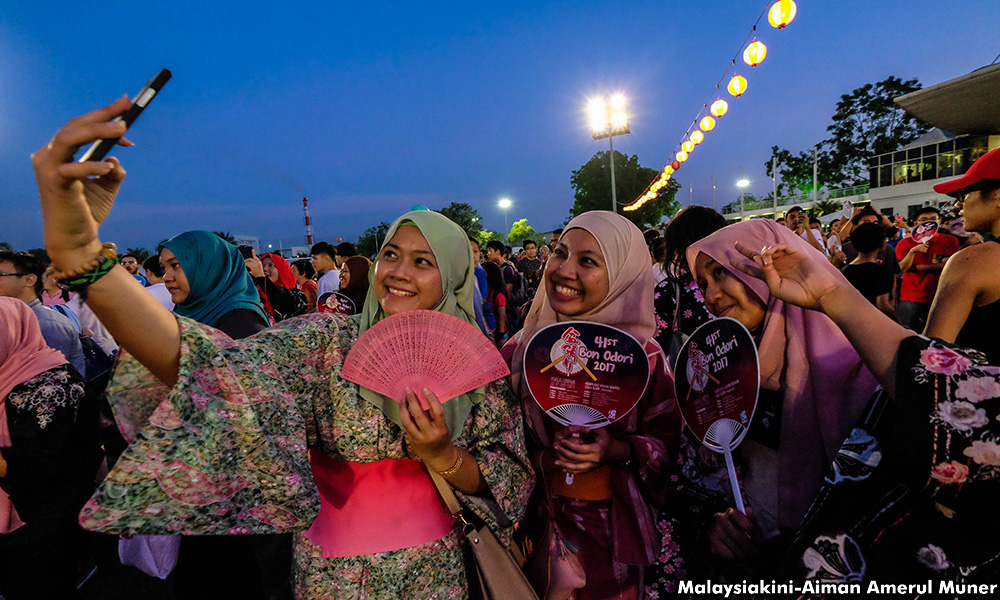
In previous years, many attendees also dressed for the occasion by wearing the yukata – a light cotton clothing for casual occasions such as Bon Odori and bathhouses.
The annual festival has taken a two-year hiatus because of the Covid-19 pandemic but is set to make its comeback on July 16 at Kompleks Sukan Negara in Shah Alam.
What are people saying about Bon Odori?
Religious Affairs Minister Idris Ahmad said research conducted by the Department of Islamic Development Malaysia (Jakim) found Bon Odori to contain influences from non-Islamic religions and told Muslims not to attend.
“Therefore, we are advising the Muslims not to participate in the festival or any other programmes that are against their faith and creed,” Bernama quoted him as saying.

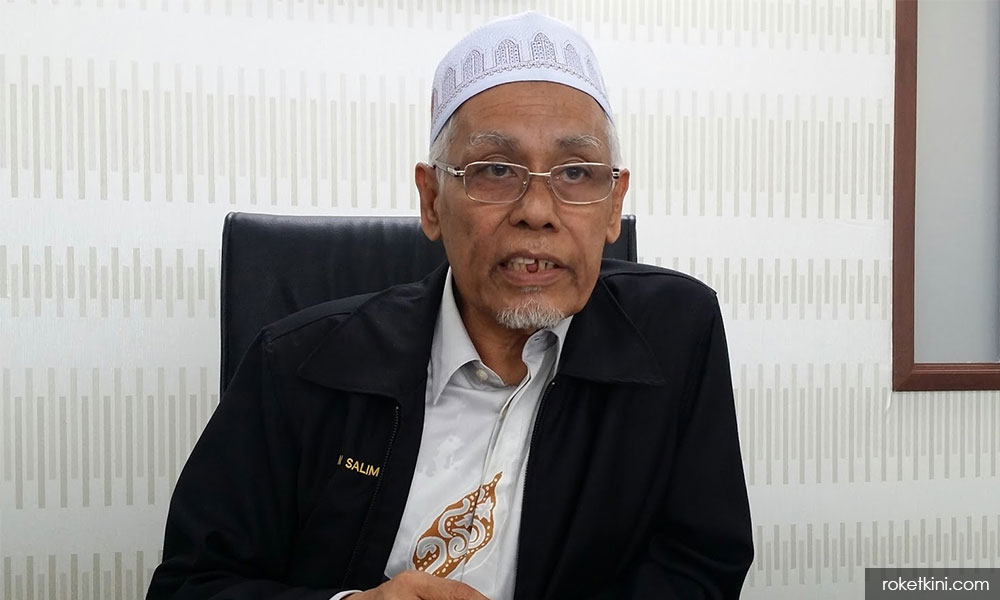
The Penang Mufti Wan Salim Wan Mohd Noor said likewise warned Muslims to avoid the event.
“Since the festival is linked to remembering the souls or spirits of the ancestors, it is feared that it could lead to polytheism. Muslims must always preserve the purity of their Islamic faith.
“Remembering the souls of the ancestors by dancing, worshipping their spirits and others is not encouraged in Islam. In fact, it is feared that they will fall into the sin of polytheism to Allah,” Bernama reported him saying.
Shah Alam City Council (MBSA) councillor Muhammad Shakir Ameer countered that the Bon Odori observed in Malaysia does not contain such religious influences and is more of a cultural and commercial event.
“Bon Odori has been celebrated for more than 30 years in Malaysia. Throughout the years, it has been commercialised and celebrated via commercial or community centres to cater to non-Japanese as well.
“In Malaysia, we have many Manga and anime fans as well through the Japanese influence,” he said, referring to a genre of Japanese comics and cartoons.
He said the event also commemorates Malaysia-Japan relations, as there are many large Japanese investments in Shah Alam by giants such as Panasonic, Sharp, JTI, and Shin-Etsu Chemical, among others.
Human rights lawyer Siti Kasim noted that Muslims typically have no issues with non-Muslims celebrating their festivals.
“The only people confused about Islam is Jakim. Normal everyday Muslims have no problem being together with non-Muslims in their festivals and celebrating them,” she said.
She noted that the festival had been operating for many years.
“I think they’re suffering from some sort of spiritual dissonance. This festival has been going on for years. Why suddenly now? They shouldn’t treat us as if we’re unable to use our own brains.
“Why don’t Jakim just tell the Muslims to go and live in a cave instead? Our government should tell these Jakim people to not butt in people’s business,” she said.
So, will the festival go on?
Yes. Selangor ruler Sharafuddin Idris Shah has told the Selangor Islamic Religious Department (Jais) not to obstruct the event or those who wish to attend. The sultan is the head of Islam in the state.
According to Jais director Mohd Shahzihan Ahmad, the sultan had attended the event in the past and felt Muslims had little to fear from it.
“His Royal Highness (felt that) it was not lawful for any decision or ruling on such a matter to be concluded hurriedly without in-depth studies and scrutiny.
“He was of the view that many cultures were connected with religion but that religion is not necessarily a part of culture.
“He also stressed that practising something is different from witnessing it,” he said.
The sultan also instructed Jais and MBSA officers to attend the event personally next month to better understand it.
Earlier, Selangor menteri besar Amirudin Shari and Penang exco member Yeoh Soon Hin also affirmed that Bon Odori celebrations in their respective states would go on, though the former also said he would consult Jais on the matter.