
Inspired by Jacques Cousteau, Nicolas Pilcher made the sea his life
“From a young age, growing up watching Jacques Cousteau documentaries, the oceans and the marine life that call it home have all fascinated me.
“If anything though, it is the incredible adaptations species have made to live where they live and do what they do. Fish that look like they have feathers. Turtles that...
Founder and executive director of the Sabah-based Marine Research Foundation (MRF) Nicolas J Pilcher was fascinated by everything about the marine world for as long as he can remember.
“From a young age, growing up watching Jacques Cousteau documentaries, the oceans and the marine life that call it home have all fascinated me.
“If anything though, it is the incredible adaptations species have made to live where they live and do what they do. Fish that look like they have feathers. Turtles that have offspring whose genders are determined by temperature and not chromosomes.
“The fact that an octopus is related to a seashell. A million more quirks of nature are found underwater, and every time we answer a question, the response opens up twenty more questions,” Pilcher told Malaysiakini in an interview in conjunction with World Oceans Day.
“How does a turtle navigate across the oceans? Would you believe, by using methods very similar to those used by birds to migrate across the skies, by relying on the earth’s magnetic fields?
“Ok, you say, so now we know that. But then the question arises: so how do they know where they need to go? How does a first time nesting turtle know that that particular place is where she should go to lay eggs? Has she ever been there before?
“Before crawling into the ocean, she was an egg. Under a meter of sand. How does that egg turn into a hatchling that knows how to find the ocean immediately after reaching the beach surface?
“How does it even know what an ocean is? If you have never seen or felt something and you don’t know what it is or looks like or smells like, how do you know where to go to find it?
“Let me tell you, the ocean fascinates me every single day and every single waking minute,” said Pilcher, his enthusiasm bubbling through.
Wanting to save turtles
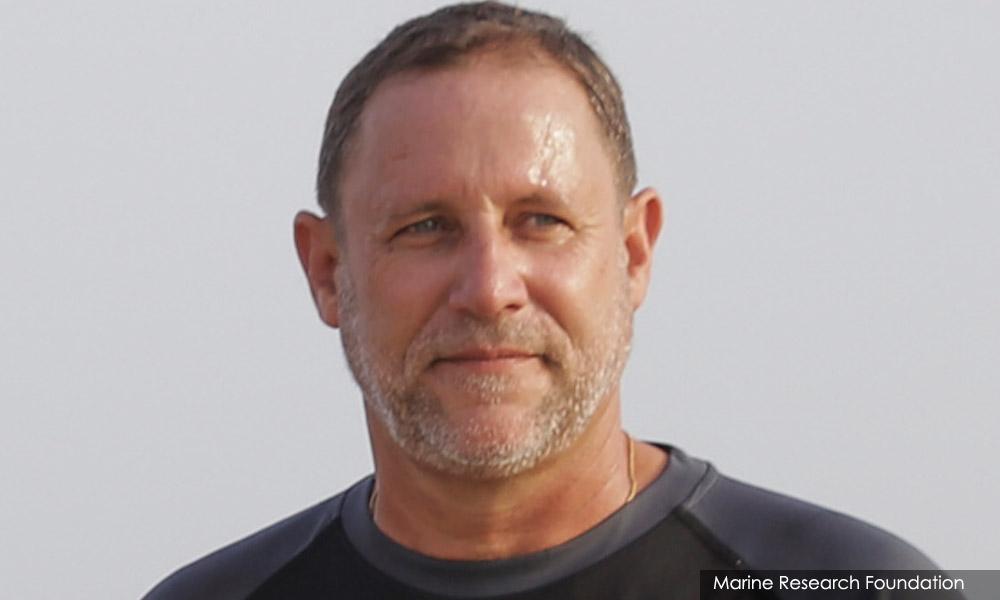
Pilcher, originally from the UK, and his wife established MRF as the first marine-oriented NGO in Malaysia, back in 2004.
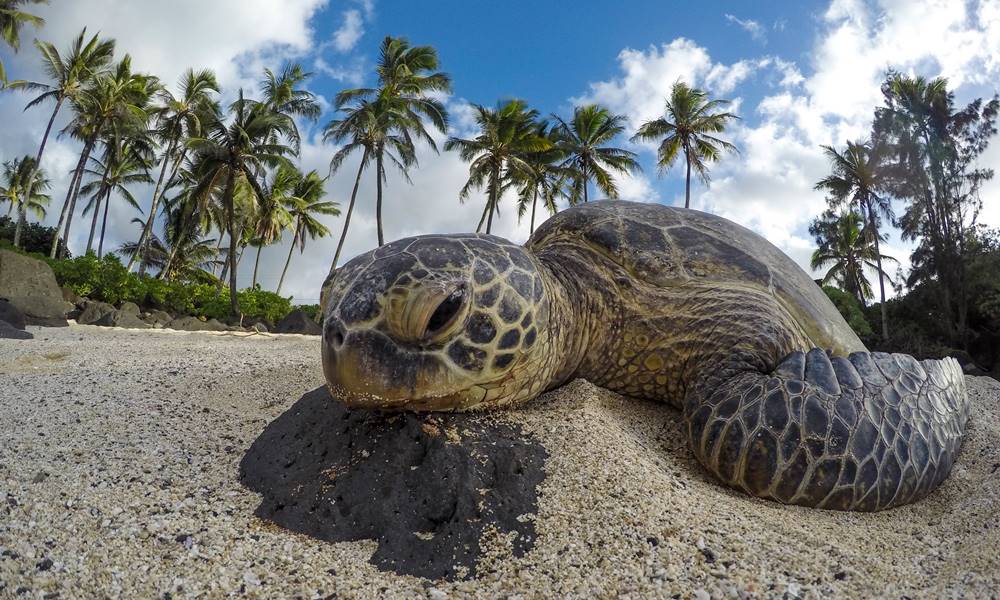
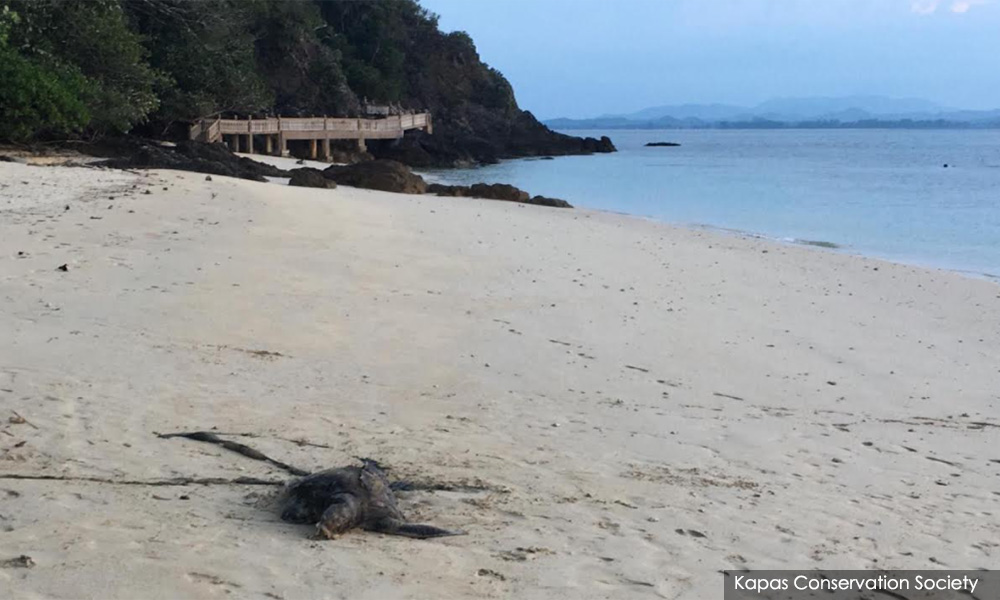
“Our focus initially was all about saving endangered sea turtles. My background is in sea turtle biology, and the more I studied them the more I watched them disappear.
“I got to the point where I figured I could study them until extinction if nothing was done to save them.
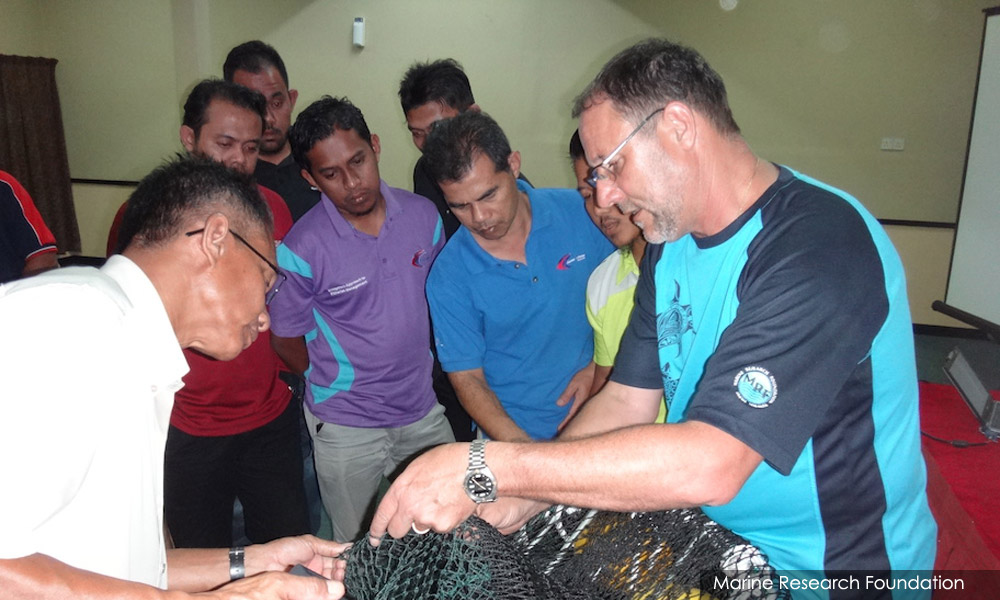
"So I set up MRF, to save turtles, and really to focus attention on the marine world and do what we could to promote marine conservation in Malaysia and overseas. Our flagship project has been introducing Turtle Excluder Devices to Malaysian trawl fisheries.
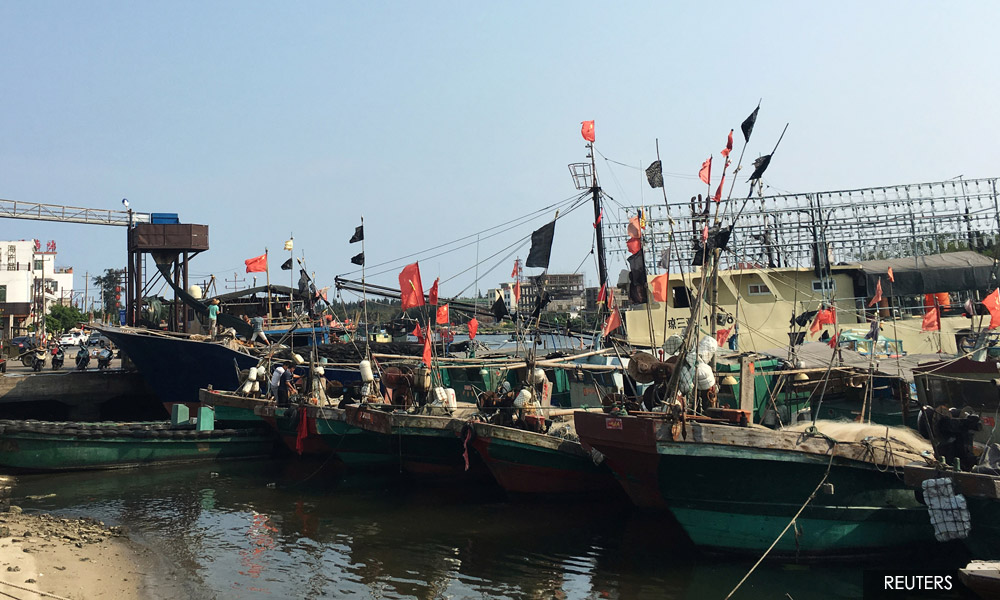
“It is an unfortunate fact that sea turtles like to feed in the very same places that shrimp and commercial fish develop, so when we fish for shrimp, sea turtles are impacted,” he said.
Pilcher said, however, that Malaysia is very adept at protecting sea turtles on land.
“All our key nesting beaches are protected by the Fisheries Department, NGOs, Sabah Parks and Sarawak Forestry Corporation. But very little - and I mean very little - was and is being done at sea.”
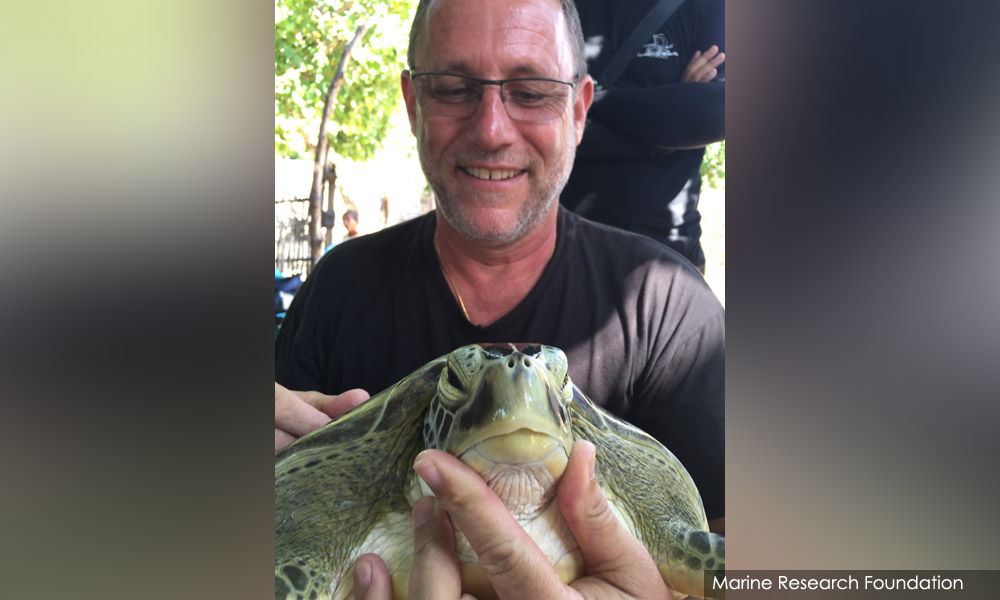
MRF has since expanded its focus to work on the conservation of the dugong, and also endangered sharks and rays.
They have been running a very intensive project to document the mortality of sharks and rays in Sabah so that they can provide conservation options to the Sabah Department of Fisheries.
They are also helping coordinate a five-country dugong conservation project that includes Malaysia, with the local component run by a local NGO called MareCet.
Increase in awareness
Pilcher says there is little understanding of the needs of the ocean. People can understand the dangers of waste being disposed into rivers or what happens when forests are chopped down.
“But ask the average person on the street about marine pollution and the responses are a bit less focused. But I am pleased to say that is changing.
“Major supermarkets are using sea turtles to promote their no-plastic bag policies. Major chains are using sea turtles to cut down on plastic straws. Sea turtles are particularly famous, it seems.”
He said there is also the issue of ghost fishing when a net is discarded at sea and continues to fish indiscriminately for years to come. Or the issue of microplastics in marine species that end up on our dinner plates.
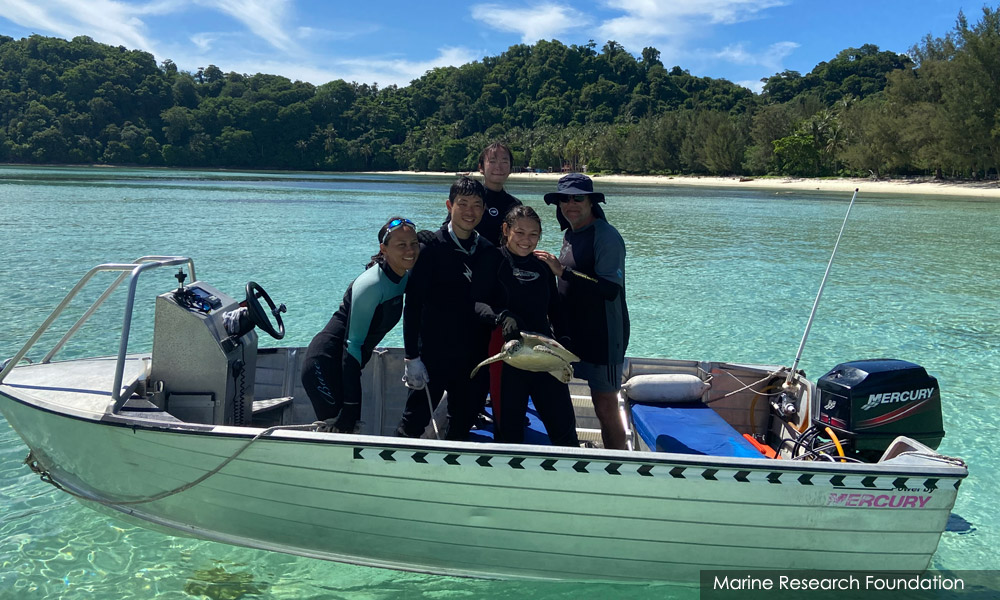
“When I came to Malaysia 30 years ago, the ocean was a place where we just went fishing. Today, many more people understand its importance. Indeed, environmental awareness was nowhere near what it is today.
“And this is reflected in many ways: have you seen how many hybrid cars are on the roads? These cost more than a normal car, but Malaysians are choosing to be more environmentally responsible. I love it.
“I see people getting out of their cars at the supermarket, and picking up their reusable bags to go shopping. I see people using reusable water bottles. All this bodes well for the environment, and eventually the oceans.
“But we have a long way to go, and we should pressure our leaders to see the value of the environment is similar to the value of Bursa Malaysia, or our telecommunication connectivity goals.
“Let’s face it: the oceans produce the majority of the oxygen we breathe. If we can't breathe, there’s not much point in having a smartphone!“ Pilcher points out.
Seas taking a beating
He says that some areas in the seas around Malaysia have been affected tremendously by climate change and pollution and, in some places, barely at all.
“There are some coral reefs on offshore islands that are pristine and are barely impacted by pollution. But closer to shore, where effluents from rivers impact the undersea world, the story is different.
“We need to understand that rivers are the highway to the ocean for pollution and waste. A plastic bag on a street gets blown into a drain by the wind. These drains flow to a small stream. This merges into a large river. This ends up in the ocean.
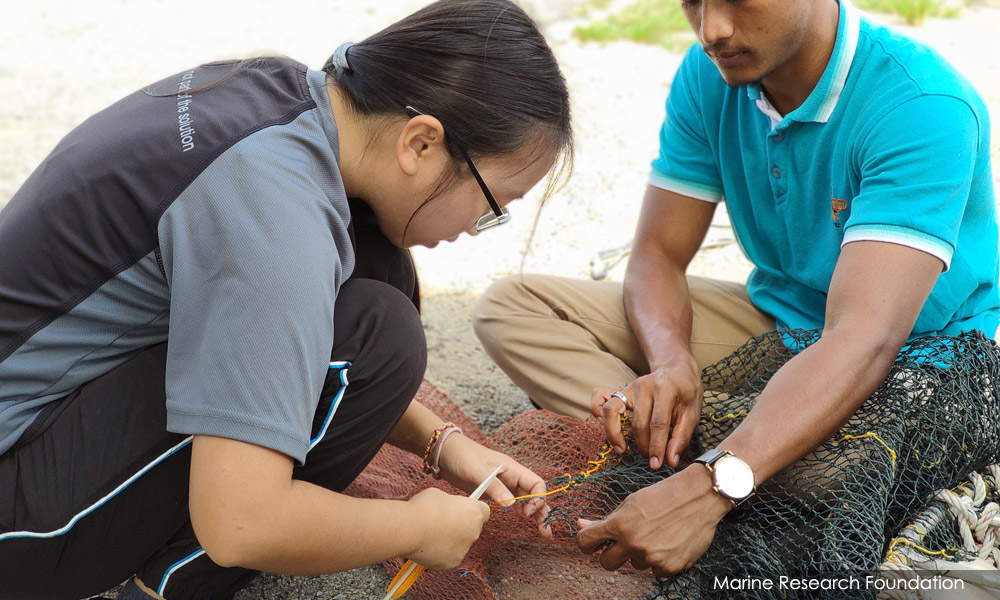
“Climate is also a concern. Global warming has led to a phenomenon called coral bleaching, and this can kill coral colonies and lead to decreases in fisheries and ocean productivity.
“Bleaching occurs when the seas get too warm, and corals lose their live-in neighbours called zooxanthellae,” Pilcher elaborated.
“These are microscopic organisms that use photosynthesis to produce oxygen but also give corals their colour. When they are ejected with water temperatures, corals end up looking bleached.”
Sea turtles, which have temperature-dependent sex determination (warm temperatures lead to more females), are also threatened by climate change.
Government help
Pilcher finds some government officials very helpful when it comes to proving the necessary data.
“Malaysia needs to continue to move forward. We still have the policy to reduce plastics, ban the import of plastic waste, and deal with climate change threats.
“For me, the key issue is seeing policies as important as the environment tied to political decisions. Sure, some decisions may not be palatable to the public today, but we need to think of the future.
“As a very good friend and senior official in the Department of Fisheries Sabah once said to me, ‘We are not doing this for ourselves, we are doing this so our children will still have an ocean to fish, for generations to come.’ I loved that attitude.”
Pilcher explained that controlling fishing is not about telling someone they can’t earn a living. It’s about telling someone that that action needs to be managed so we can all fish tomorrow.
He goes on to explain why it is so important to protect the ocean and its inhabitants.
“Because the oceans provide much of the oxygen we breathe - in many ways, they are our lungs - and also because a massive proportion of our protein intake comes from the ocean.
“Malaysia has one of the world’s highest marine protein consumption rates globally. Imagine life without sambal udang. Or without ikan masak merah.
“The oceans are our food basket - our marine race bowl if you wish - and our oceanic lung. They are as important to us as rainforests and plantations and rice fields.”
RELATED STORY: World Oceans Day: Diving into the importance of marine education