
World Environment Day: Steven Wong's love for reptiles, amphibians
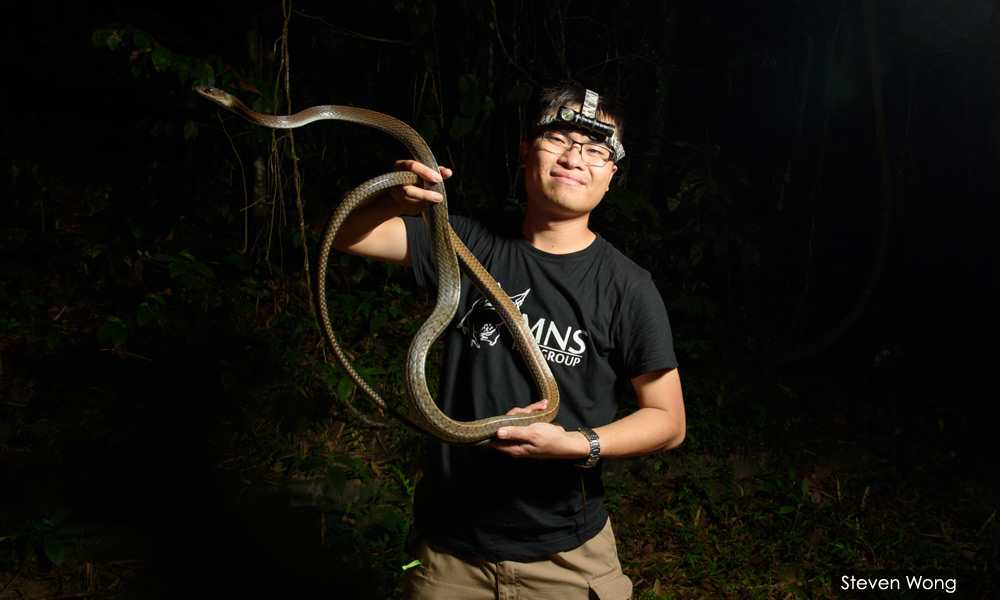
Many have asked Steven Wong about how he became fascinated by reptiles and amphibians. There was a particular moment in his life that sparked awe for these creatures.
"My mother brought home the family's first personal computer, and it came with some software. One of them was Microsoft Dangerous Creatures which was meant for children."
There was even a button you could click for a narrator to read the text.
"It was pretty useful for a four-year-old who was still learning how to speak English," Wong recalled.
He said children like dangerous things and, for him, snakes piqued his interest. The one species that drew him back then was the yellow eyelash pit viper.
"Its whole body is yellow. It has horns protruding just above its eyes which was really cool. I remember thinking, 'Wow! Something like this really exists in the world'," said Wong.
That started his fascination with snakes. At eight, he became a fan of Steve Irwin's "Crocodile Hunter" series on TV.
However, he admits that...
Many have asked Steven Wong about how he became fascinated by reptiles and amphibians. There was a particular moment in his life that sparked awe for these creatures.
"My mother brought home the family's first personal computer, and it came with some software. One of them was Microsoft Dangerous Creatures which was meant for children."
There was even a button you could click for a narrator to read the text.
"It was pretty useful for a four-year-old who was still learning how to speak English," Wong recalled.
He said children like dangerous things and, for him, snakes piqued his interest. The one species that drew him back then was the yellow eyelash pit viper.
"Its whole body is yellow. It has horns protruding just above its eyes which was really cool. I remember thinking, 'Wow! Something like this really exists in the world'," Wong said.
That started his fascination with snakes. At eight, he became a fan of Steve Irwin's "Crocodile Hunter" TV series.
However, he admits that Irwin's free handling (jumping on and grabbing) of creatures such as snakes and crocodiles is frowned upon by the scientific community.
"His infectious passion was exactly what was needed to capture the attention of young viewers like me. I am sure many of his viewers went on to become conservationists, environmentalists, and biologists," Wong surmised.
However, it wasn't until he was studying Environmental Science at Monash University that he learned the skills necessary to go looking for snakes and frogs in the wild.
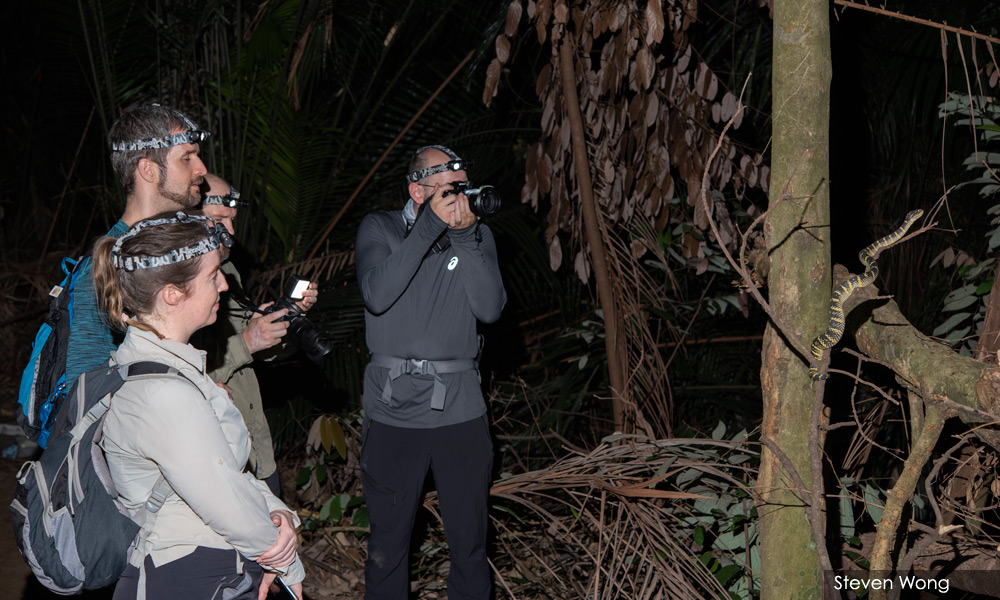
"My dad was a four-wheel (vehicle) driver, and we would go camping at least once a month, sometimes even more. That allowed me the opportunity to use the skills that I learned."
Wong did a lot of self-study to become an expert in this field.
"I worked as an environmental consultant for a private company, and on my weekends, I would volunteer at the Malaysian Nature Society (MNS). I used to run the herpetofauna special interest group.
"I ran it for six years. I then quit my job as a consultant and became a nature guide. So I got into tourism essentially."
Right now, the 32-year-old is training another person to help run the herpetofauna group. Herpetologists are those who study reptiles and amphibians.
Eco-tourism
Some conservationists think eco-tourism may help protect the environment, and Wong believes there is some credence to the idea.
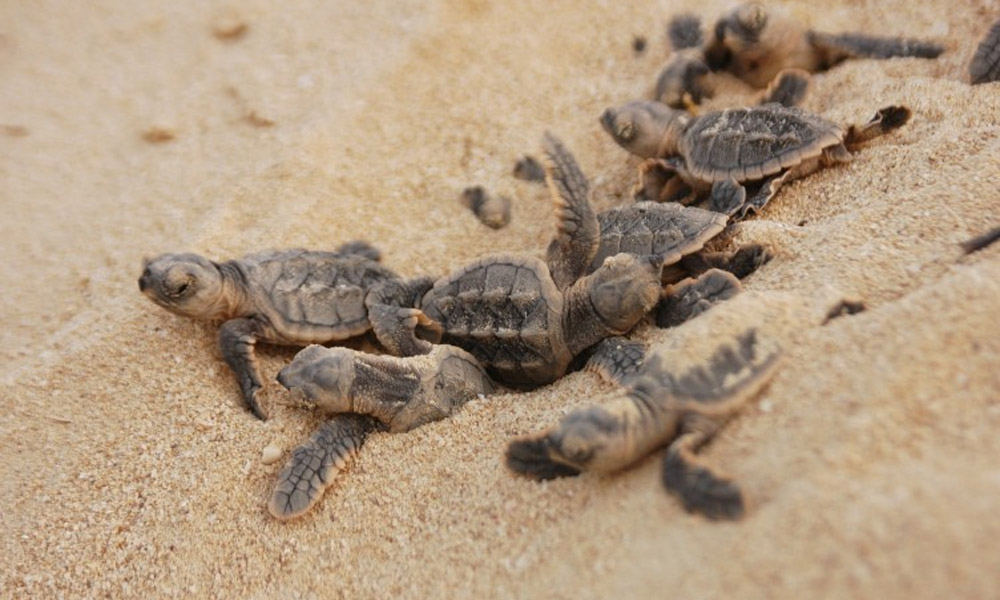
He cites examples in Terengganu and Kelantan, where some fisherfolk are learning not to take turtle eggs from nests to sell.
"They are finding that bringing tourists to see turtles is more lucrative.
"In Malacca and Negeri Sembilan… crocodiles used to be perceived as dangerous, and they ended up being killed. Nowadays, they (are seen) as a potential for crocodile tourism. So there are river cruises to show people crocodiles."
Wong also believes eco-tourism is something that needs to be looked into conscientiously.
"If not implemented carefully, a particular spot might be overexploited. People go to the same spots over and over again," he explained.
He cites the example of Kuala Selangor, where people throng to watch fireflies. Due to so much tourist activity, the density of fireflies has actually gone down, he said.
“I wish to highlight Sungai Timun which is a tributary of Sungai Linggi in Negeri Sembilan. The fisherfolk there are doing a good job running river cruises to see crocodiles. There are fireflies to be seen there as well.
"So instead of everyone going to Kuala Selangor, people should think about going to Sungai Timun, which is severely underrated. The fireflies density there is just as good as it was in Kuala Selangor in its hey-days," he added.
Where is the love?
When it comes to saving wildlife, there are creatures who find more love from society than others.
Tigers, elephants, orangutans, and cuddly creatures seem to get people riled up when they find out their numbers are dwindling and their habitat slowly disappearing.
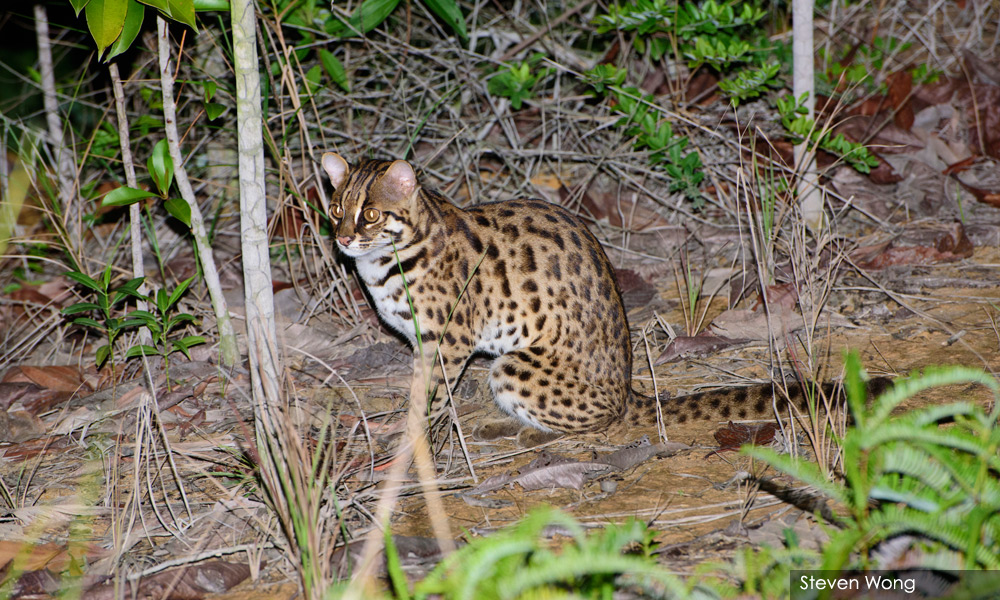
However, the moment frogs and snakes are mentioned, one will probably be met with silence or shrieks.
What people don't realise is that reptiles and amphibians play a vital role in the ecosystem and help maintain the delicate predator and prey balance.
"It is not just laypersons, but conservationists as well. They tend to highlight the megafauna and cuddly creatures. These majestic creatures that people want to support. In a way, it is strategic.
"For conservationists, we want to protect a large landscape, and if megafauna is found in that landscape, it will perhaps lend credence to the whole landscape being protected.
"At the same time, I wish there was more done for reptiles and amphibians. There are not many people who like them or care for them," Wong said.
"What I do with my nature guiding, which is on a very small scale, if I can convince one person in my tour of 10 people to care more about snakes and not freak out whenever they see snakes on their next hike or not kill snakes when they see one near their house, then I think that is already a change.
"It might be a small win, but it is a win, and I take pride in that," he reflected.
He said when doing conservation work, it is hard to know how much of an impact you have on the masses. But if he can change one person's mindset, it makes him happy.
Human incursion
As a person who takes people out to the jungles, Wong can see first-hand the impact of logging and cash crop cultivation.
"It is hard to say if there is an overall impact throughout Peninsular Malaysia, but site-specific ones are very, very prominent. One of the places I used to go to a lot in my early 20s was Semenyih, Sungai Langat specifically.
"This was my dad's favourite camping spot. He would go there all the time. Over time, it became more and more popular. It wasn't just him and his four-wheel driving buddies. It was ATV (all-terrain vehicle) people, motocross people, as well as regular hikers.
"Oil palm plantations are moving closer and closer to the hutan lipur (recreational forests) in the past five, six years. I noticed a decline in reptiles in that area, especially snakes. In the past, it was very easy for us to find five to seven snakes a night.
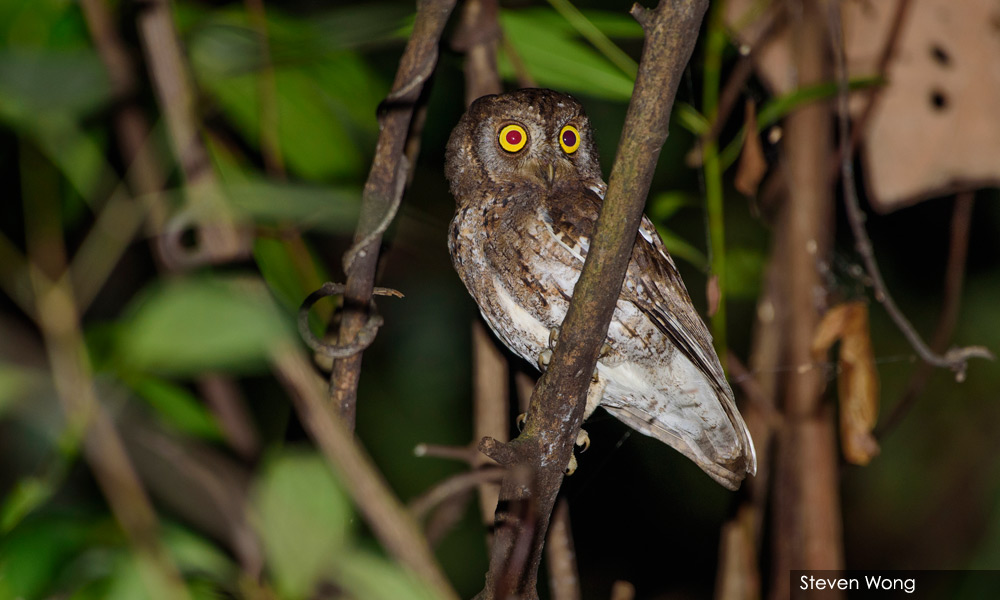
"Nowadays, we can't find any snakes whatsoever. We used to see rare frogs in those areas, but now we only see the common ones that you can see outside your homes or parks. It is rather demoralising," Wong added.
He said even the flora is affected. The trails are much wider than before, and there are fewer native forests.
"There are more grasses, not native species, and types of plants that grow quickly.
"You can see the ecology being affected by it. You can see more common disturbance resistance species like the common toad and tree frogs. I like them, but they are indicating that this place has been disturbed.
"If there are fewer reptiles and amphibians in that area, there are fewer predators that can sustain themselves in that environment,” he said.
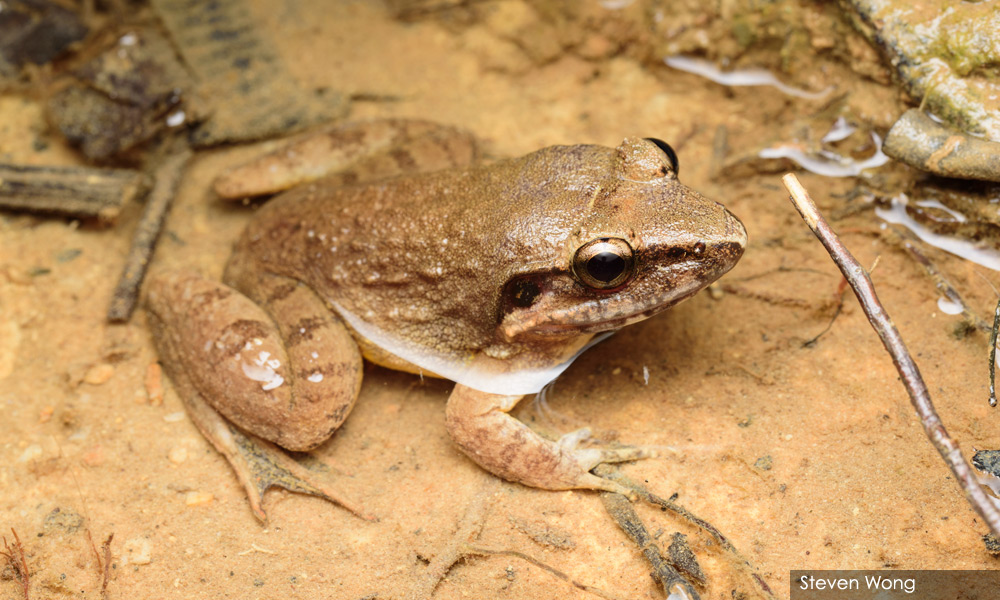
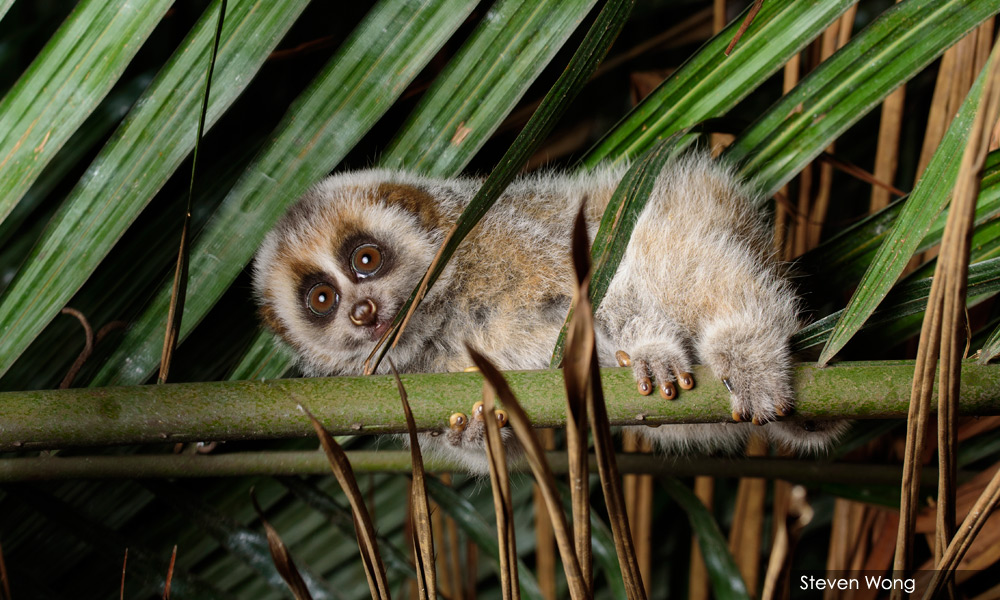
"In the past, we could see a lot of musang (civets) in those areas. They eat small animals like frogs, squirrels, and lizards. We also used to see slow loris all the time, but we don't see them as much (now)," he added.
Wong said the animals may not have been able to sustain themselves in this patch of land in Semenyih and hence moved deeper into the jungle.
With the natural flora gone, the land is being covered by grass and fast-growing species of plants which are typically found in abundance on barren land.
Making a difference
As for making his concerns heard, Wong said: "Although I am well versed in biodiversity, I still have a lot to learn in advocacy. I have plenty to learn about governance.
"I had a dialogue recently with some members of NGOs, and one of them, Kennedy Michael, highlighted that since many people are not taking Form Six, they don't know anything about governance and how the government operates.
"A lot of people are oblivious about this, and they don't know how to protest effectively. They don't know how our laws work and how to fight back."
Wong thinks a two-pronged approach is needed.
"In the past, we were told about individual action – if everyone recycles and takes care of their environment, the world will change. That is not true.
"Top-down action starting from governments and large corporations can make a big difference. One person can recycle their whole life, but a big corporation can undo all that in a single day.
"We need a government that cares about the environment and has the political will to make the changes at the top," he stressed.
Wong said that for now, this important issue is not being discussed enough.
The public must convince politicians that the environment is an important issue and needs to be given priority, he added.