
KINIGUIDE | How does climate change cause floods?
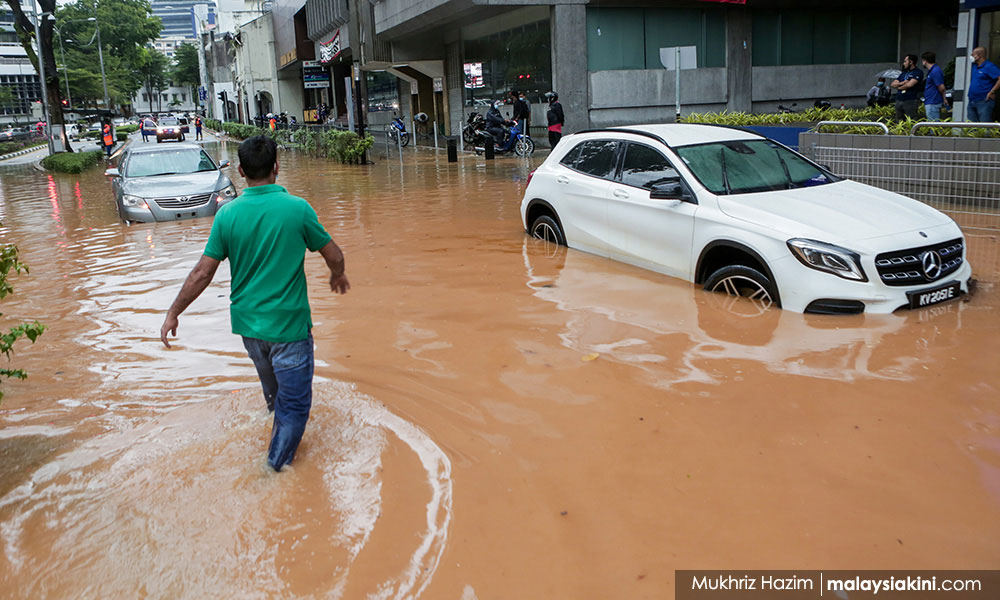
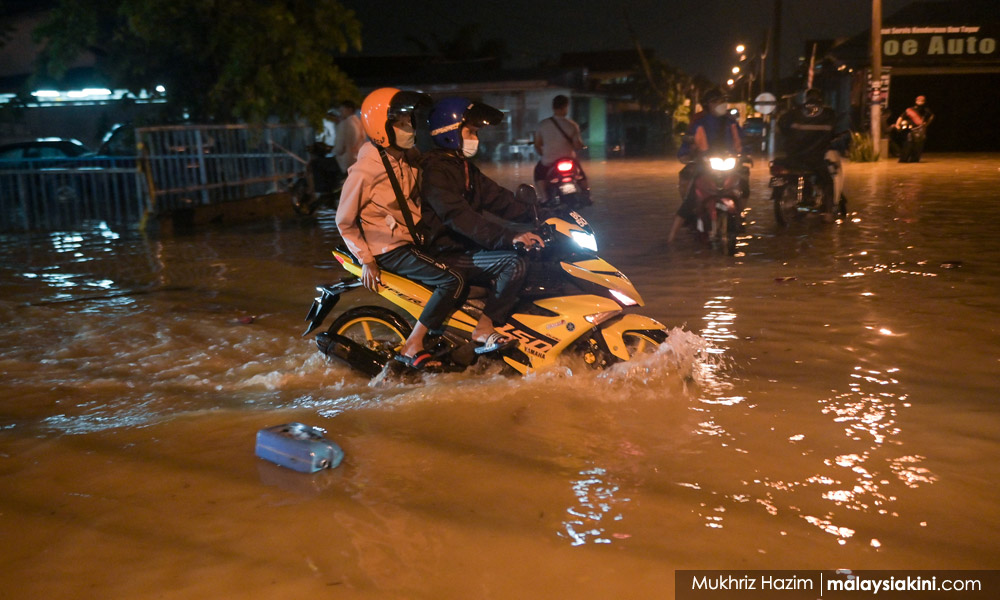
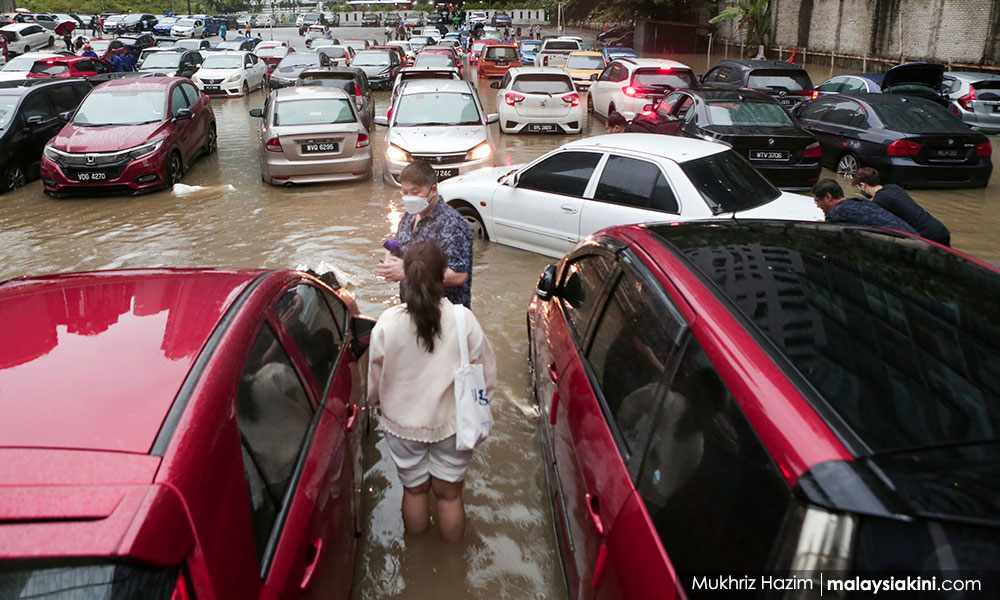
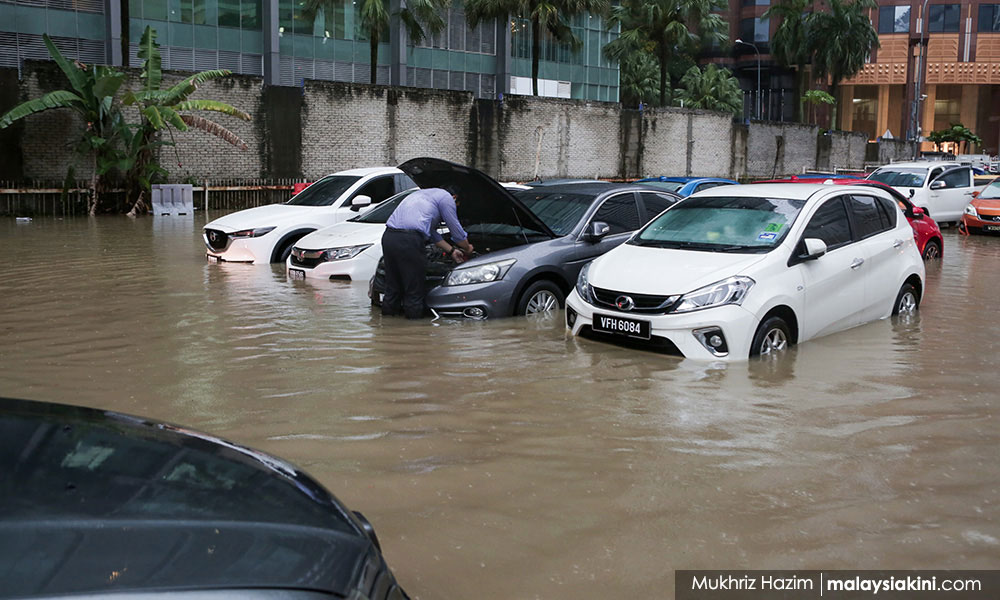
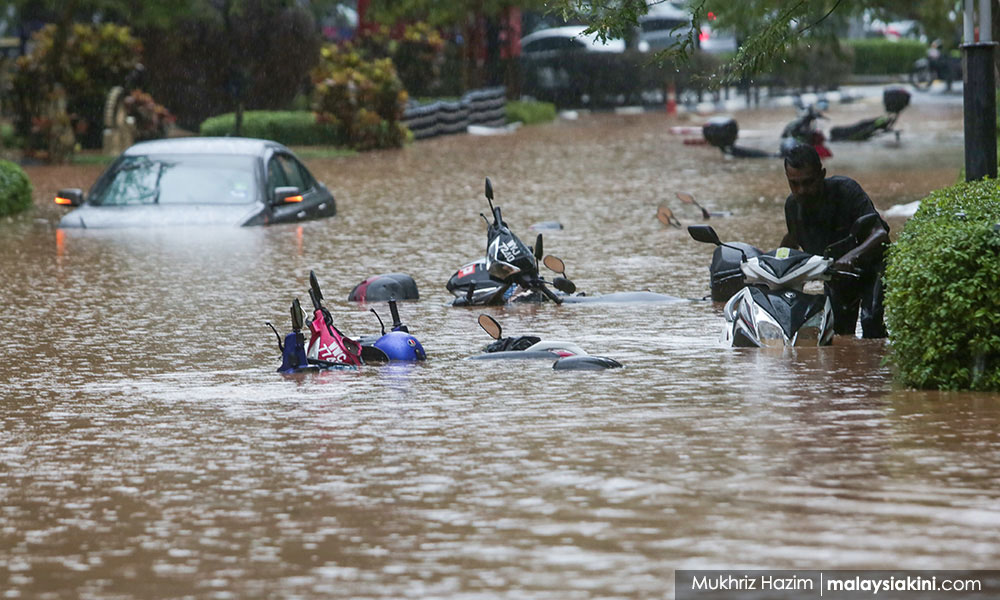
KINIGUIDE | Flooding in the Klang Valley yesterday was among many recent events prompting Malaysians to wake up to the effects of climate change.
But if global warming is about the rise in temperatures, shouldn't it cause droughts instead of more floods?
Here's a breakdown of how it is all related.
What is climate change?
The Intergovernmental Panel on Climate Change (IPCC) defines climate change as changes in the atmospheric temperature over a longer period of time, typically more than a decade.
It may be due to natural processes or a combination of that with human activities.
Since the 1800s, human activities like the burning of fossil fuels have been the driver of climate change.
This activity generates greenhouse gas emissions, which trap heat around the earth, raising the temperature.
Has Malaysia experienced rising temperatures?
Yes.
According to data gathered by the United Nations, Malaysia's average surface temperature increased between 0.14 to 0.25 degrees Celcius per decade between 1970 to 2013.
Malaysia's average temperature has been on an upward trajectory since 1964, when it was 24.93°C. By 2020, the average temperature was 26.05°C, about a degree warmer.
A Khazanah Malaysia think tank, Think City, showed how cities bear the brunt in a study.
For example, the average temperature in Ipoh rose 6.75°C between 1998 to 2019, while Johor Bahru's surface temperature rose 6.7°C between 2005 to 2018.
The Kuala Lumpur city centre, meanwhile, experienced a 1.64°C rise between 1989 and 2019.
The think tank said this is likely due to the urban heat island effect, a phenomenon where materials used in cities like concrete and bitumen absorb and re-emit the sun's heat more than natural landscapes.
So it's getting hotter - but what does that have to do with floods?
Typically, one would expect droughts in the face of rising temperatures.
While heat waves and droughts are among the effects of climate change, a rise in temperature also causes more rainfall in localised areas.
This is because warmer temperature causes more water to evaporate from the land and oceans and changes the rainfall patterns.
It is estimated that the atmosphere holds seven percent more moisture for every 1°C rise.
As more moisture is held by the atmosphere, subsequent rainfall is more intense, leading to flooding.
Changes in temperature also affect monsoon weather systems, which controls the distribution of rainfall.
This means rainfall is less predictable and may come in large bouts, causing floods in one area and withheld in longer periods elsewhere, causing drought.
Is this what happened in the Klang Valley yesterday?
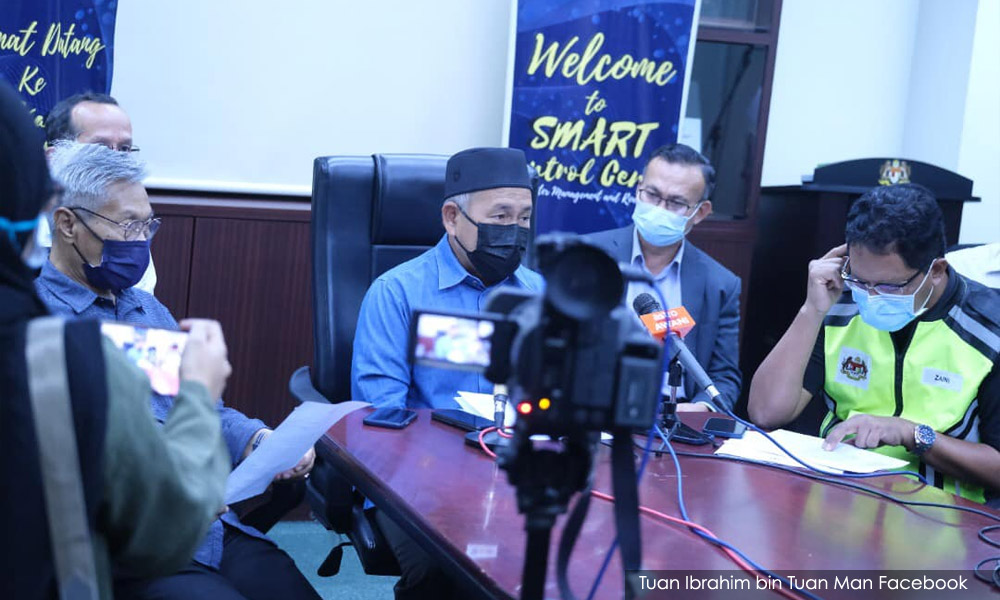
According to Environment Minister Tuan Ibrahim Tuan Man, two weather stations in Kuala Lumpur recorded 106.5mm and 155mm of rain in a span of just two hours.
This is about half of what usually falls in a month.
The extraordinary rainfall meant river banks overflowed, and existing drainage systems could not cope.
Did it happen suddenly?
Not exactly. Various studies have shown that average hourly rainfall trends in Peninsular Malaysia have been rising since the mid-1970s.
Meteorological Department data shows a 13 percent increase in average yearly rainfall in Peninsular Malaysia from 2013 to 2017.

Should we expect more of this?
Unfortunately, yes.
Modelling by the Meteorological Department shows that Malaysia could experience a temperature rise of 0.7°C to 2.6°C in the next few decades.
This could lead to changes in rainfall of 30 percent less in some months and 30 percent more in other periods of the year.
According to a report by the Asian Development Bank, modelling using various greenhouse gas concentration scenarios shows an increase in populations exposed to floods in the future.
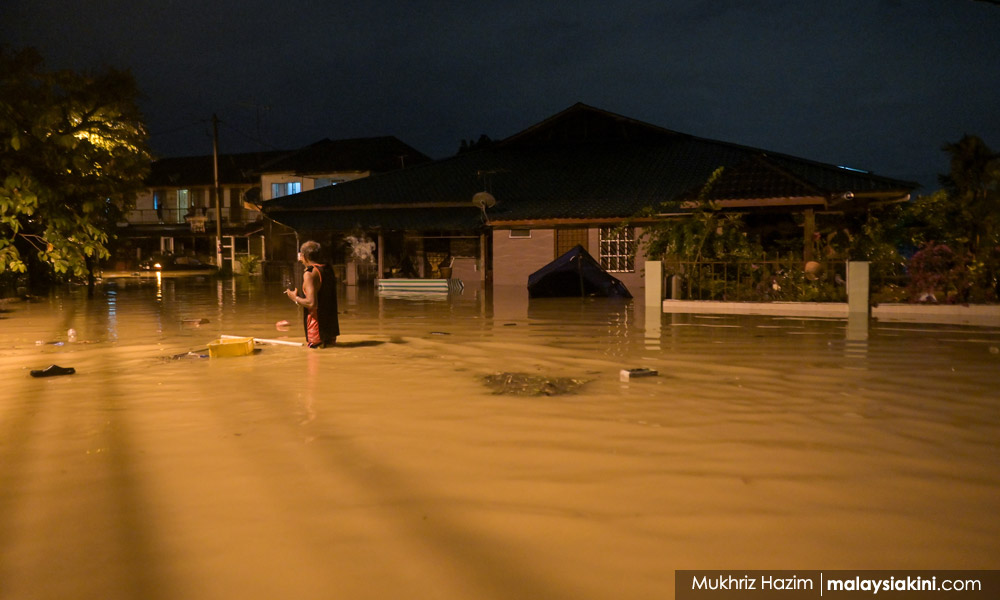
Under the RCP8.5 scenario, an additional 70,000 people would be affected by flood in Malaysia in 2030, with damages rising by US$1.8 billion (RM7.53 billion).
RCP8.5 refers to a scenario where emissions continue to rise without intervention, in other words, the worst-case climate change scenario.
On average, a total of 175,502 people are projected to be exposed to extreme flooding in 2035 to 2044, the report states.
This is a jump of about 40 percent more than those exposed to extreme floods in the period of 1971 to 2004.
What is the government doing?
Last year, the government established a Climate Change Action Council (MyCAC), which is tasked to set policy direction on climate change mitigation.
Among them was a plan to reduce greenhouse emissions by 165 million tonnes of carbon dioxide and decrease fuel expenditure by RM150 billion.
But what is the government doing about the floods?
Yesterday, Tuan Ibrahim said his ministry had requested RM393 billion for long-term flood mitigation measures.
He earlier told Parliament these measures, which include building embankments and dykes, would be implemented over 50 years.
RM13.4 million has also been set aside to upgrade the drainage system in the Klang district, which was the worst hit in the December 2021 floods, he said.
He also said future development projects would include flood mitigation measures, which would be made mandatory in an upcoming bill on climate change.