
Pfizer, AstraZeneca booster intervals shortened to 3 months
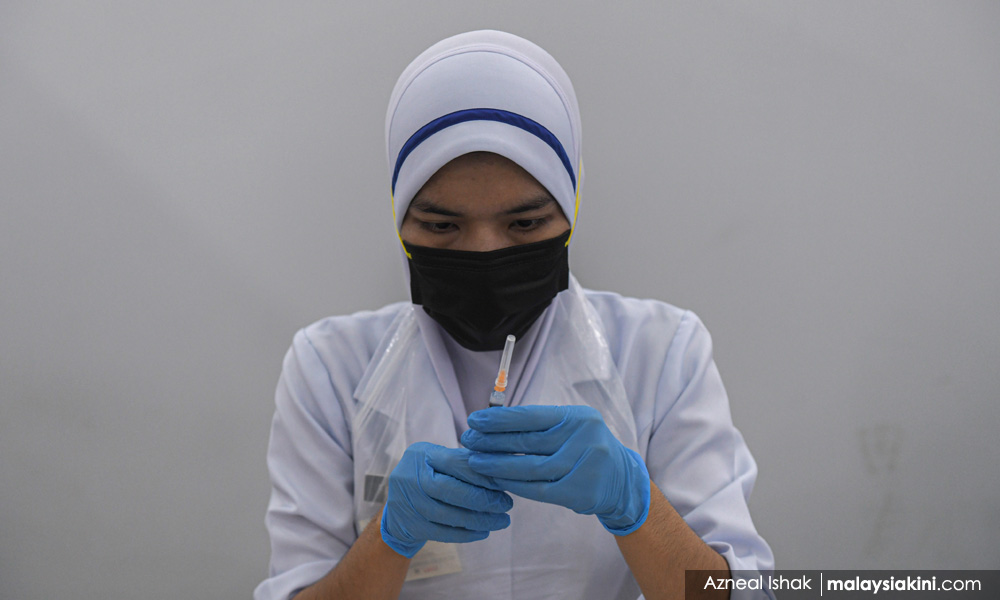
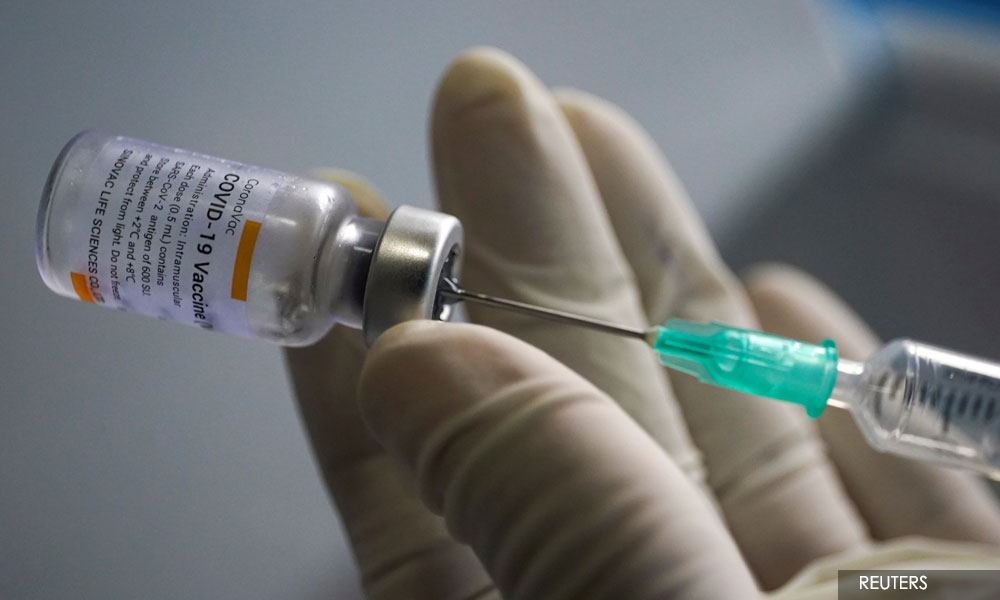
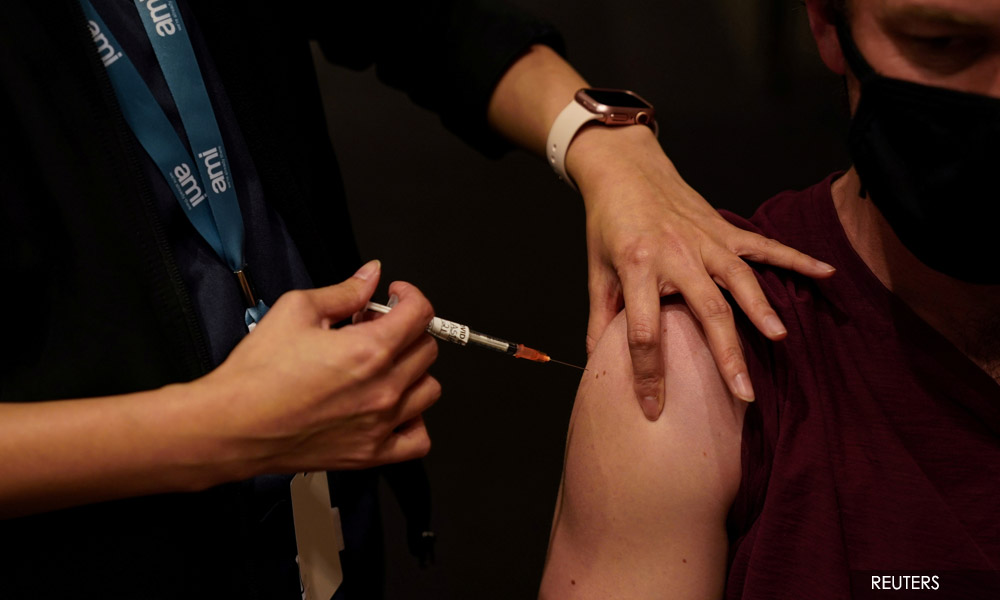
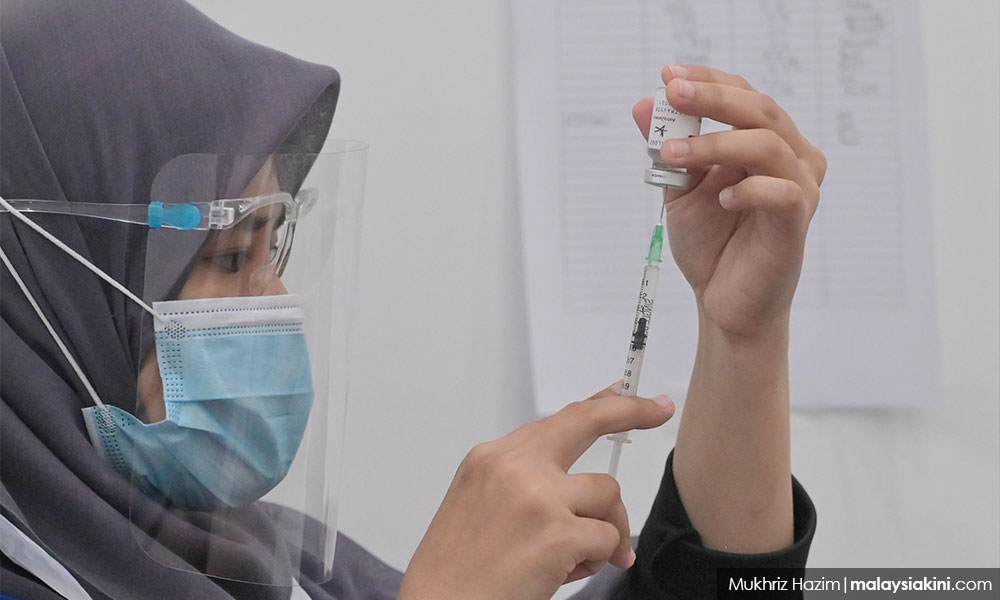
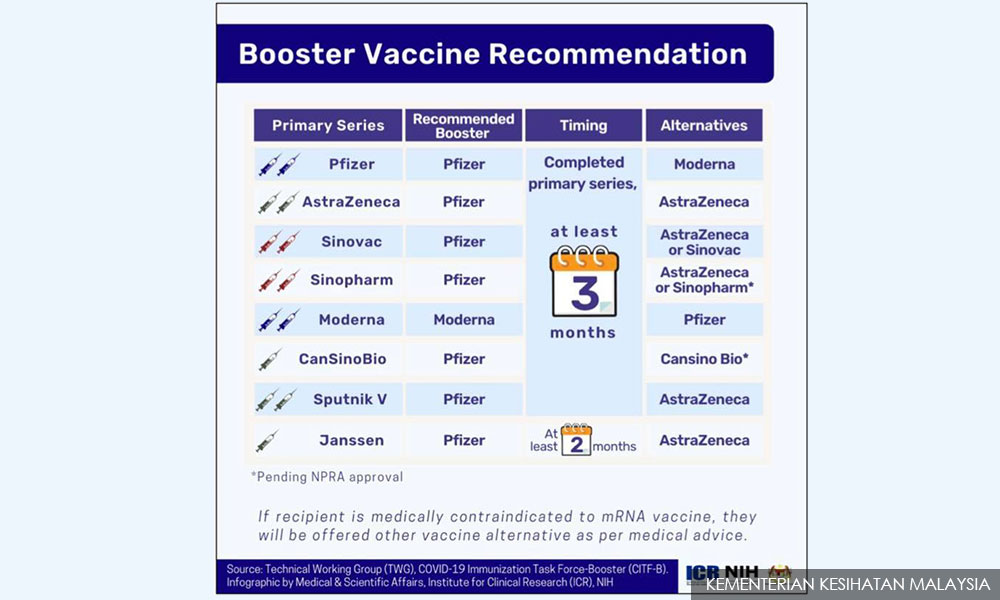
The booster interval for recipients of Pfizer and AstraZeneca Covid-19 vaccines will be shortened to three months compared to six months before, the Health Ministry announced today, in a move that would make more people eligible for a booster shot ahead of the looming possibility of an Omicron wave.
Health Minister Khairy Jamaluddin said the government is ramping up the rollout of the booster shots, which will entail the reinstruction of mega vaccine administration centres. Most Malaysian adults eligible for a booster shot are expected to receive the vaccine in the coming January and February...
The booster interval for recipients of Pfizer and AstraZeneca Covid-19 vaccines will be shortened to three months compared to six months before, the Health Ministry announced today, in a move that would make more people eligible for a booster shot ahead of the looming possibility of an Omicron wave.
The move follows similar measures taken by health authorities in the UK, Germany, Canada, and other countries in response to the spread of the Omicron variant.
Health Minister Khairy Jamaluddin said the government is ramping up the rollout of the booster shots, which will entail the reinstruction of mega vaccine administration centres. Most Malaysian adults eligible for a booster shot are expected to receive the vaccine in the coming January and February.
“We will give appointments based on priority according to age de-escalation and accounting for the health condition. Priority will be given to those with comorbidities and so on,” he said in a press conference in Putrajaya today.
In a statement later, the ministry said the booster interval for the Moderna and CanSino vaccines have also been shortened from six months to three.
The three-month interval for those who received the Sinovac and Sinopharm vaccines remains unchanged, as well as the two-month interval for the Johnson & Johnson vaccine.
Khairy said the latest data in the variant shows that compared to earlier Covid-19 variants, the Omicron variant has higher transmissibility, binds itself more strongly to host cells, and is more capable of evading antibodies elicited by vaccines or natural infections.
At the same time, data gathered over the last three weeks show that a booster shot may increase protection against an Omicron variant infection.
He also cited preliminary findings of a UK study involving 21 million booster dose recipients, which he said provided “very convincing” safety data of the vaccines.
No serious side effects in Sarawak booster rollout
The minister also announced preliminary findings for the booster rollout in Sarawak, where 53.5 percent of its adult population has already received the booster shot compared to the national figure of 23.8 percent.
The state had been prioritised for the initial vaccine rollout as well as the subsequent booster shots, at least in part in anticipation of the looming state election that concluded on Dec 18.
Khairy said case numbers have fallen from 776 cases per week two months ago to 208, while the number of Covid-19 deaths has fallen from 497 in October to 24 this month up to Dec 28.
Intensive care unit (ICU) cases have fallen from 99 cases on Nov 5 to just 11 on Dec 26, with no signs of increase following the recent Sarawak election.
Most Sarawakians had received the Sinovac vaccine for their primary vaccination, but for the booster shot, Khairy said 85 percent received the Pfizer vaccine instead.
“This shows that the use of the Pfizer vaccine as a heterologous booster is highly effective. Apart from that, there have been no cases of serious adverse events following immunisation reported, showing that the use of the vaccine is safe,” the minister said.
Last resort: Sinovac
Khairy said the Pfizer vaccine - and in some cases, the AstraZeneca vaccine - remains the preferred vaccine for booster shots, because data shows it to be much more effective than a Sinovac booster.
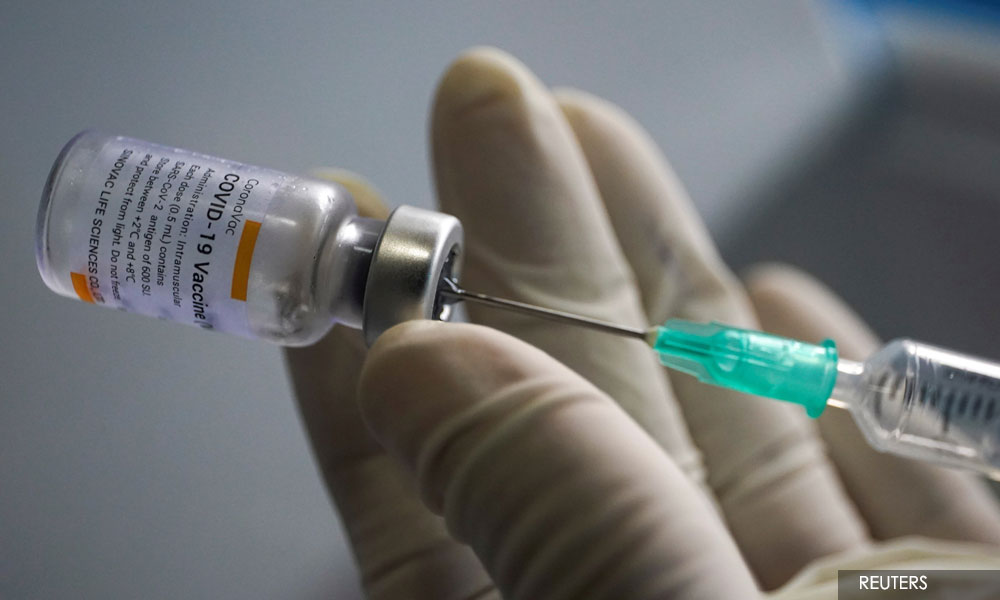
For the government’s National Covid-19 Immunisation Program (NIP), the Sinovac booster will only be available to those contraindicated against receiving the other two vaccines.
“Contraindication means they have an allergy, or their doctor has recommended that they receive the Sinovac booster for health reasons. Only then we will give it through the NIP.
“They can opt to receive the Sinovac vaccine through the private market since it is sold there, but the Health Ministry’s recommendation is: First choice – Pfizer. Second choice – AstraZeneca. Sinovac, only if you are contraindicated against Pfizer and AstraZeneca.
“It is a very clear advisory that we recommend the Pfizer or the AstraZeneca vaccine for your booster shot,” the minister added.
More possible Omicron cases
On another matter, Khary said the Institute for Medical Research has detected another 306 possible cases of the Omicron variant, this time among 366 Covid-19 samples taken from travellers arriving between Dec 21 and 25.
The cases were detected through PCR genotyping assays, and are pending confirmation through whole-genome sequencing. Details of the cases will be announced once the cases have been confirmed, he added.
A PCR genotypic assay is a type of PCR test that can detect the presence or absence of certain mutations, which can be used to infer the Covid-19 variant present in a swab sample.
So far, the Omicron variant case in Kuching announced on Dec 24 remains the only confirmed local transmission of the variant in Malaysia.