
Freedom of expression came under attack amid political unrest - Suaram
Freedom of expression had suffered a major setback in Malaysia as the government had used nationwide emergency and anti-fake news ordinance to stifle dissidents amid political unrest, asserted Suara Rakyat Malaysia (Suaram).
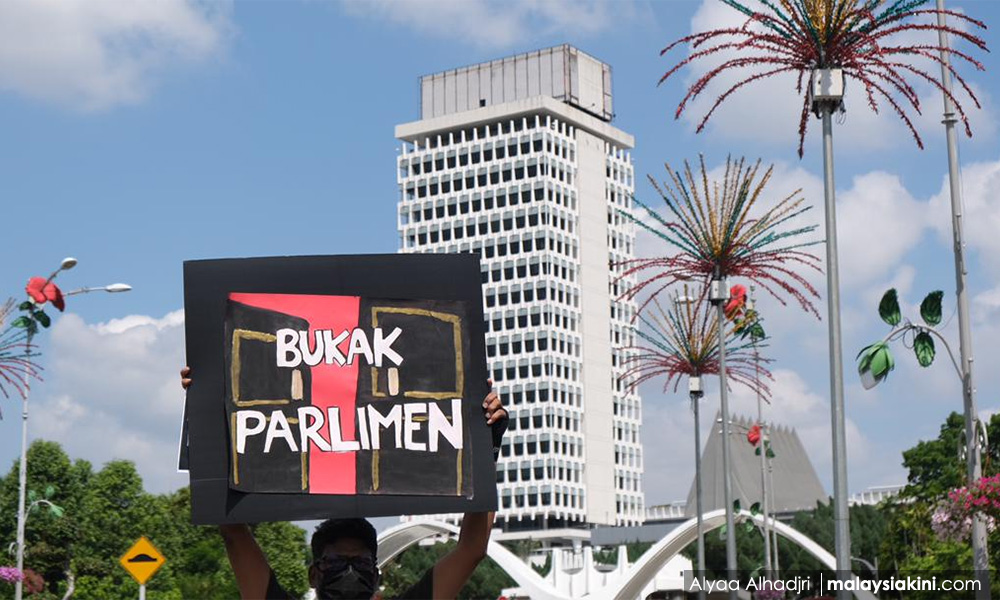
"The nationwide emergency declared to curb the Covid-19 pandemic was seen as a political move by the then prime minister Muhyiddin Yassin to suspend Parliament when his parliamentary support was on the brink of collapse," said executive director Sevan Doraisamy.
"Thus, throughout much of the year, the government managed to govern without any parliamentary scrutiny from Jan 12 to Aug 1," he said during the launch...
Freedom of expression had suffered a major setback in Malaysia as the government had used nationwide emergency and anti-fake news ordinance to stifle dissidents amid political unrest, asserted Suara Rakyat Malaysia (Suaram).
"The nationwide emergency declared to curb the Covid-19 pandemic was seen as a political move by the then prime minister Muhyiddin Yassin to suspend Parliament when his parliamentary support was on the brink of collapse," said executive director Sevan Doraisamy (above).
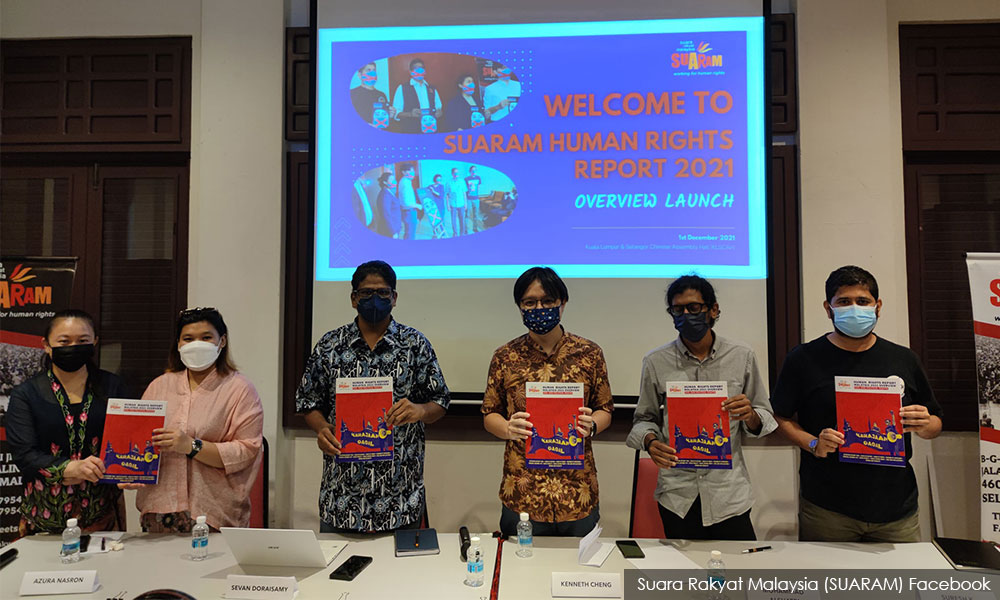
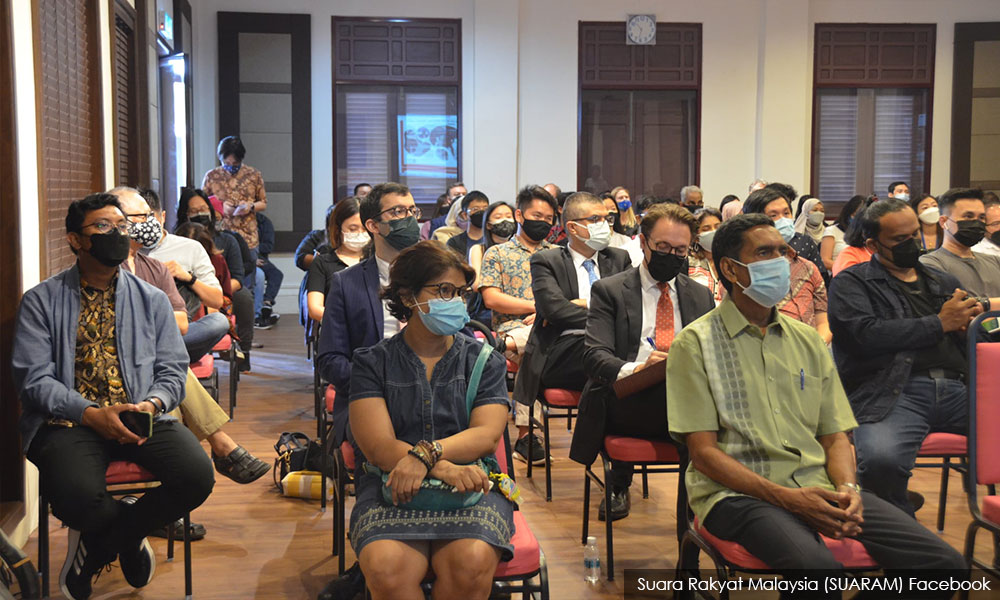
"Thus, throughout much of the year, the government managed to govern without any parliamentary scrutiny from Jan 12 to Aug 1," he said during the launch of Suaram's 'Human Rights Report 2021 Overview' today.
"There was little change in Malaysia's human rights situation this year as compared to 2020 except that the government was seen to be further clamping down on freedom of expression and assembly to stifle dissent as the country’s political instability worsened."
Concerns were raised against the use of the anti-fake news ordinance during the emergency as Parliament could not exercise its oversight role, he said.
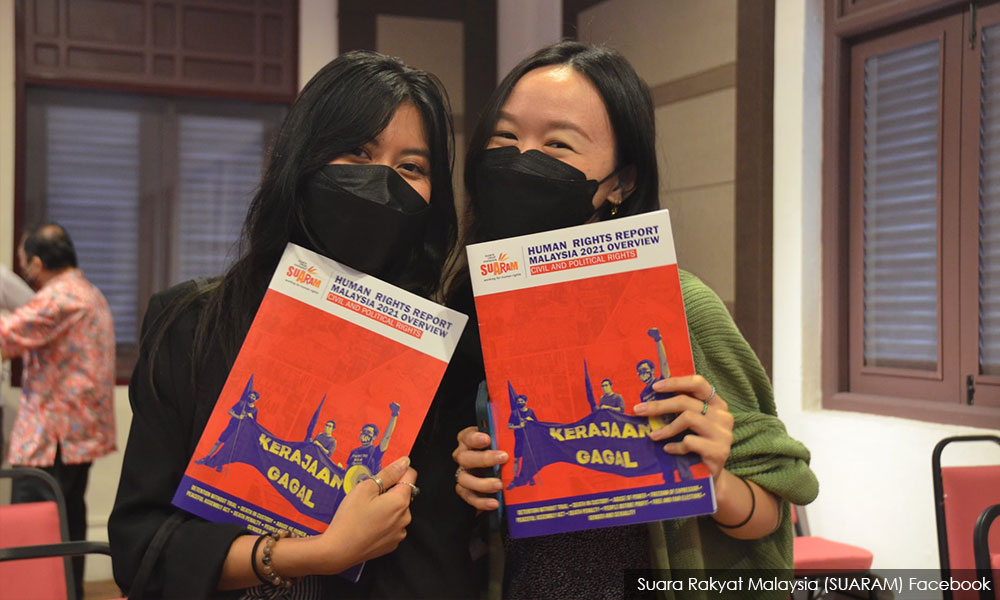
The report noted that 27 individuals were probed or arrested under the Sedition Act 1948, while over 100 were arrested, charged, or found guilty under Section 233 of the Communications and Multimedia Act 1998.
"Social activists such as Fahmi Reza, Mohammad Alshatri, and Mohammad Asraf were also investigated numerous times under both laws during the year because of their political opinions."
"On the whole, cases in 2021 mirrored those of 2020 whereby Section 233 is utilised as a catch-all law for all forms of alleged offences that are committed on the internet. This reinforces the belief that Section 233 is unjustly broad in its remit and is thus prone to abuse by the authorities," read the report.
Doraisamy also acknowledged that freedom of assembly came under attack as individuals were probed under the Peaceful Assembly Act 2012 after each gathering.
"Human rights defenders and political activists continued to be called up. At least 87 individuals were investigated under the act," he said.
Meanwhile, the report noted that various state and non-state actors in 2021 were complicit in various violations of human rights under the guise of development in Malaysia despite the pandemic.
They included the Selangor government’s attempt to degazette the Kuala Langat (North) forest reserve and the Penang South Reclamation Project which aims to create three artificial islands.
"There has been an alarming rate of indigenous peoples’ ancestral lands being forcibly taken away by both state and non-state actors in the peninsula; the indigenous communities became more vulnerable to exploitation and land grabs since the implementation of movement control order in March 2020," read the report.
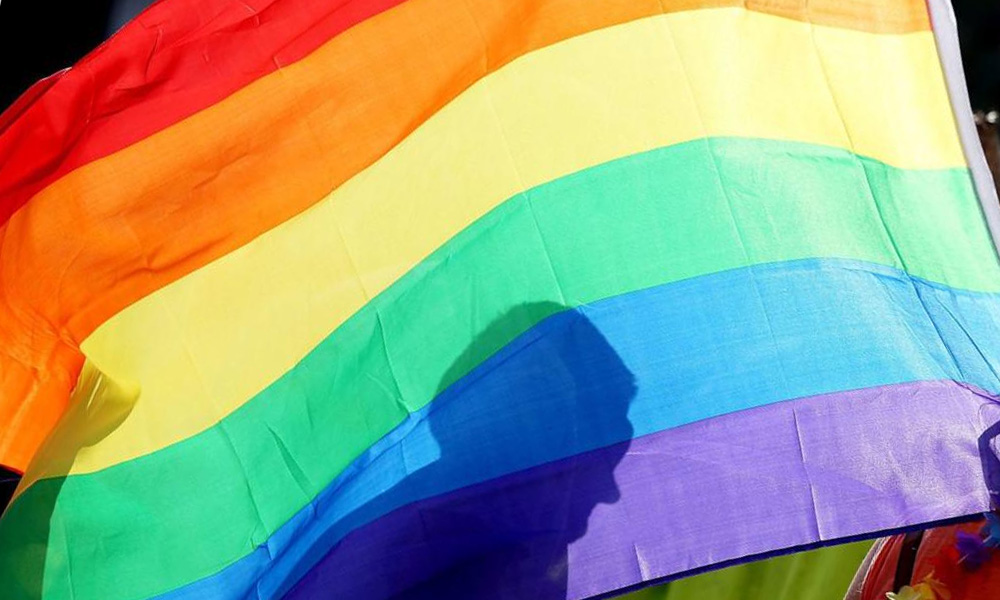
The report also highlighted that women and the lesbian, gay, bisexual, transgender, intersex, and queer (LGBTIQ) communities living in Malaysia continued to face severe human rights challenges, especially when politicians and right-wing organisations would harp on gender and sexuality issues to gain political mileage.
"The proposed amendment to the Syariah Courts (Criminal Jurisdiction) Act 1965 (Act 355) is particularly worrying since the amendment, (aimed at) increasing the sentencing limits under Syariah Courts’ criminal jurisdiction, is made on the grounds of 'resolving the LGBT issues' by the government," said the report.
"The proposed amendment to Act 355 aims to expand the Syariah Courts’ criminal jurisdiction, (with harsher punishments for the LGBT community) from three years of imprisonment, RM5,000 in fine and six strokes to 30 years imprisonment, RM100,000 fine and 100 strokes.
"The harsher punishment could potentially fuel more discrimination and violence against the LGBTIQ communities.
"Regrettably, Prime Minister Ismail Sabri Yaakob appeared to continue this policy stance as he has recently announced that 355 Act will be scheduled for tabling in Parliament this year," according to the report.