
Menopause and heart disease: is there a link?
Although the risk of heart disease for everyone can increase with age, the risk may be even higher for women experiencing menopause. While an increasing number of studies show there is a link between menopause and heart health, there is currently no clear-cut consensus as to how this natural biological process affects the heart.
“Some experts say that this could be due to the drop in estrogen levels during menopause, but more research needs to be done in this area to consider other possible factors as well,” explains Institut Jantung Negara (IJN) cardiologist Dr Suraya Hani Kamsani. “However, menopause is a normal part of ageing, and women should not be made to fear it. What they can do however, is be aware of the possible risks, so they can take the right steps to stay healthy.”
Effects of menopause on the heart
Menopause refers to the end of a women’s reproductive cycle, specifically when a woman has not had her periods for 12 months or more. In the years leading up to menopause, some women may experience changes in their monthly periods, hot flashes, mood swings and other symptoms – this stage of transition is called perimenopause.
During the start of perimenopause, a woman’s body gradually produces less estrogen and progesterone (the hormones that regulate menstruation). According to Dr Suraya Hani, this drop in estrogen is thought to be a factor in increasing women’s risk of heart disease.
“There is some research to suggest that estrogen has a “protective effect” against heart disease, as the hormone may help keep blood vessels flexible. This flexibility helps the vessels relax and expand to accommodate a healthy blood flow. So the theory is that a sharp drop in estrogen may contribute to the stiffening of these blood vessels,” she says.
She adds however, that various other physiological changes that occur during menopause are equally likely to affect the heart. “This includes changes in metabolism and a rise in ‘bad’ cholesterol. These changes can increase the risk of developing conditions that are linked to heart disease,” she says.
As an example, many may be aware that metabolic changes during menopause can cause weight gain. However, for women who tend to gain weight around the abdominal area may be at a higher risk of heart disease. “The body fat that accumulates within the abdominal cavity is called visceral fat,” says Dr Suraya Hani. “The higher the amount of visceral fat a person has, the higher their risk for heart disease.”
Dr Suraya Hani also notes that symptoms of heart disease can look different in men and women. “Some of the common symptoms severe chest pains, fatigue and palpitations, which both men and women report experiencing. However, for women in particular, sometimes their symptoms can be more subtle, such as pain or tightness in the chest that comes and goes, sweating, and nausea,” she says.

Focusing on heart health
While menopause may increase the risk of heart disease, women can take the right steps to lower this risk. “Menopause is not something we can stop or reverse – it’s just another stage of life,” adds Dr Suraya Hani. “Instead of worrying excessively, what we can do is make improvements to our life by incorporating healthier habits. Plus, we can start making these changes at any age.”
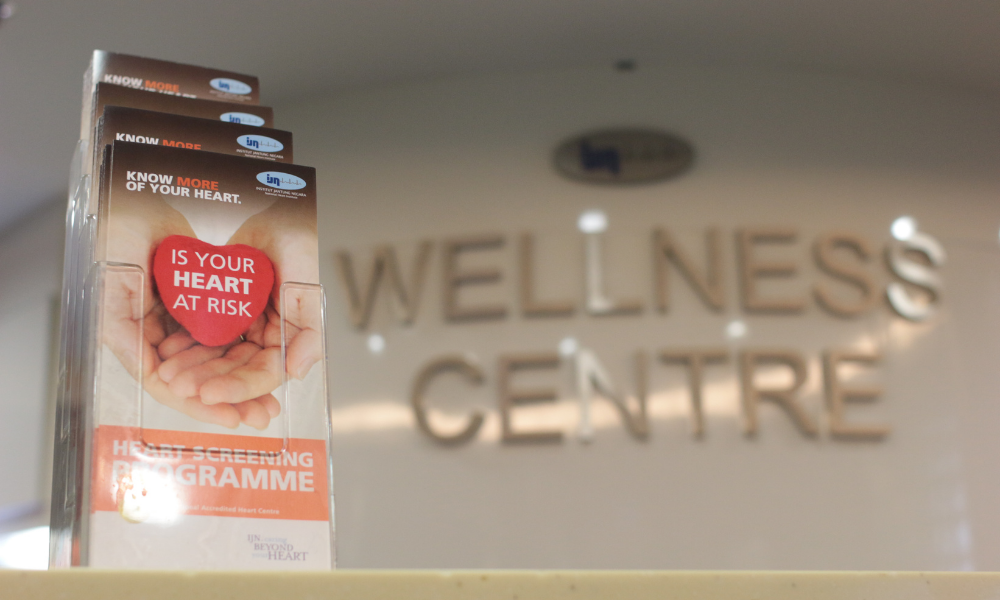
One important consideration, particularly for menopausal and post-menopausal women, is to undergo regular health screenings. This is especially if you also have other risk factors, including other conditions such as diabetes and high blood pressure, a high body-mass index, and a family history of heart disease. “Many of our patients come to us without showing any symptoms, only to discover unhealthy levels of sugar or cholesterol – in these cases, we’re able to detect any possible complications early and tackle them before they develop into serious conditions. If you already experiencing symptoms like excessive fatigue or chest discomfort, it’s best to see a cardiologist as soon as possible,” says Dr Suraya Hani.
She adds that at IJN, patients have the option of receiving additional support to manage their health from the various specialities that are available within the centre. For instance, patients who are struggling to stop smoking for the sake of improving their heart health may be referred to the Stop Smoking Clinic, while the Obesity Clinic provides patients with resources to manage their weight loss in a healthy way.
Aside from maintaining a healthy diet and getting regular exercise, Dr Suraya Hani also advises more women to manage their stress as best as they can. “Everyone has their own stress triggers, and it can be a challenge to control our stress with the busy lives we lead now,” she says. “But even taking small measures to cope with stress, such as taking time to relax, meditation, and even counselling, can make an impact.”
She adds that ultimately, menopause should be embraced as a natural part of life. “It can be a life-altering change for many women. But this is the perfect time to reflect upon all your achievements in life, and celebrate the fruit of your hard labour. That’s why it’s important to continue striving for positive lifestyle changes, so you can fully enjoy living your life,” she says.
For more information, head to IJN’s Health and Wellness packages as they offer more comprehensive health screenings, tests and consultations.