
Sarawak-based art collective seeks connections through sounds
Kuching-based art collective Borneo Bengkel is gathering musicians from Malaysia, Indonesia and the United Kingdom to create a digital 'living' archive of discovered sounds.
The virtual exhibition “Soundbank” - to be launched on Nov 5 - explores the possibilities of digitally connecting through sound at a time when many are isolated through lockdowns and unable to cross borders.
The show’s curator Catriona Maddocks explained the idea for the ‘living’ archive came about in...
Kuching-based art collective Borneo Bengkel is gathering musicians from Malaysia, Indonesia and the United Kingdom to create a digital 'living' archive of discovered sounds.
The virtual exhibition “Soundbank” - to be launched on Nov 5 - explores the possibilities of digitally connecting through sound at a time when many are isolated through lockdowns and unable to cross borders.
The show’s curator Catriona Maddocks explained the idea for the ‘living’ archive came about in the midst of the Covid-19 pandemic.
“This soundbank project came from the realisation last year that while we were all so separated from one another, the digital world gives us so many opportunities to connect with people from distant places.
“There is such rich folk music and cultural heritage in both Borneo and the UK, we wanted to bring these musicians together in an innovative way and use technology to create conversation through music,” said Maddocks who spent over 10 years living in Sarawak before she was forced to return to her home country at the start of the pandemic.
In July, Borneo Bengkel organised an online gathering for 16 creative industry practitioners where they presented their music and practice.
In the months that followed, the exhibition’s participants painstakingly collected sounds, video and photography that represented their daily lives in their different countries. These were then uploaded through the app Living Archive.
Indigenous literature and nature's music
Notably, the soundbank features recordings in over five indigenous languages - several of them being highly endangered such as Kayan, Dusun and Gaelic - alongside recordings of morning birdsong, and the throng of cicadas in the rainforest.
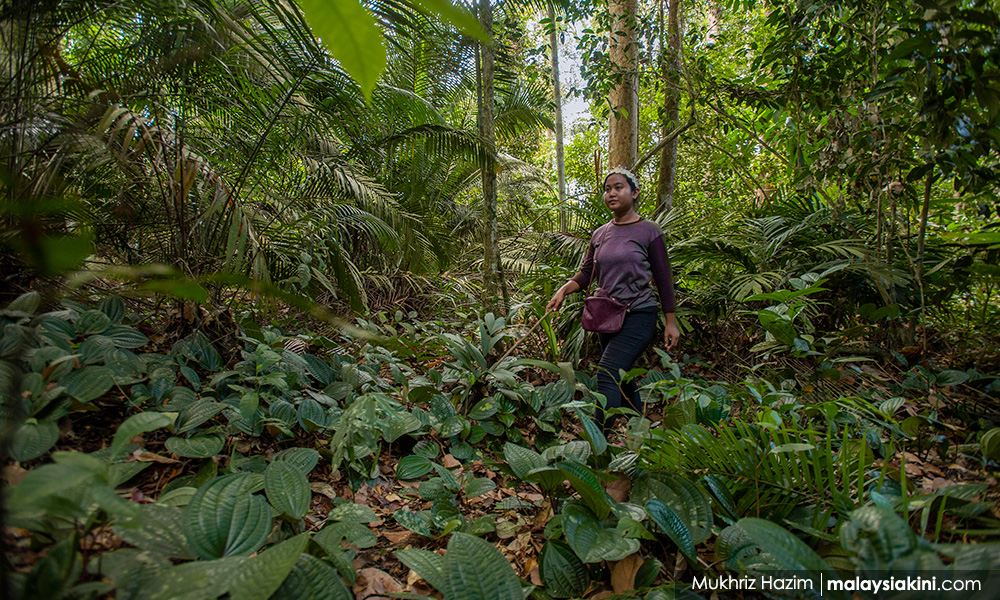
Participating musician Maya Bayu, in one instance, wanted to preserve the legacy of poetry within her community.
She recited two poems in the Dusun language entitled Talaala and Oku, written by Universiti Pendidikan Sultan Idris (UPSI) linguistics professor Rosliah Kiting.
In the past, poetry was recited by the Kadazan-Dusun/Murut communities while at work in the paddy fields, with many poems focusing on messages of unity and togetherness.
The exhibition detailed that with the passage of time, the practice of Sabahan indigenous poetry is at risk of being erased.
Made during the pandemic, many of the recordings were either produced from home or local surroundings during the lockdowns. Others are videos or live recordings of gatherings and performances made prior to the pandemic.
Participants of the exhibition include Alena Murang (Sarawak), Maya (Sabah), Reza Darwin (Indonesia), Rob Griffiths (Britain), Kaitlin Ross (Scotland) and Calm C (Nothern Ireland).
Sarawakian cultural practitioner and exhibition participant Adrian Jo Milang said that due to the lockdown, he had been separated from many elders in his community.
“For many months I haven't been able to visit the community elders who I usually sing with.
"Taking part in this project, and sharing our music and recordings on the soundbank, gave me a chance to connect with others and see that the work I do is part of a much bigger story of indigenous representation and preserving endangered languages,” said Adrian, who works to preserve the oral traditions of the Kayan communities in Borneo.
The Soundbank exhibition - funded by the British Council’s Connections Through Culture grant - will be accessible to the public on their website from Nov 5 onwards.