
COMMENT | Language fascism over whiskey
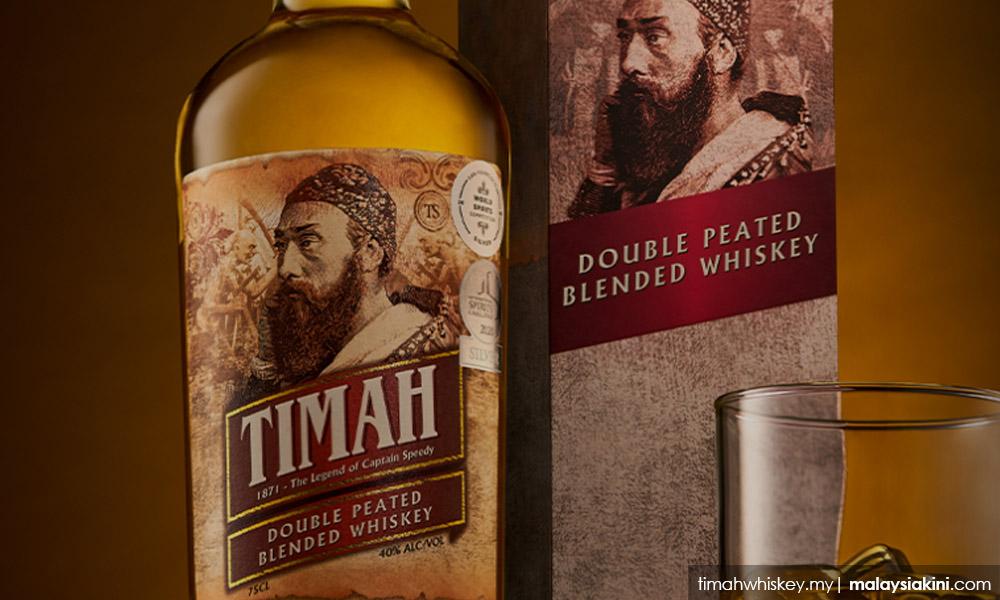
COMMENT | Malaysia creates a whiskey called Timah that wins overseas awards. Do we celebrate it? Sadly, some people want to tear it down.
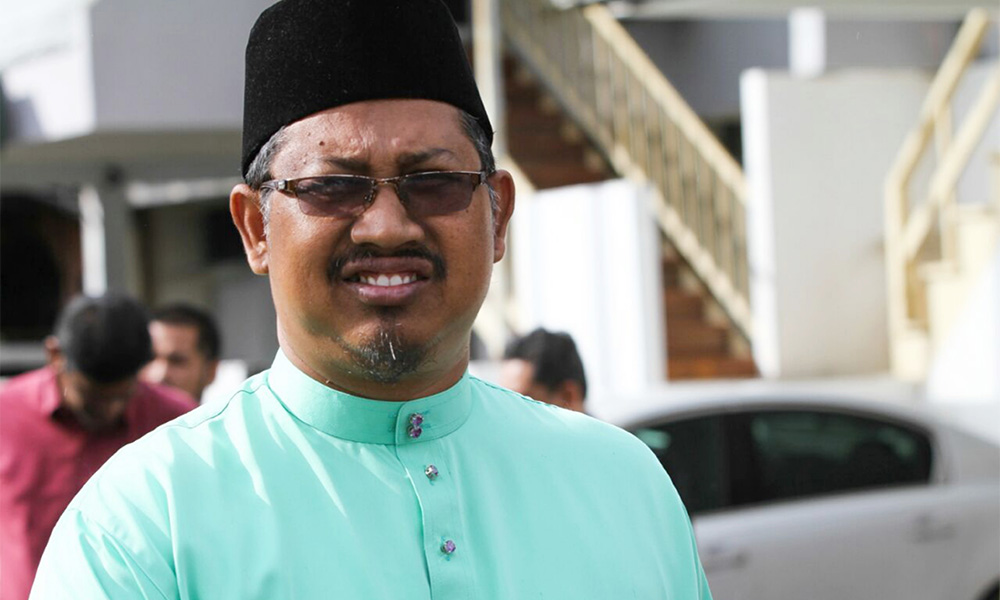
PAS Syura Ulama Council member Mahfodz Mohamed complained that the name was “confusing” to Muslims because it sounds like Fatimah, the name of Prophet Muhammad’s daughter.
No, replied the whiskey company, the brand name Timah is the Malay word for tin. Yes, the metal over which Chinese migrants slaved in mines and died from malaria to build this country's wealth and towns like Ipoh, Seremban, Taiping and indeed, Kuala Lumpur itself. A history that’s sadly being slowly erased from our school history books.
Language fascism?
These outbursts are deeply troubling for many reasons. One suspects the problem begins with the use of the Malay language to describe something non-halal.
What if I opened a place called...
COMMENT | Malaysia creates a whiskey called Timah that wins overseas awards. Do we celebrate it? Sadly, some people want to tear it down.
PAS Syura Ulama Council member Mahfodz Mohamed complained that the name was “confusing” to Muslims because it sounds like Fatimah, the name of Prophet Muhammad’s daughter.
No, replied the whiskey company, the brand name Timah is the Malay word for tin. Yes, the metal over which Chinese migrants slaved in mines and died from malaria to build this country's wealth and towns like Ipoh, Seremban, Taiping and indeed, Kuala Lumpur itself. A history that’s sadly being slowly erased from our school history books.
Language fascism?
These outbursts are deeply troubling for many reasons. One suspects the problem begins with the use of the Malay language to describe something non-halal.
What if I opened a place called Gaya Bar? Since “gaya” is the Malay word for “style”, wouldn’t that be a great example of me trying to uphold Bahasa Malaysia (BM)?
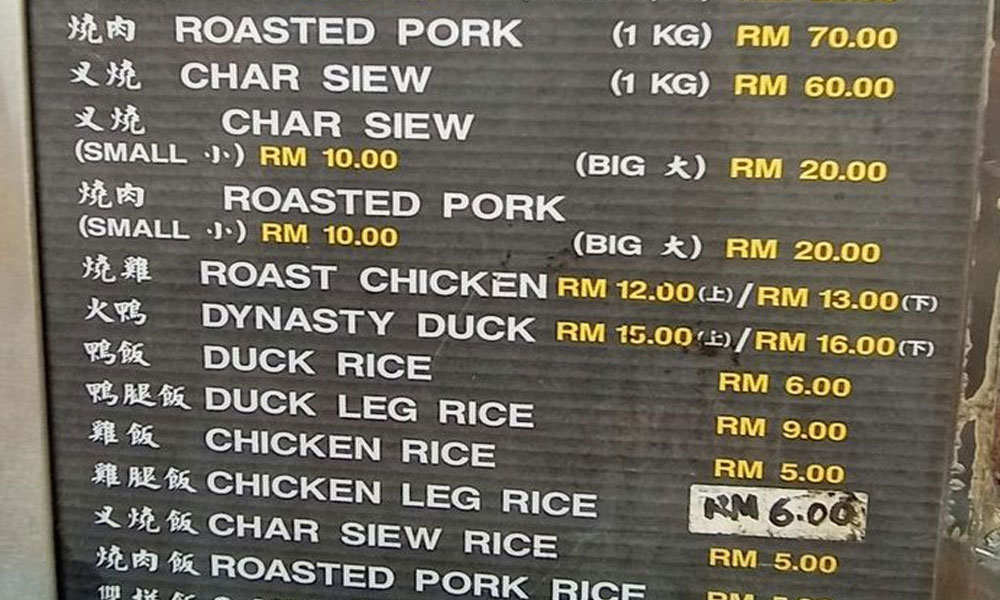
But I doubt this would be allowed as the use of Malay suddenly does not apply when describing alcohol or pork. Therefore, the signs for charsiew and roasted pork are always in Chinese and English. Heaven forbid that we should have signs advertising these foods as babi bakar and babi panggang.
In other words, even though BM is the “national language”, the non-Malays are only “allowed” to use it in a way that does not make the Malays “uncomfortable” or “confused”. This, as my friend Anura Bird called it, is “language fascism”.
And what about ‘Timah’ being construed indirectly as Fatimah rather than directly as timah or tin? Is it fair to stretch and extend the meanings of words? It would be like Hindus suddenly slamming me for my bar because they feel Gaya is the short form for the goddess Gayathri.
Super sensitive?
Does this mean that non-Muslims must tiptoe around every little tripwire that may cause offence to Muslims?
Can Chinese Malaysians raise a fuss about the dish ayam masak cabai (chicken cooked with chilly)? Because if one changes one letter on the word 'cabai', it becomes a very rude word in Hokkien?
This game of looking for things to get offended over can get ridiculous.
For example, take the car Proton Iswara. The company claimed that this referred to Papilio iswara, a species of butterfly. Sure, perhaps.
But if I wanted to make a mountain out of a molehill, I could also claim that this sounds dangerously close to ishvara, the Sanskrit word for “god in human form” (hence Parameswara, the founder of Melaka, means Param the “god-king”). Did that mean that Malays were driving cars named after Hindu gods?
We live in a multicultural country and region. How far must we look out for every possible insult even when it’s not the actual word used, but only an indirect, implied word? Is that being “super sensitive”?
And if it really was so touchy, then the government should not have approved the name in the first place. It’s very poor policymaking to let the company spend money on advertising only to turn around later when there are complaints.
Cultural monopoly
Another issue raised was the image of the bearded man on the whiskey bottles that appeared to wear a Muslim kopiah (skullcap).
Majlis Perundingan Pertubuhan Islam Malaysia (Mapim) president Mohd Azmi Abdul Hamid grumbled that this was biadap (insolent) as it suggested “someone with a Muslim image promoting liquor”.
But the company explained that the image was of Captain Tristram Speedy, an English officer during the Larut tin wars of Perak, who helped introduce whiskey culture to Malaya.
The biggest problem with Azmi’s protest is that he assumes that all bearded men are Muslims. Apparently, he is so culturally restricted (under a coconut shell?) that he does not realise, for instance, that Hindu sadhus or holy men, also have long beards.
Such a mindset can only happen when a group assumes that its norms and practices apply to everyone. This is a cultural monopoly, something very far from the happy, diverse image of our tourism image “Malaysia Truly Asia”.
Distraction tactic?
The PAS Ulama Council has since called for the Timah liquor factory to be closed down.
The Ulama Council spokesperson Mohd Nor Hamzah admitted that many netizens had criticised the party for being unable to do much (for its Islamic agenda) despite being part of the federal government.
Ah… perhaps we are getting to the real reasons behind the brouhaha over Timah whiskey - politics.
PAS has been under fire not just for this but a whole slew of issues. While it was in the opposition, it hammered the Pakatan Harapan government for “allowing” gambling and alcohol and vowed to ban these if it was in the government. And of course, PAS has always championed hudud law.
But since PAS came to power during the Sheraton Move in February 2020, what have they done on these “Islamic issues”?
While former Harapan finance minister Lim Guan Eng had reduced the four-digit special draws down to eight a year in 2020, the more “Islamic” government now has increased these to 22.
Is PAS discovering that money talks louder than principles? As for hudud law, there has not been a whimper from the party even though the law minister himself back then was Takiyuddin Hassan of PAS.
Some 38 percent of Malaysians are not Muslim, so what right did PAS ever have to shut down the alcohol industry? Why don’t they dare call for the Carlsberg and Guinness breweries to close shop? Is it because they are big players? Or is it because banning such foreign-linked companies would create an international uproar?
So, is PAS instead picking on Timah because it’s a new, small startup? Or because it’s “merely Malaysian” (and worse, Chinese) and can therefore be bullied? That would mean that foreign-linked companies have more rights than Malaysian ones.
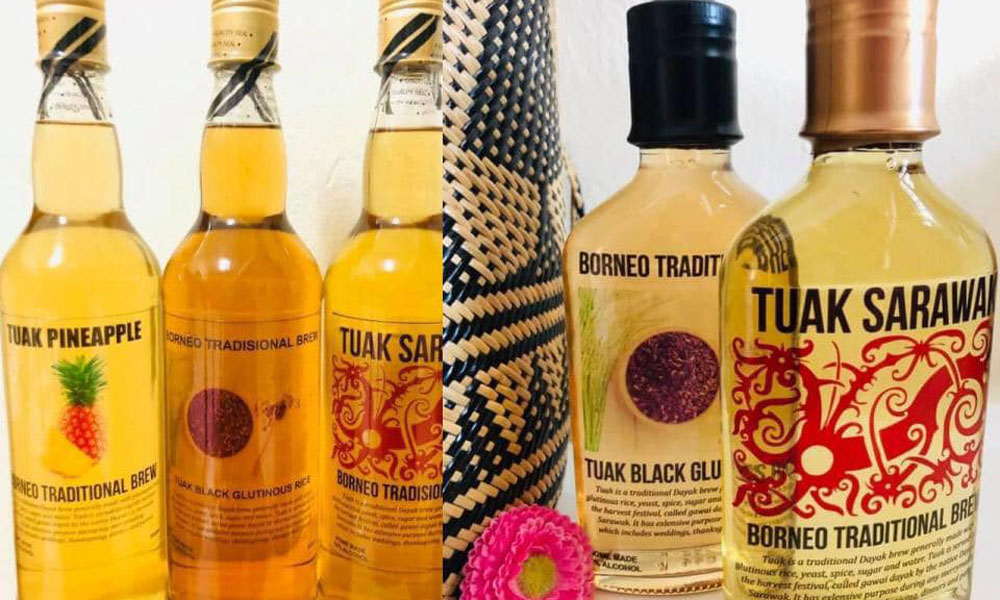
If PAS is sincere, they should also raid longhouses in Sarawak to destroy the traditional brewing of rice wine by Dayaks there. But they probably won’t do it, because it could lead to the defeat of the ruling government.
It’s all about votes and politics, just as it was announced back in 2013 that Christians in East Malaysia were allowed to use the word Allah in their church services while it was banned in West Malaysia.
Similarly, PAS probably won’t dare call for Malays selling satay and nasi lemak inside Chinese kopitiams to leave (because the "porky air" is “offensive”). Nor will they make a big hoo-hah about Malay Grab Food riders delivering non-halal stuff. Why? Because the blow to incomes will simply create too much controversy against the party.
Then perhaps people will start questioning why PAS leaders began using fancy Vellfires, Audis and BMW’s after their secret (and vehemently denied but later admitted) political romance with Umno blossomed before the 2018 elections.
It’s the same reason that no politician has raised a ruckus about Indonesian Muslim maids working in Chinese homes - some people have too much vested interest in the agency recruitment system.
So, one suspects that the demonising of Timah whiskey by PAS (and its allies) is a carefully choreographed drama, designed to distract and divert attention away from its failings to implement its own “Islamic agenda” despite being part of the federal government.
This is sad.
Rather than digging up all this small stuff and blowing them up, PAS leaders should be speaking out on the real issues - rampant wastage, inflated contracts and suspected corruption. Like the RM38 million to "renovate" the Prime Minister’s palace when it cost only RM24 million to build it.
Yet, they are strangely silent on the biggest sins of the system. Instead, all they can do is pick on a little Malaysian whiskey company for imagined religious “insults”.
ANDREW SIA is a veteran journalist who likes teh tarik khau kurang manis. You are welcome to give him ideas to brew at tehtarik@gmail.com.
The views expressed here are those of the author/contributor and do not necessarily represent the views of Malaysiakini.