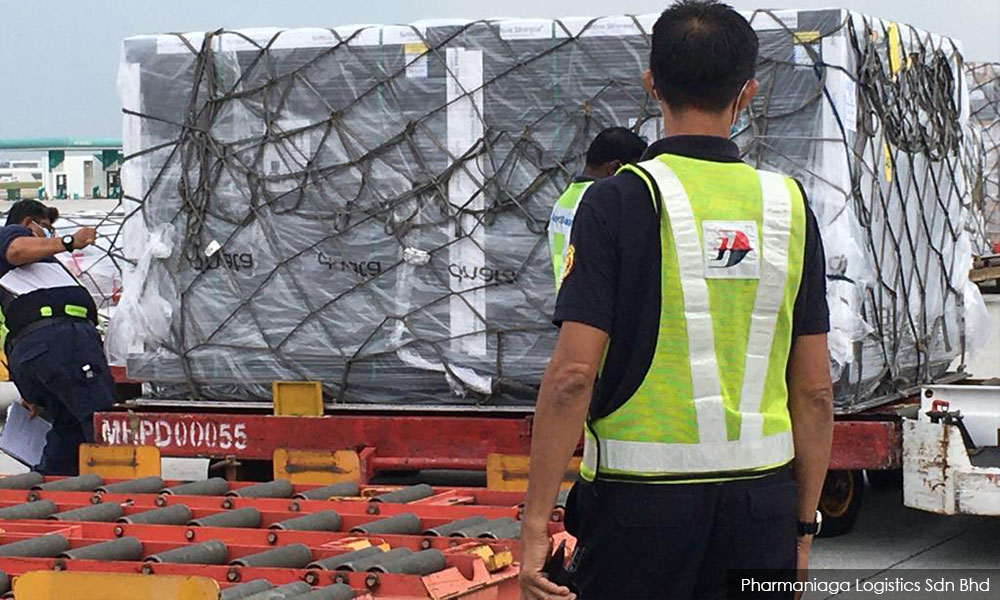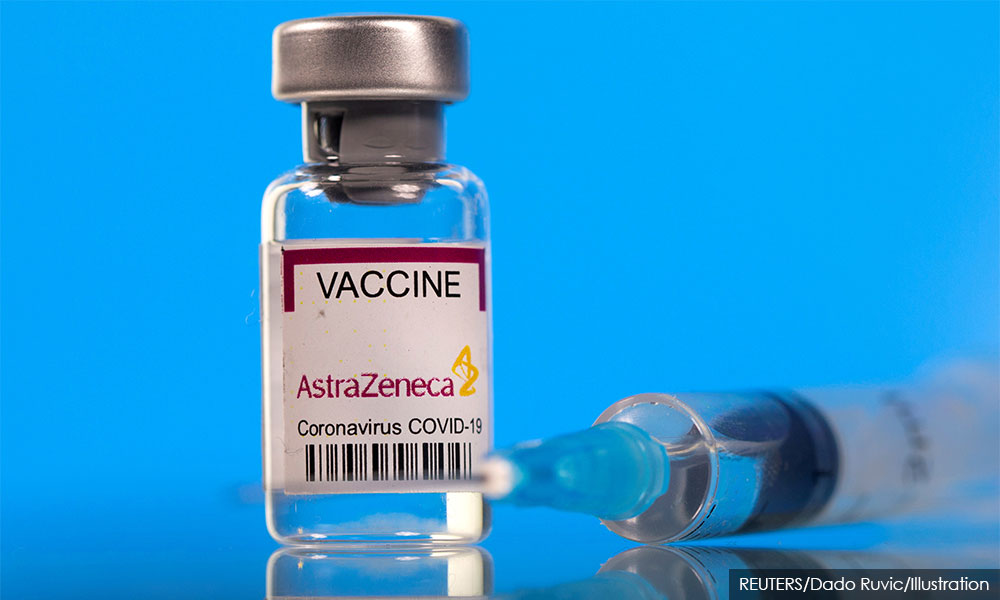

Thai-made AstraZeneca vaccines on the way
The Drug Control Authority (DCA) has granted conditional registration for Thai-made Oxford/AstraZeneca (AstraZeneca) Covid-19 vaccines.
This will open another source for the vaccine which previously could only be obtained from Medimmune Pharma BV from the Netherlands and SK Bioscience Co Ltd from South Korea.
Siam Bioscience Co Ltd has been licensed to produce AstraZeneca Covid-19 vaccines. The company passed...
The Drug Control Authority (DCA) has granted conditional registration for Thai-made Oxford/AstraZeneca (AstraZeneca) Covid-19 vaccines.
This will open another source for the vaccine which previously could only be obtained from Medimmune Pharma BV from the Netherlands and SK Bioscience Co Ltd from South Korea.
Siam Bioscience Co Ltd has been licensed to produce AstraZeneca Covid-19 vaccines. The company passed quality inspections in Thailand late last month.
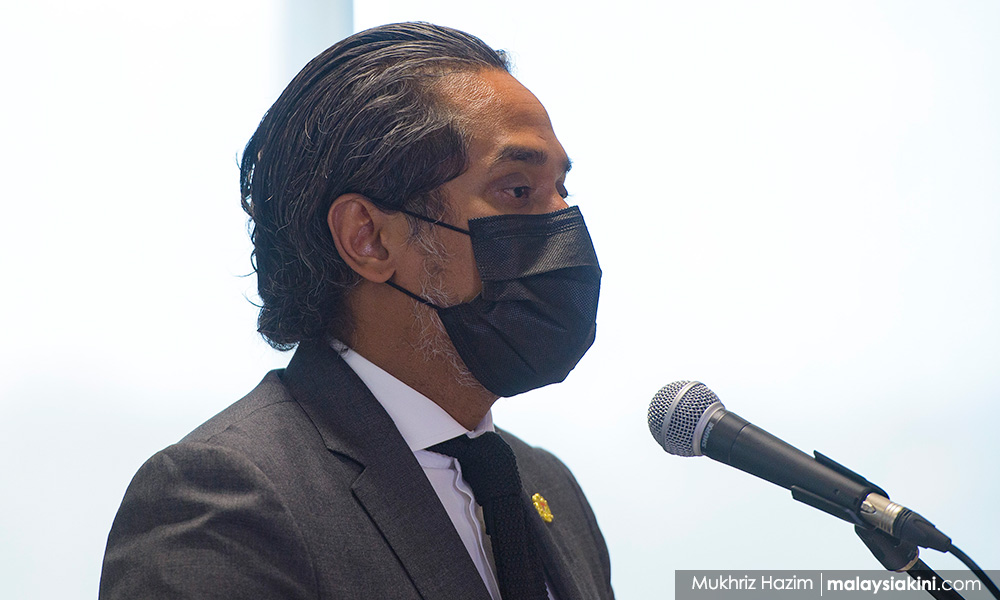
In a statement today, Health Ministry director-general Dr Noor Hisham Abdullah said local product registration holder AstraZeneca Sdn Bhd will have to provide additional data from time to time for the ministry's evaluation.
"The Health Ministry will always improve public health levels in combatting Covid-19 by procuring vaccine supplies which have been evaluated for quality, safety, and effectiveness by the National Pharmaceutical Regulatory Agency (NPRA) and the DCA.
"The government is also committed to ensuring that the Malaysian adult population achieves herd immunity in line with the goals of the National Covid-19 Immunisation Programme," he said.
Meanwhile, according to Reuters, 610,000 doses from Thailand are expected to arrive this month, followed by 410,000 doses in July and 1.2 million doses between August and September.
There is no word on when the Thai-made AstraZeneca vaccines will arrive in Malaysia.
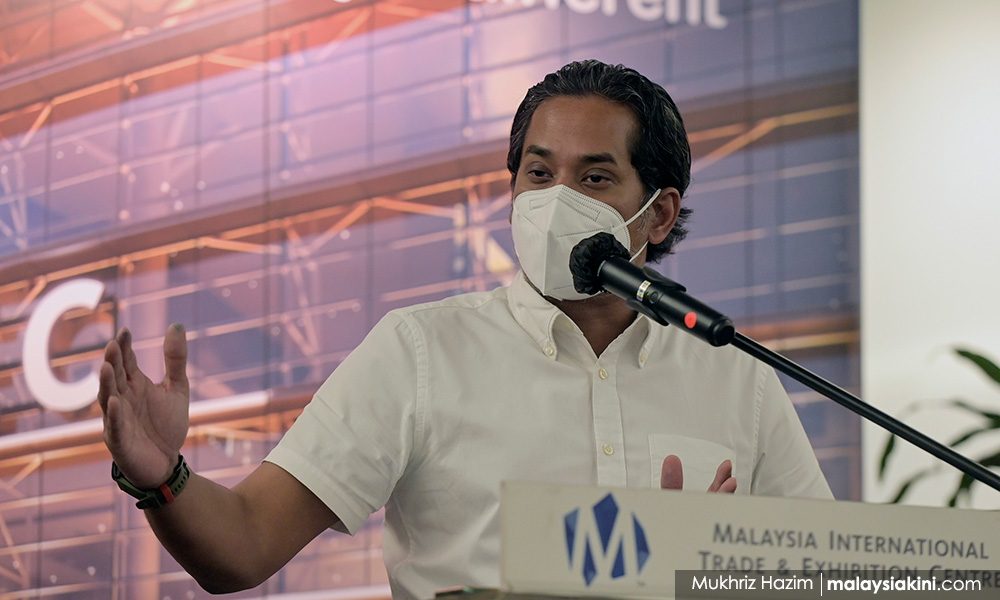
Noor Hisham expressed confidence that the new vaccine source will speed up the immunisation programme.
Previously, Malaysia has placed orders for 6.4 million doses of the AstraZeneca vaccine from the company itself, while another 6.4 million doses would come from the World Health Organisation’s Covax vaccine sharing scheme.
This is enough to fully vaccinate 20 percent of Malaysia’s population.
All of Malaysia’s AstraZeneca vaccine deliveries received to date are from the latter source, which is produced by SK Bioscience.
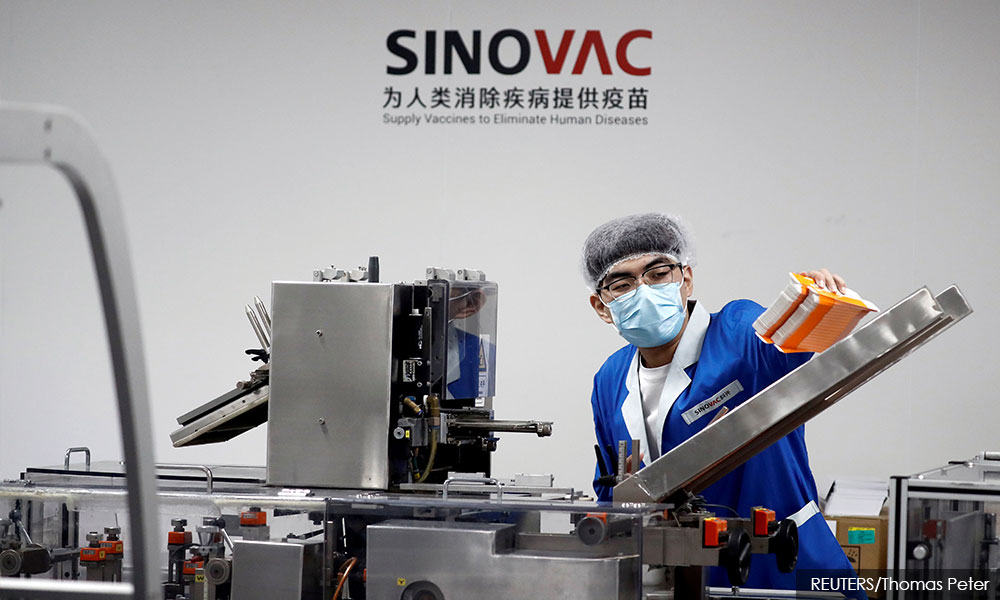
Apart from the AstraZeneca vaccine, Malaysia has also deployed Covid-19 vaccines from Pfizer and Sinovac for its national immunisation programme. The country has procured enough of these three vaccines for 108.75 percent of its 32 million population.
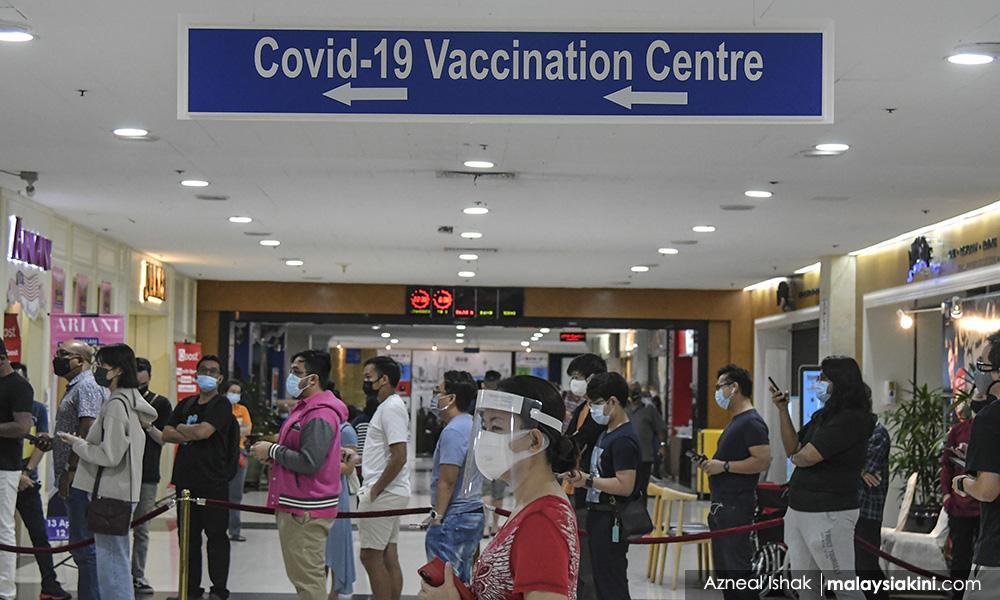
As of yesterday, 51.9 percent out of 24.3 million adult Malaysians have registered for vaccination.
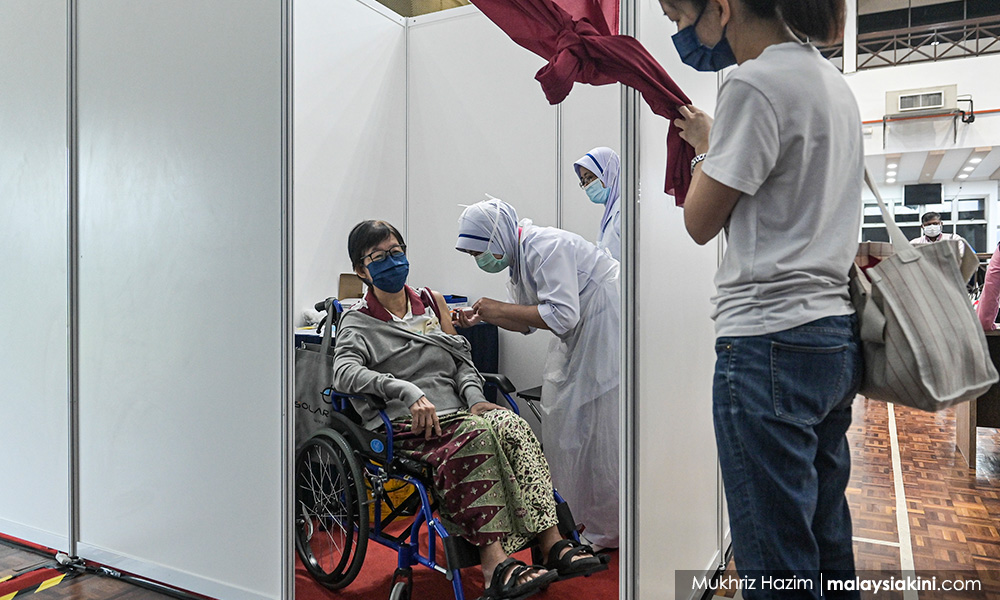
So far, nine percent of the adult population has received at least one dose of Covid-19 vaccines.
Malaysia has also procured vaccines from CanSino Biologics and the Gamaleya Institute for its national programme, but these are still pending DCA and NPRA’s approval.
If approved, these would pave the way for adding enough vaccines for 20.9 percent of the population to Malaysia’s national vaccine supply.
The government has previously said it ordered excess vaccines to act as a buffer in case some vaccines are rejected by regulators, face delays in delivery, and other contingencies.
Excess doses may also be offered as a booster shot if it becomes necessary.
On May 21, it signed a deal for additional doses of the Pfizer vaccine in a bid to speed up the vaccination programme.