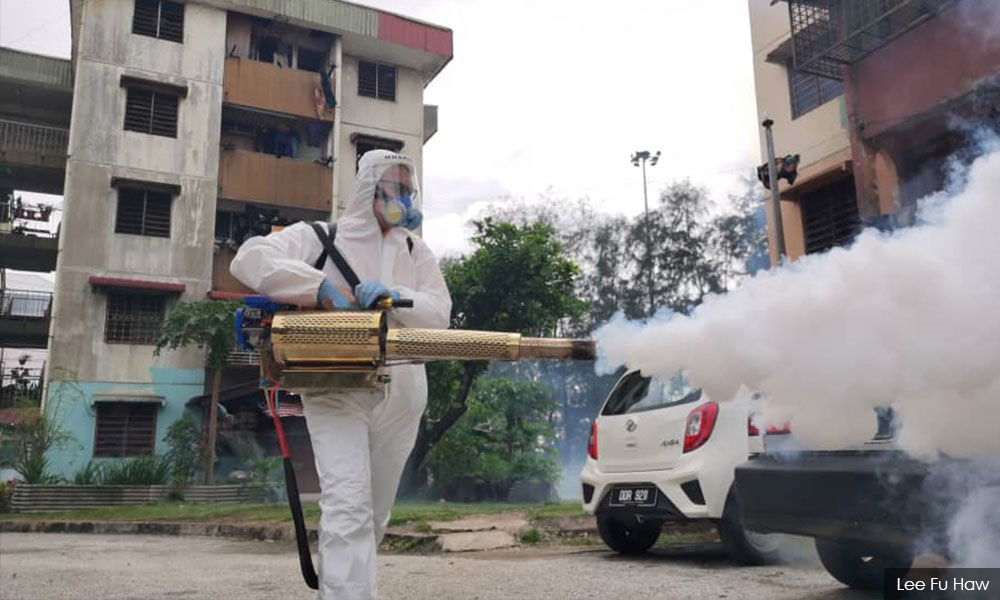

More experts say public sanitisation unscientific, wasteful
The Malaysian Public Health Physicians' Association (PHPA) has become the latest party to join the fray over the effectiveness of large-scale public sanitisation exercises in preventing Covid-19 infection.
In a statement, the association criticised such measures as not based on latest scientific findings, and is only a waste of resources if not done in a targeted manner...
- UPDATED 12.25PM | Added AMM's statement on the matter.
The Malaysian Public Health Physicians' Association (PHPA) has become the latest party to join the fray over the effectiveness of large-scale public sanitisation exercises in preventing Covid-19 infection.
In a statement, the association criticised such measures as not based on latest scientific findings, and is only a waste of resources if not done in a targeted manner.
The chemicals used in sanitisation operations are also feared to be harmful to the public, it added.
"PHPA recommends that before any sanitisation works or large-scale operations that involve the people's health, the Health Ministry should engage advice first.
"In this fight to break the chain of Covid-19 infections, all ministries cannot work alone or in a silo anymore without getting advice from those with expertise in the field.
"Cooperation and sharing resources among ministries are very important at this critical time. All expenses can be channelled to other more specific uses, especially in ensuring self-protection and reinforcing the healthcare system, which is now at a critical stage," said PHPA president Dr Zainal Ariffin Omar.
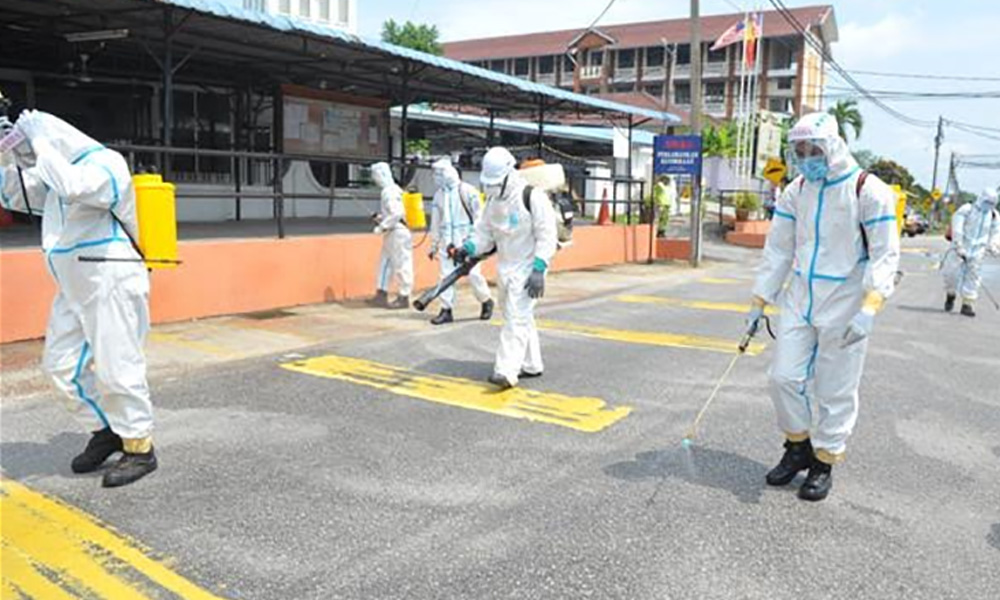
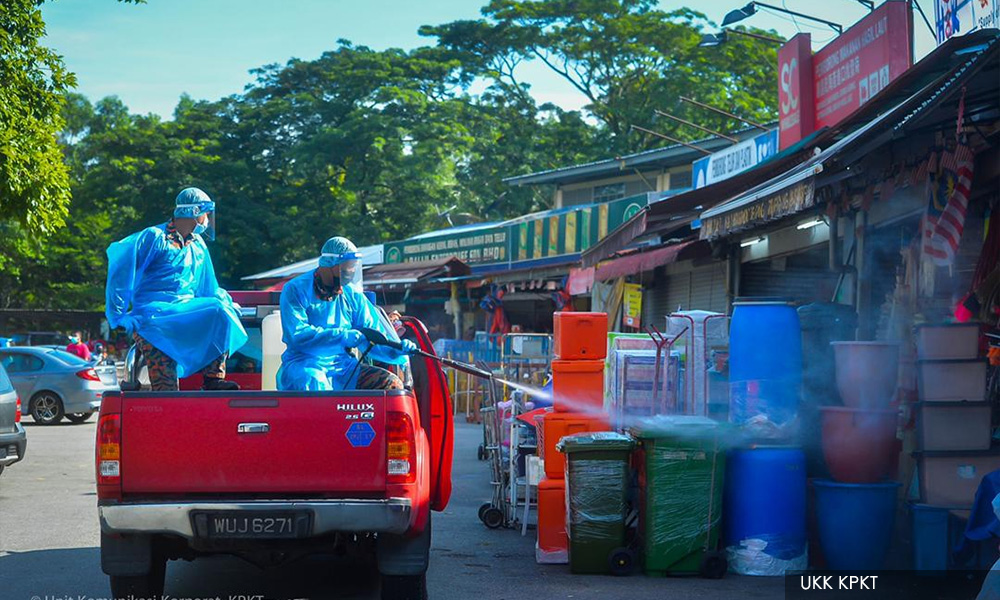
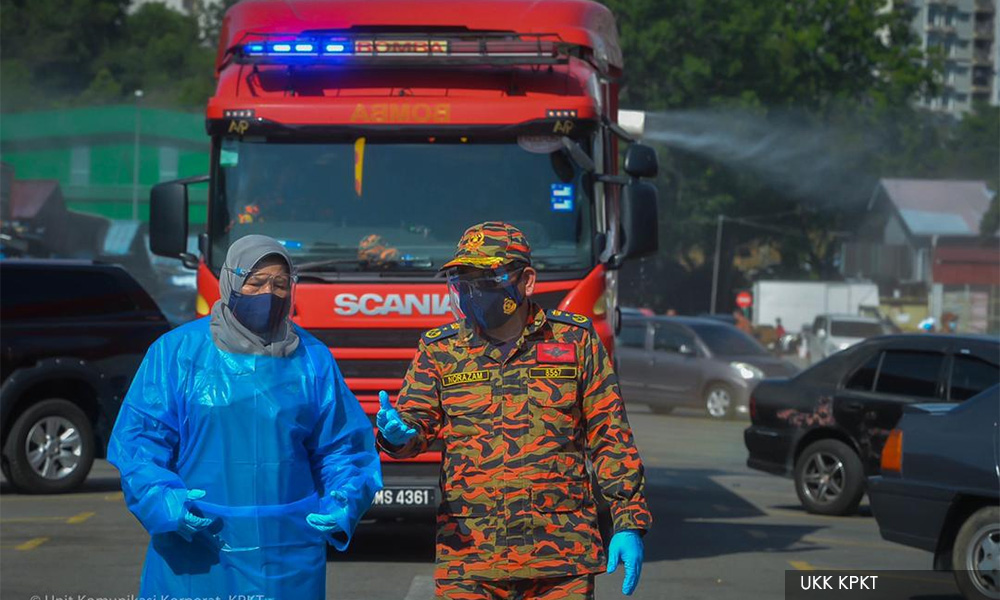
Since last weekend, medical experts have been on a warpath against the Fire and Rescue Department as well as Housing and Local Government Minister Zuraida Kamaruddin over the latter's public sanitisation exercises.

Zuraida and the fire department's director-general defended the exercise after infectious diseases expert Prof Dr Adeeba Kamarulzaman hinted that the department's large-scale two-day disinfection works at 284 locations nationwide over the weekend was a waste of limited resources.
Adeeba replied with the latest guidelines from the US Centres for Disease Control and Prevention (CDC) that advised against large-scale sanitisation as a Covid-19 prevention measure.
Public health expert Dr Lokman Hakim Sulaiman also came to her support, questioning the wisdom and efficacy of carrying out sanitisation operations.
The Academy of Medicine of Malaysia (AMM) called for science-based strategies in combating Covid-19 as well and said that it strongly backed Adeeba’s statement that the resources used on the outdoor disinfection exercise would be better spent elsewhere.
The AMM stands with its members, Adeeba and Lokman, as well as the PHPA in calling for science-based strategies for fighting Covid-19, it said today.
Targeted efforts
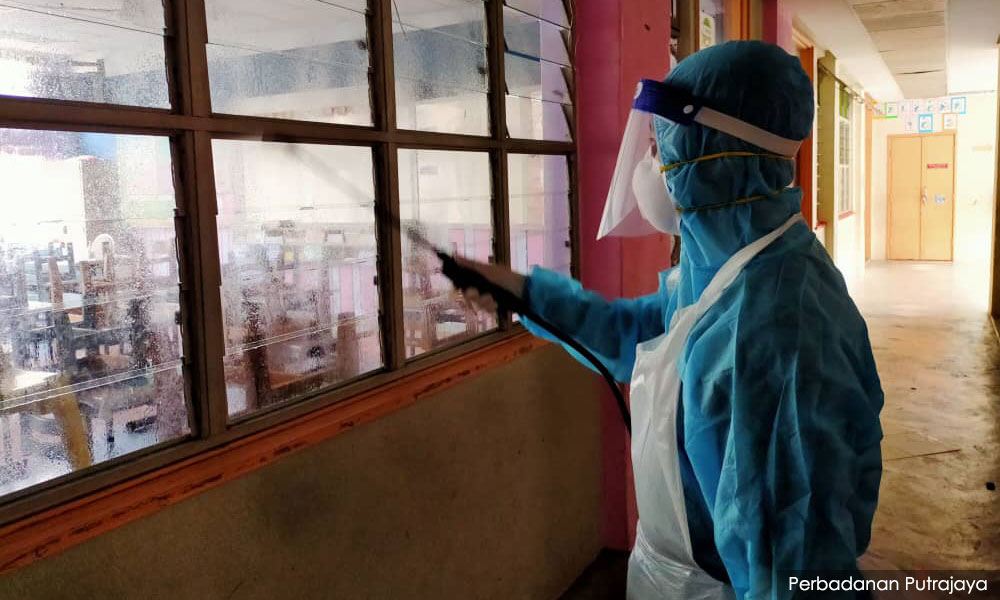
According to Zainal, while large-scale sanitisation still has some benefits to lower virus levels in the environment, he stressed such activities must only be done in a targeted manner in closed areas, where there is no proper ventilation.
"The local community or workers in an area must also agree before a sanitisation activity is conducted because, among these people, there are those who are not fit like asthma patients or those who suffer from dermatitis, where such activity can worsen their health conditions.
"The environment and property could also be affected with the use of chlorine or other chemicals in such sanitisation exercises," he added.
Better spending
The AMM urged the government to prioritise anti-Covid-19 interventions that will help reduce the number of cases, protect our hospitals during the lockdown, and allow frontliners a breather.
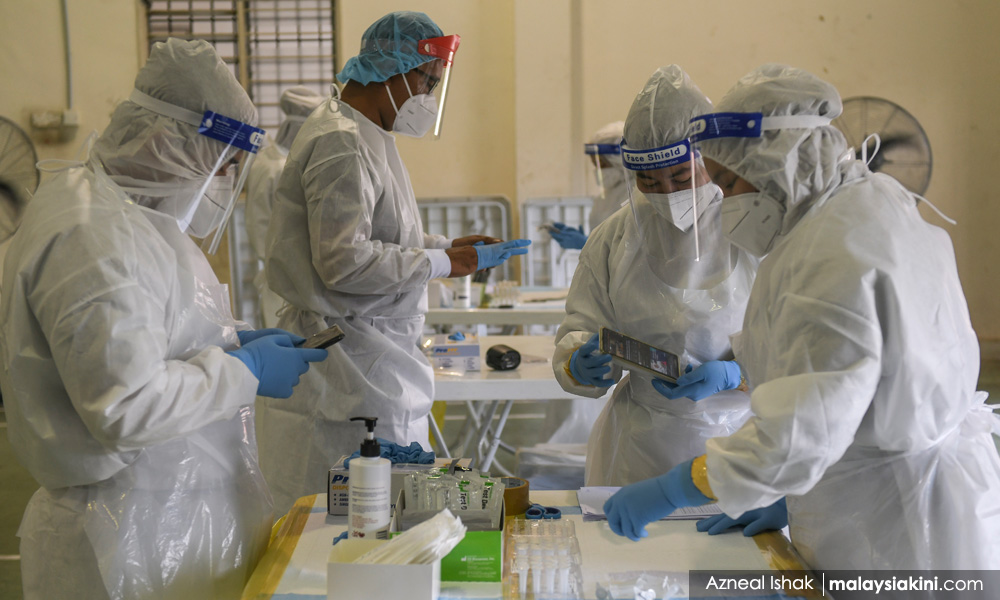
"Ministers are expected to be prudent in their spending to achieve the best possible outcomes with minimal expenditures and diminishing fiscal reserves.
"It is therefore very disturbing to see that the national disinfection exercise which was first heavily criticised 15 months ago by local experts is being repeated," it said in a statement.
They also cited the US CDC findings saying that furthermore, the World Health Organisation (WHO) has alerted to the hazards of this public disinfection exercise as early as May 16, 2020, noting: “Spraying or fogging of certain chemicals such as formaldehyde, chlorine-based agent or quaternary ammonium is not recommended, due to adverse health effects.”
They hope that the Health Ministry will update its guidelines on the matter to reflect this.
"Both the CDC and WHO have acknowledged that Covid-19 is an airborne virus. This has led to the creation of ventilation guidelines in many countries, including Singapore.
"Many commercial and residential buildings in Malaysia may indeed require updating to meet new standards and we must seize this time of a total lockdown to make the necessary improvements so we can exit this pandemic once and for all," it said.
The AMM statement was signed by the following organisations and representatives: AMM (Dr Rosmawati Mohamed), College of Anaesthesiologists (Dr Jahizah Hassan), College of Dental Specialists (Dr Lian Chin Boon), College of Emergency Physicians (Dr Ridzuan Mohd Isa), College of Obstetricians and Gynaecologists (Dr Siti Zawiah Omar), College of Ophthalmologists (Dr Nur Fariza Ngah), College of Paediatrics (Dr Thong Meow Keong), College of Pathologists (Dr Cheong Soon Keng), College of Physicians (Dr Letchuman Ramanathan), College of Public Health Medicine (Dr Sha’ari Ngadiman), College of Radiology (Dr Norlisah Ramli) and College of Surgeons (Dr Lim Kean Ghee).