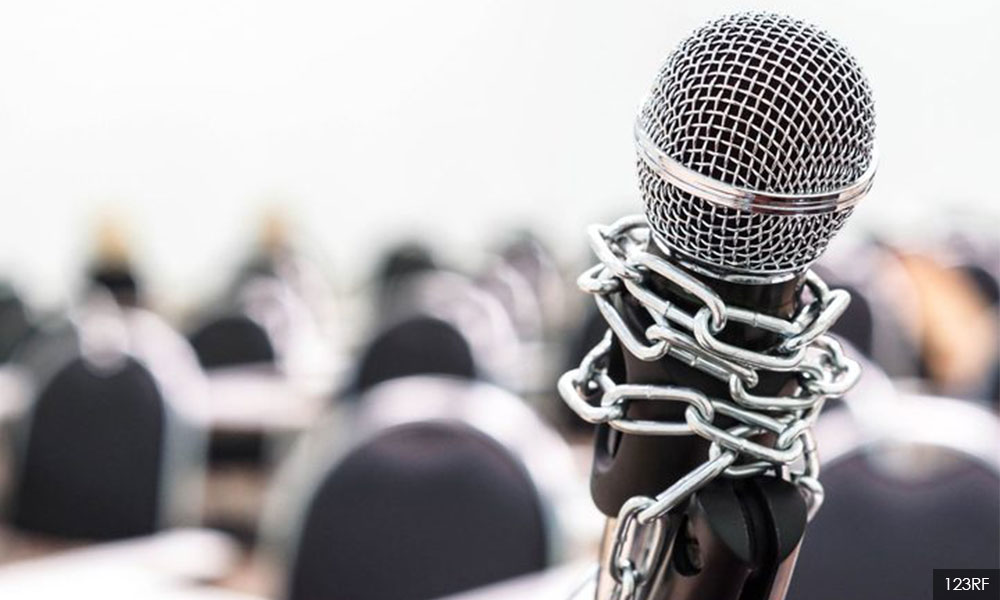

COMMENT | Democracy's shackling in Malaysia
COMMENT | The Covid-19 pandemic has fuelled a crisis for democracy around the world. Since the coronavirus outbreak began, the condition of democracy and human rights has grown worse in many countries. Governments have responded by engaging in abuses of power, silencing their critics and weakening or shuttering important institutions, often undermining the very systems of accountability needed to protect public health.
The crisis of democratic governance, having begun long before the pandemic, is likely to continue after the health crisis recedes as the laws and norms being put in place now will be difficult to reverse.
Government abuse of power is one of the major issues most affected by the coronavirus outbreak. Officials and security services perpetrated violence against civilians, detained people without justification, and overstepped their legal authority. Governments are also using the pandemic as a justification to grant themselves special powers beyond what is reasonably necessary to protect public health.
They have then exploited these emergency powers to interfere in the justice system, impose unprecedented restrictions on political opponents and undermine crucial legislative functions.
There is also evidence of action by authorities against opposition politicians and civilians. Charges, detentions and arrests linked to the pandemic response were noted in some of the countries. Covid-19 is used as an opportunity to further repress political activists, rights defenders, lawyers, journalists, doctors etc. Double standards could be seen in the implementation of laws pertaining to the pandemic.
At the same time, parliaments have been hamstrung by health restrictions and emergency laws, and at times manipulated for political purposes. Countries have declared emergency or military rule, citing the need to curb the proliferation of Covid-19. Such abuses may reflect a government’s ...
COMMENT | The Covid-19 pandemic has fuelled a crisis for democracy around the world. Since the coronavirus outbreak began, the condition of democracy and human rights has grown worse in many countries. Governments have responded by engaging in abuses of power, silencing their critics and weakening or shuttering important institutions, often undermining the very systems of accountability needed to protect public health.
The crisis of democratic governance, having begun long before the pandemic, is likely to continue after the health crisis recedes as the laws and norms being put in place now will be difficult to reverse.
Government abuse of power is one of the major issues most affected by the coronavirus outbreak. Officials and security services perpetrated violence against civilians, detained people without justification, and overstepped their legal authority. Governments are also using the pandemic as a justification to grant themselves special powers beyond what is reasonably necessary to protect public health.
They have then exploited these emergency powers to interfere in the justice system, impose unprecedented restrictions on political opponents and undermine crucial legislative functions.
There is also evidence of action by authorities against opposition politicians and civilians. Charges, detentions and arrests linked to the pandemic response were noted in some of the countries. Covid-19 is used as an opportunity to further repress political activists, rights defenders, lawyers, journalists, doctors etc. Double standards could be seen in the implementation of laws pertaining to the pandemic.
At the same time, parliaments have been hamstrung by health restrictions and emergency laws, and at times manipulated for political purposes. Countries have declared emergency or military rule, citing the need to curb the proliferation of Covid-19. Such abuses may reflect a government’s fear of losing power rather than confidence in its own strength.
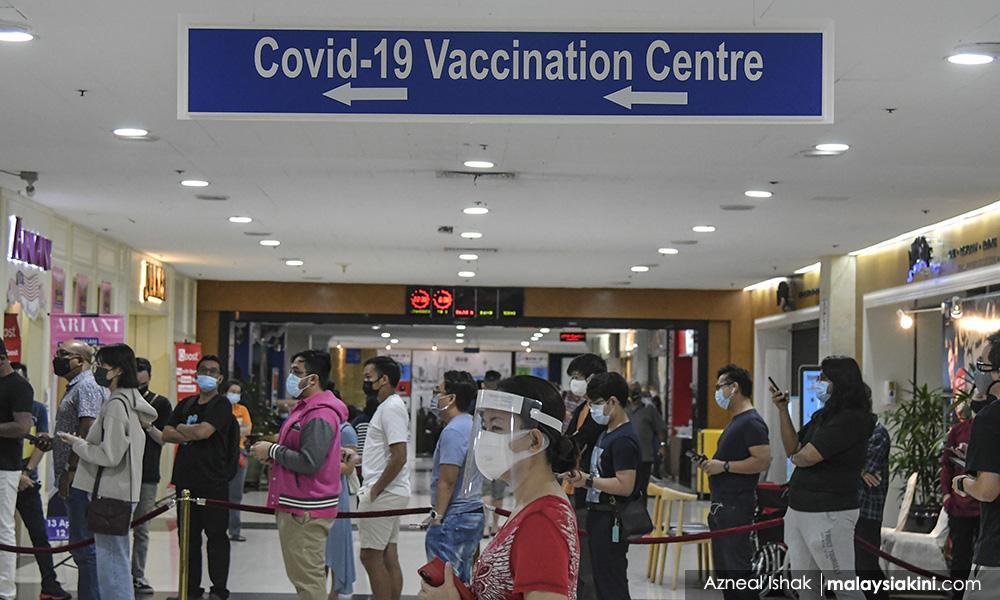
Abuses of power during the pandemic have had a disproportionate impact on communities that were already marginalised. There seems to be a lack of protection for minorities and vulnerable populations who are most affected by the coronavirus response; new or increased restrictions on ethnic and religious minorities have been put in place as a result of the coronavirus outbreak.
Authoritarian and democratically-elected leaders alike have failed to be candid about the impact of the coronavirus. Experts have expressed broad scepticism of government information on the coronavirus. Corruption thrives when transparency declines. Massive government outlays to assist with public health and the economy, often distributed hastily with no meaningful mechanisms in place to monitor the funds, have provided opportunities for corruption.
The burden of preventing degraded norms from taking hold will largely fall on democracy advocates and independent journalists, who must continue to place pressure on governments to remain transparent and adhere to the rule of law.
Independent media have often been stifled during the pandemic, making accountability difficult and hampering the dissemination of vital information. Journalists in some countries covering the crisis have been arrested and targeted with violence, harassment, and intimidation. Governments have exerted control over content, revoked outlets’ registrations, suspended printing of newspapers, denied press credentials, and limited independent questioning at press conferences.
Crackdown on media
New legislation against spreading “fake news” about the virus has been passed, while websites have been blocked and online articles or social media posts removed. The increased public need for impartial information during a pandemic makes such varied methods of suppression particularly egregious.
Governments and citizens must recognise that press freedoms and freedom of expression are essential tools for exposing misconduct and assessing the effectiveness of the pandemic response. Public health depends on the protection of these core democratic values.
Individual democracy and human rights activists and journalists, who were already under tremendous pressure from undemocratic governments, have faced severe constraints during the coronavirus outbreak.
Technological alternatives have been useful for some organisations, for instance by allowing them to engage with more stakeholders, but many mourn about the poor Internet connectivity and a diminished ability to accomplish their aims.
People have reported on the fear of criticising government policies around the pandemic in part due to crackdowns on the media, activists, and other critics. Attention to urgent public health needs is crucial, but any successes will not be sustainable without support for human rights and strong democratic institutions, including an active and independent civil society.
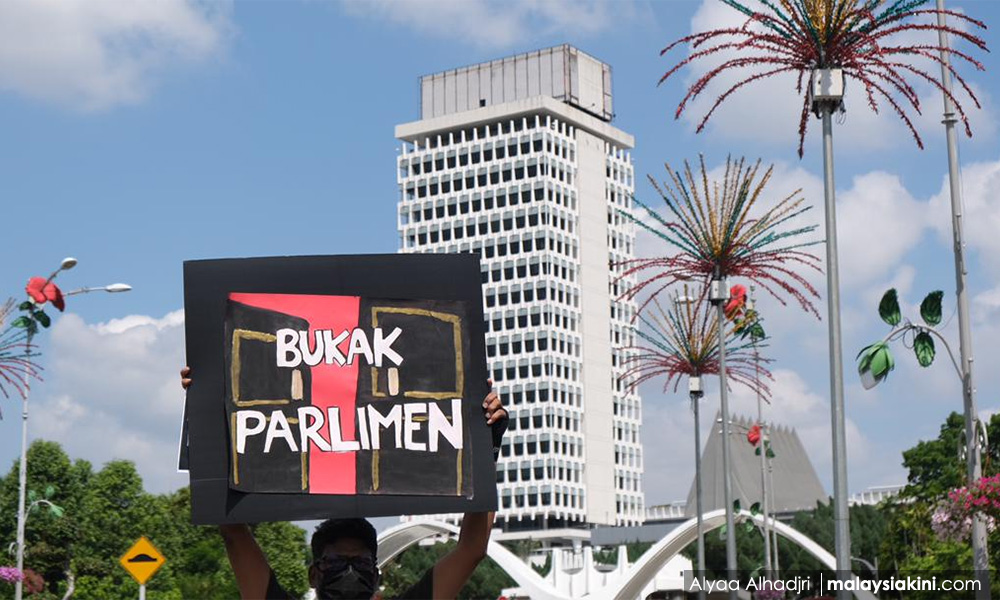
Activists, journalists, and citizens have to work aggressively to overcome the obstacles they face. They must push back against government abuses in new ways, in utilising online platforms to engage with expanded audiences and form new partnerships.
Journalism has received a boost in some locations as people seek out information related to the health situation. Many journalists are risking their own freedom and safety in order to report on the coronavirus and subsequent government abuses. Courts and legislators are also providing checks on excessive power and abuses in certain cases.
In Malaysia, we have not reached the levels seen in countries like Cambodia, Sri Lanka and Russia but it is crucial for everyone to come together united to stand against any attack on democracy. In a democracy, the law protects the rights of the citizens.
People need to make known their displeasure at any attempt at enacting laws that fetter democracy. The new fake news ordinance is an example of an attempt to stifle the people’s right to speech as there are existing laws that could be used against purveyors of fake news.
Yet for every noteworthy attempt to hold the government accountable and to respect political rights and civil liberties, there are numerous other measures that have chipped away at democratic norms and freedoms. Especially in struggling democracies and amid more recent reformers, freedom is fragile and requires constant cultivation.
Proponents of democracy must support one another to ensure that government failures lead to renewed demands for stronger institutions. Otherwise, the deadly Covid-19 pandemic will result in lasting damage to freedom in Malaysia. Malaysians must make their voices heard before it becomes too late.
PRABA KORAN is executive director, Asian Strategy & Leadership Institute (Asli).
The views expressed here are those of the author/contributor and do not necessarily represent the views of Malaysiakini.