
COMMENT | Of nucleic acids and pandemics
COMMENT | In the depths of the last movement control order, one particularly bright piece of reading was the public document released by the Jawatankuasa Khas Jaminan Akses Bekalan Vaksin COVID-19 (JKJAV).
It helpfully communicated the government’s vaccination strategy, including participation in the Covax plan, and listed out the battery of vaccines available to the populace:
- Attenuated (nyahaktif) vaccines: Produced by Sinovac
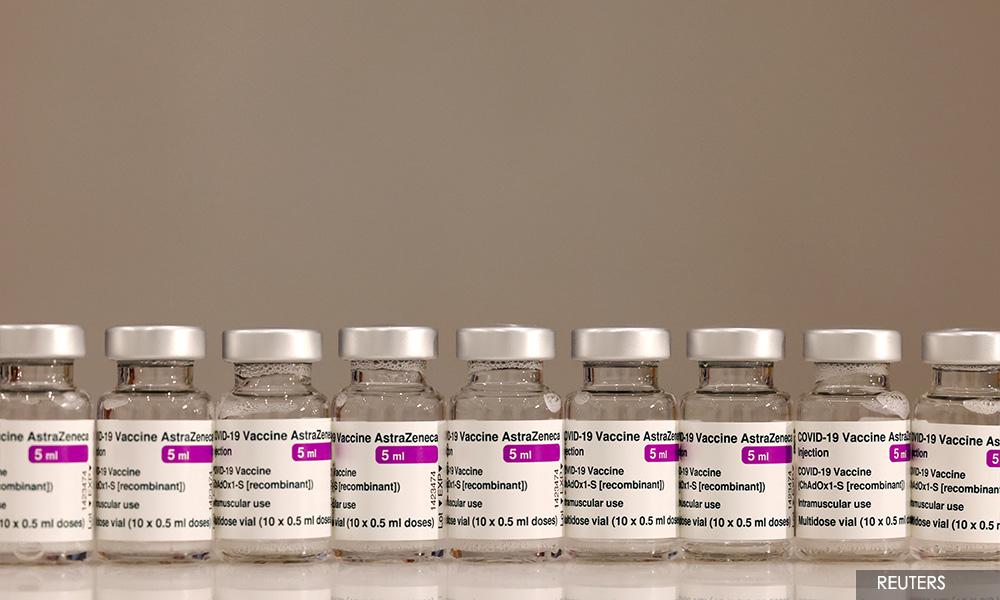
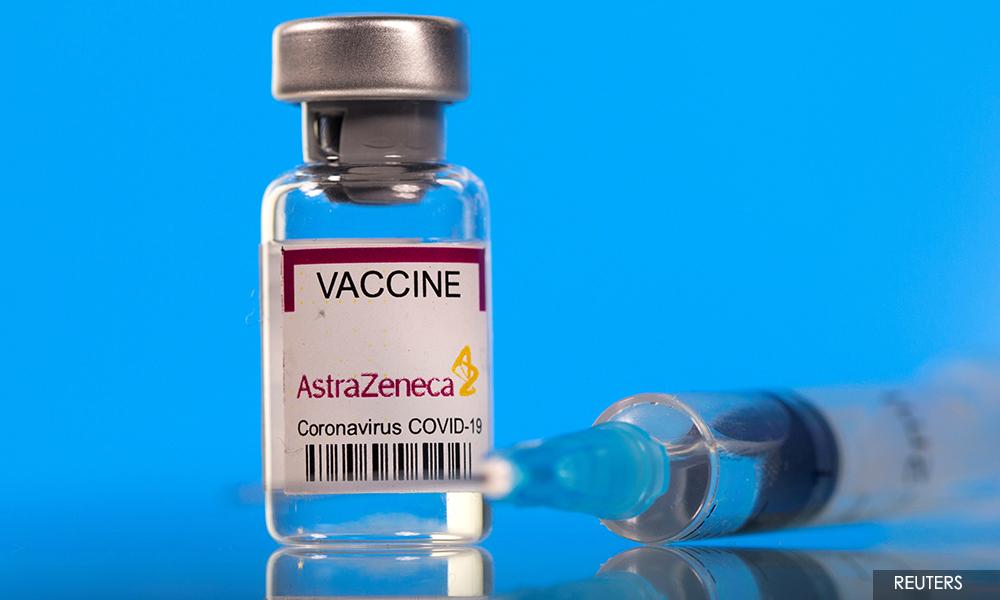
- Viral vector vaccines: Produced by Sputnik V, AstraZeneca and CanSinoBio
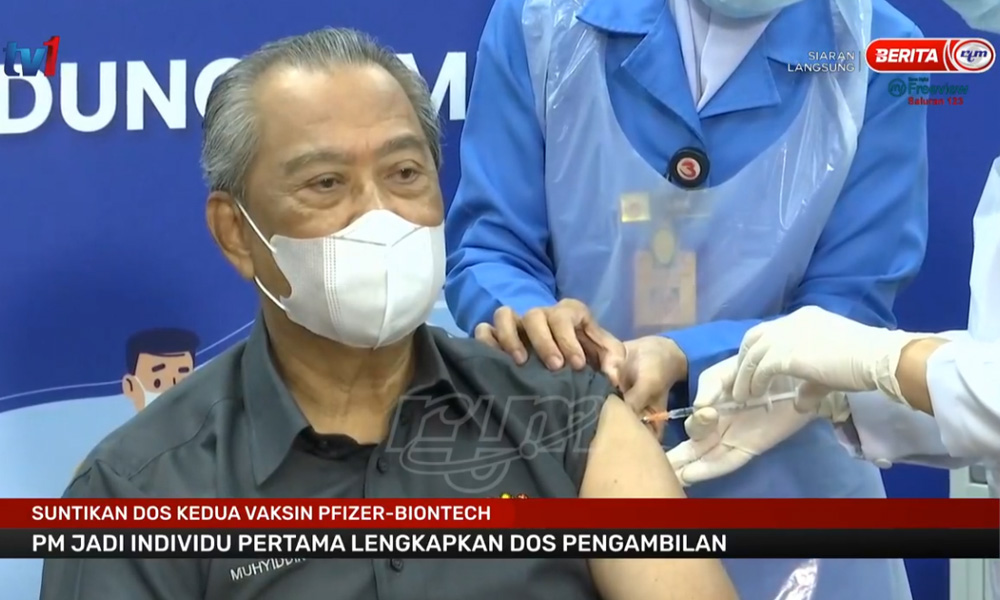
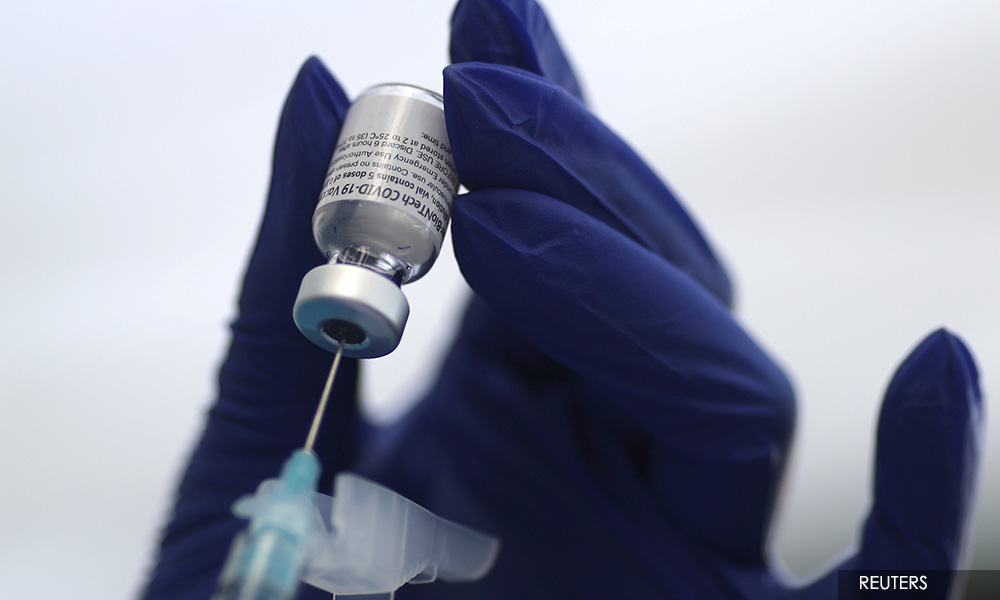
- mRNA vaccine: Produced by Pfizer
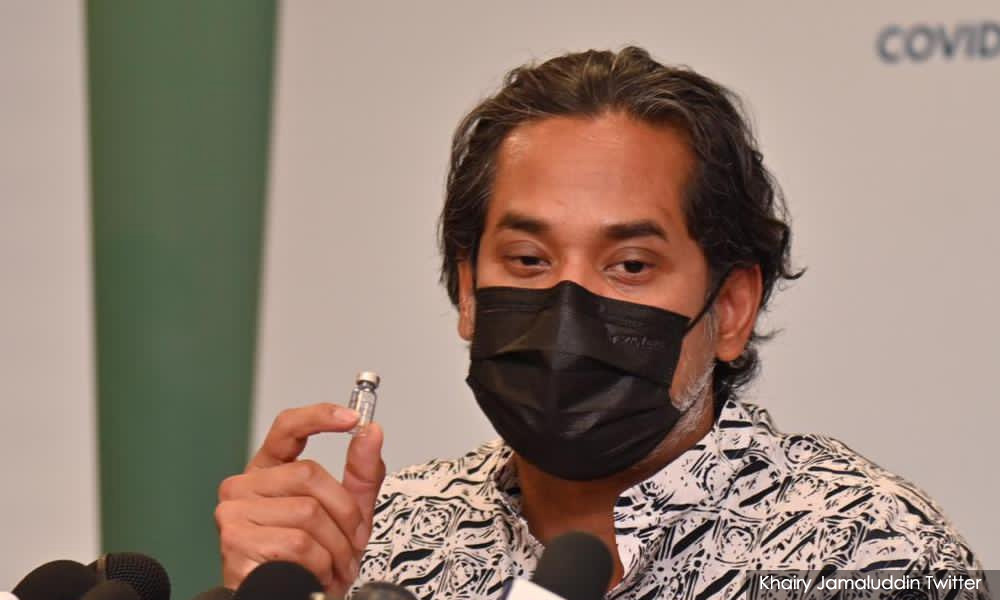
The Pfizer vaccine appears to be the most eagerly anticipated and its efficacy has been backed by solid research. It uses a new strategy: a messenger RNA (mRNA) sequence encoding the spike protein of Covid-19.
This is the first time that a working mRNA vaccine has been approved for clinical use, after many years of development and microscopic technical challenges.
The JKJAV programme attempts to explain how it works: 'Jujukan mRNA yang dimasukkan ke dalam sel individu bagi menghasilkan protein virus yang spesifik [...]' (p. 12). It’s a simple statement but once you dive into the technical aspects, a fascinating picture of the life sciences emerges.
To some degree, we are most familiar with deoxyribonucleic acid (DNA), a biochemical first discovered in 1869, although its actual role in genetics was long a mystery. In the nineteenth century, a ...
COMMENT | In the depths of the last movement control order, one particularly bright piece of reading was the public document released by the Jawatankuasa Khas Jaminan Akses Bekalan Vaksin COVID-19 (JKJAV).
It helpfully communicated the government’s vaccination strategy, including participation in the Covax plan, and listed out the battery of vaccines available to the populace:
- Attenuated (nyahaktif) vaccines: Produced by Sinovac
- Viral vector vaccines: Produced by Sputnik V, AstraZeneca and CanSinoBio
- mRNA vaccine: Produced by Pfizer
The Pfizer vaccine appears to be the most eagerly anticipated and its efficacy has been backed by solid research. It uses a new strategy: a messenger RNA (mRNA) sequence encoding the spike protein of Covid-19.
This is the first time that a working mRNA vaccine has been approved for clinical use, after many years of development and microscopic technical challenges.
The JKJAV programme attempts to explain how it works: 'Jujukan mRNA yang dimasukkan ke dalam sel individu bagi menghasilkan protein virus yang spesifik [...]' (p. 12). It’s a simple statement but once you dive into the technical aspects, a fascinating picture of the life sciences emerges.
To some degree, we are most familiar with deoxyribonucleic acid (DNA), a biochemical first discovered in 1869, although its actual role in genetics was long a mystery. In the nineteenth century, a German monk, Gregor Mendel, was working out the basic principles of inheritance, based on his studies of pea plants.
However, his work was relatively obscure and only much later connected to DNA. DNA is made of sugars, phosphates and nitrogenous bases. Two bases of opposite strands pair with each other in a specific combination to give DNA its double helix form.
All genetic variations in humans come down to the replication (and rare mutations) of our DNA. It contains our genes: sequences that will be used to produce proteins (workers) in the cell.
Ribonucleic Acid (RNA), meanwhile, is almost identical to DNA, but it is a more reactive biochemical. While DNA is remarkably stable, the (usually) single-stranded RNA is not. RNA in living cells is produced by transcribing the DNA, and it takes on a variety of forms and shapes.
It is useful to think of RNA as a workhorse chemical, of varying lengths and purposes, playing various roles within the cell. mRNA is just one type!
Our DNA is trapped inside a compartment known as the nucleus and the machinery that makes proteins are situated outside. This is when mRNA “translates” the information from DNA. The mRNA is effectively a “copy” of the information from the DNA, and it can be read by the machinery, which then produces proteins.
In the case of the Pfizer vaccine, it contains the mRNA with information on the Covid-19 virus’s spike protein. Once the mRNA inside the vaccine has entered the cells, the machinery inside the cells are able to produce these spike proteins and exhibit them outside the cells. This will be eventually detected by our immune cells and they produce antibodies against the spike protein.
Being unicellular, viruses can contain their genetic information either in the form of DNA or RNA. Viruses like Covid-19 are “RNA viruses” and are prone to a greater rate of mutation compared to their DNA counterparts. This is because they lack the ability to repair mutations.
In many respects, a virus is miles away in terms of complexity from simple organisms such as bacteria – and their current status “as being in a grey area between living and nonliving” presents an interesting area of study.
Therefore, a virus can only perform the functions of living cells once it has entered these living cells. They hijack the host’s machinery to reproduce themselves in mass quantities, then spread to another host cell.
This raises various intriguing questions on what it means to be alive. Diving deeper, scientists have asked questions about the development of evolution through genetic means, and this debate remains lively and controversial.
Deadly Spanish Flu
The development of the Covid-19 vaccines has relied heavily on the development of computing power, information technology and the ability to sequence genetic material speedily.
Considering that in the span of several decades, the laborious Sanger sequencing has given way to Next-generation Sequencing (NGS), it is remarkable that we have only endured over a year of suffering.
Compare this to the so-called Spanish Flu pandemic (which was caused by the H1N1 virus) when the mechanisms of viral action and spread were virtually unknown. It was worsened by the Great War, poor communication and a generally divided scientific community which led to the deaths of millions.

In comparison, a great degree of openness and transparency has been at work for scientists these days.
One century ago, the understanding of viruses was minimal even among medical practitioners, but today “citizen scientists” have been recruited into the fight, where the Internet has allowed ordinary non-specialists to donate computing power to help perform calculations, among other fascinating collaborations, even in isolation.
We had our first major taste of international pandemics in 1918 when the Spanish Flu arrived in Malaya. It was commonly believed to have first arrived in Singapore, leading to deaths and much suffering, although it was regarded as being “mercifully short”.
The marginalised sections of society, such as the poor and the Indian plantation labourers, were disproportionately affected. The lack of familiarity with modern medicine (which in itself was still really only in its infancy), crippled transportation services, economic activity and education made the situation worse.
In some cases, it was reported that some even fell by the roadside because they were too ill to make it to the hospital. Perhaps the most significant casualty was Sultan Abdul Jalil of Perak. Yet the health authorities and private citizens responded well by improving hygiene, publicising symptoms and preventative measures and organising grassroots relief measures.
Yet the capacity for disaster has not gone away. And science remains an iterative process, one building block at a time. Therefore, it is important to rely, more now than ever, on the empirical lessons, tried and tested, to best navigate our way forward.
WILLIAM THAM WAI LIANG is an editor at Gerakbudaya and the author of two novels. His new novel, The Last Days, is set in 1981 and covers the continuing legacy of the Emergency. His first book, Kings of Petaling Street, was shortlisted for the Penang Monthly Book Prize in 2017.
The views expressed here are those of the author/contributor and do not necessarily represent the views of Malaysiakini.