
COMMENT | The powers-that-be should take criticism on the chin
COMMENT | It is doubtful that any Malaysian leader or head of department will survive the withering gaze, caustic comments and savage honesty of Simon Cowell on his TV music competition franchise ‘The X Factor’.
Some of our leaders are pompous, preening and over-sensitive. You could throw in other adjectives like boastful, disillusioned and weak. Many live in their ivory towers and are out of touch with the rakyat. They abhor criticism. They are easily offended and hurt by our remarks.
Sadly, supporters of those being criticised are wont to lodge police reports. A few are vexatious litigants. They waste police time and place financial and emotional burdens on the people they litigate against.
Interestingly, Malaysians may also judge their leaders by their over-reaction to comments. Using the law to punish their critics only reinforces the rakyat's views of the establishment.
Why can't Malaysians in positions of power and influence learn to take criticism on the chin? Their role is to serve the people, but more often than not, they give the impression that they are only serving themselves...
COMMENT | It is doubtful that any Malaysian leader or head of department will survive the withering gaze, caustic comments and savage honesty of Simon Cowell on his TV music competition franchise ‘The X Factor’.
Some of our leaders are pompous, preening and over-sensitive. You could throw in other adjectives like boastful, disillusioned and weak. Many live in their ivory towers and are out of touch with the rakyat. They abhor criticism. They are easily offended and hurt by our remarks.
Sadly, supporters of those being criticised are wont to lodge police reports. A few are vexatious litigants. They waste police time and place financial and emotional burdens on the people they litigate against.
Interestingly, Malaysians may also judge their leaders by their over-reaction to comments. Using the law to punish their critics only reinforces the rakyat's views of the establishment.
Why can't Malaysians in positions of power and influence learn to take criticism on the chin? Their role is to serve the people, but more often than not, they give the impression that they are only serving themselves.
The former Perak menteri besar moaned that the state coffers were running low on cash, but that did not stop him from acquiring a new fleet of cars for the state executive committee members and himself.
The problem is that many leaders have huge egos and our comments hit a raw nerve. Leaders should learn not to take things personally.
If you were in a sports team and your coach was to yell at you, you would not take it personally even though he may sound harsh when he dispenses advice.
When you are at a football match and you scream abuse at the referee for being blind because he did not see a foul being committed behind his back, the referee does not take the insult as a personal slight.
Some Malaysian leaders should try to walk in the shoes of DAP leaders, the non-Malays, or Malay women who are outspoken. These three groups of people are lambasted on a daily basis with threats, including death, physical harm and rape.
So, why do people criticise? More importantly, why are some people upset by criticism? And how should one deal with criticism?
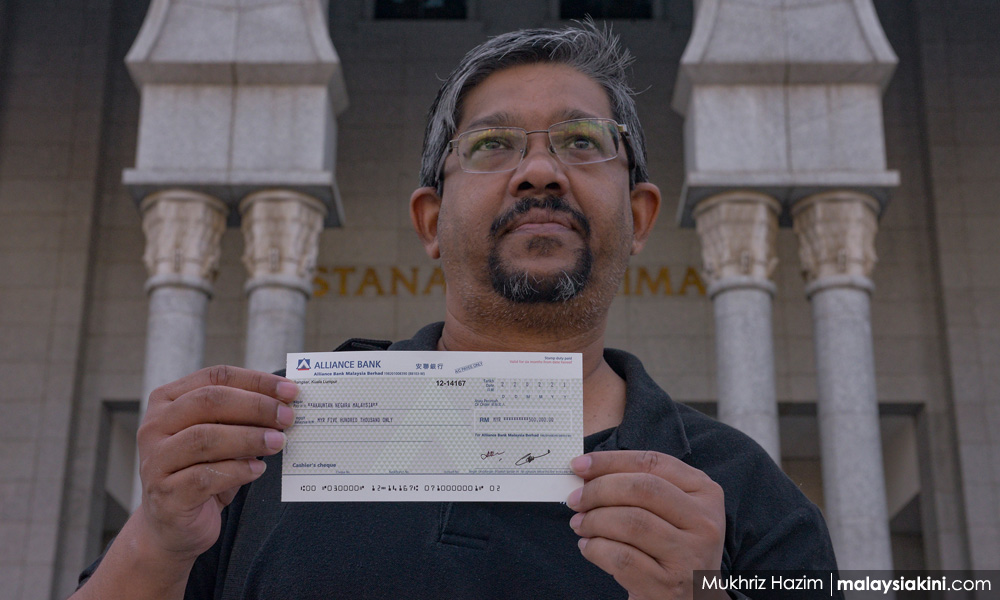
Last week's court action and fine against Malaysiakini prompted the convicted felon, Najib Abdul Razak, and other Umno Baru leaders to express their disquiet and fears about press freedom.

The irony is that in past years, Najib had also punished the media and in one instance, deported two Australian reporters for asking questions about 1MDB. He had something to hide.
Ahmad Zahid Hamidi has threatened Malaysiakini reporters, and like Khairy Jamaluddin, has banned the paper from covering some of his events. The irony is that Khairy's alma mater champions free speech, but apparently, he does not.
Thugs aligned with Umno Baru have also harassed Malaysiakini reporters by gathering in a hostile manner outside the website's gates.
How many people pour over readers' comments with a fine-tooth comb? Former police chief Khalid Abu Bakar would boast that he had a huge team monitoring our tweets. If only he spent the resources on capturing criminals.
The irony in last week's Malaysiakini charge is that if the attorney-general had not felt slighted by the readers' comments, in an article published on June 9, 2020, few Malaysians would have known, or cared, about them.
He brought our attention to the debacle, but more importantly, by using the law to punish the website, he has merely confirmed the rakyat's suspicions about our justice system.
What if cyber-troopers with false identities and malicious intent had been told to make the comments just to get someone into trouble? What then? Nothing is impossible in Malaysia.

Many readers' comments do offer constructive criticism or give a better insight into some issues because of the person's experience or knowledge of what is being reported. Censoring or not publishing comments is detrimental to a vibrant democracy.
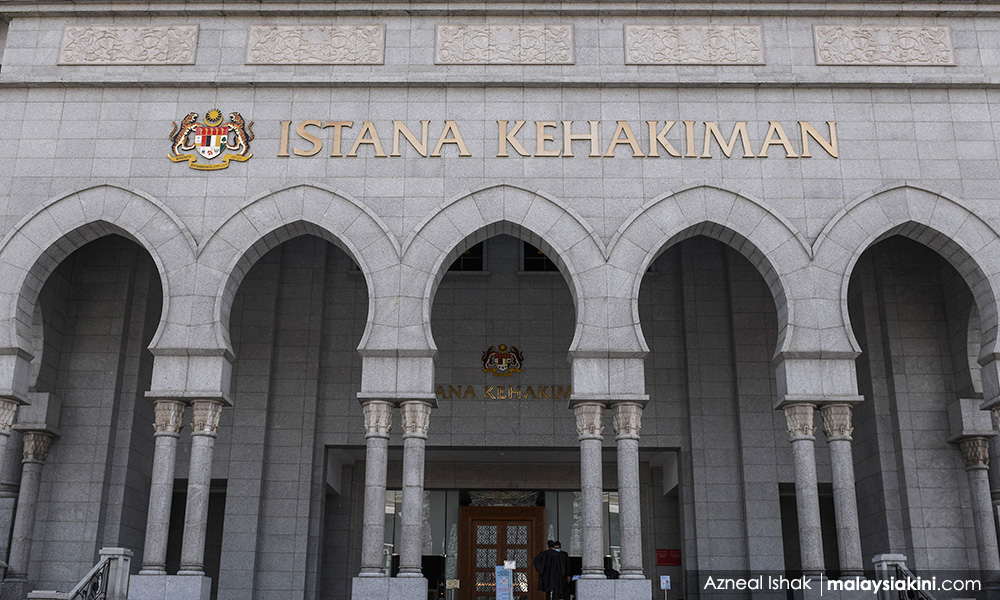
The five readers comments had allegedly insulted the judiciary, or to be more exact, the AG.
The action against Malaysiakini reinforced some of the rakyat's beliefs. Cast your mind to Court of Appeal Judge, Hamid Sultan Abu Backer, who had alleged wrongdoings by the judiciary.
Suspending Hamid till he retires at the end of this year, and redacting parts of his statement has merely reinforced what Hamid said, and what the rakyat already suspects.
One does not silence the critics by oppressing them, because the critics will find a way to make their feelings known.
Ignoring the critics may reduce the sting of the attacks, but may not silence them.
The best way to deal with critics is to prove them wrong. Therefore, it is a pity that Hamid's allegations will not be fully investigated. This would have been the perfect opportunity for the judiciary to ensure the trust of the rakyat.
MARIAM MOKHTAR is a defender of the truth, the admiral-general of the Green Bean Army and president of the Perak Liberation Organisation (PLO). Blog, Twitter.
The views expressed here are those of the author/contributor and do not necessarily represent the views of Malaysiakini.