
COMMENT | Vaccines are a global public good
COMMENT | It has been a year since the Covid-19 disease became a worldwide pandemic. Already more than 2.2 million people have died of this new infection. On all continents, every single country in the world is affected, some more severely than others, but all face the same challenges with a direct impact on public health and economic and social development.
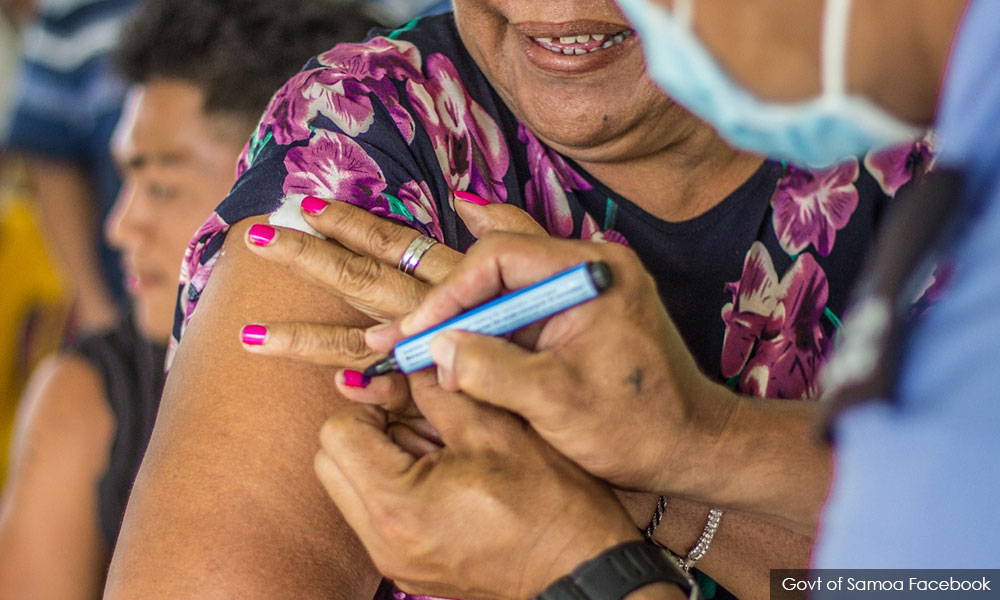
In a major feat, medical research has strained every sinew and managed to develop vaccines in a record-breaking time. Still, problems remain - first and foremost is the issue of the equitable and universal access to vaccines.
In an effort to solve this issue, France, Germany, the European Union and the World Health Organisation came together to launch an initiative called the ”Access to Covid-19 Tools Accelerator” (Act-A).
It brings together governments, scientists, businesses, civil society, philanthropists and global health organisations. It aims at ensuring universal and equal access to tests, treatments and vaccines against Covid-19 while supporting national health systems.
The Covax Facility comes under this initiative and is dedicated to vaccines. It is the only global initiative that is working with governments and producers to ensure Covid-19 vaccines are available worldwide to both higher-income and lower-income countries.
Encouraging results have been achieved with US$10 billion already raised, which will allow for the delivery of vaccines and the launch of the first vaccination campaigns in member countries, including some lower-income countries, by the end of this month.
As part of its national procurement strategy, Malaysia ...
COMMENT | It has been a year since the Covid-19 disease became a worldwide pandemic. Already more than 2.2 million people have died of this new infection. On all continents, every single country in the world is affected, some more severely than others, but all face the same challenges with a direct impact on public health and economic and social development.
In a major feat, medical research has strained every sinew and managed to develop vaccines in a record-breaking time. Still, problems remain - first and foremost is the issue of the equitable and universal access to vaccines.
In an effort to solve this issue, France, Germany, the European Union and the World Health Organization came together to launch an initiative called the ”Access to Covid-19 Tools Accelerator” (Act-A).
It brings together governments, scientists, businesses, civil society, philanthropists and global health organisations. It aims at ensuring universal and equal access to tests, treatments and vaccines against Covid-19 while supporting national health systems.
The Covax Facility comes under this initiative and is dedicated to vaccines. It is the only global initiative that is working with governments and producers to ensure Covid-19 vaccines are available worldwide to both higher-income and lower-income countries.
Encouraging results have been achieved with US$10 billion already raised, which will allow for the delivery of vaccines and the launch of the first vaccination campaigns in member countries, including some lower-income countries, by the end of this month.
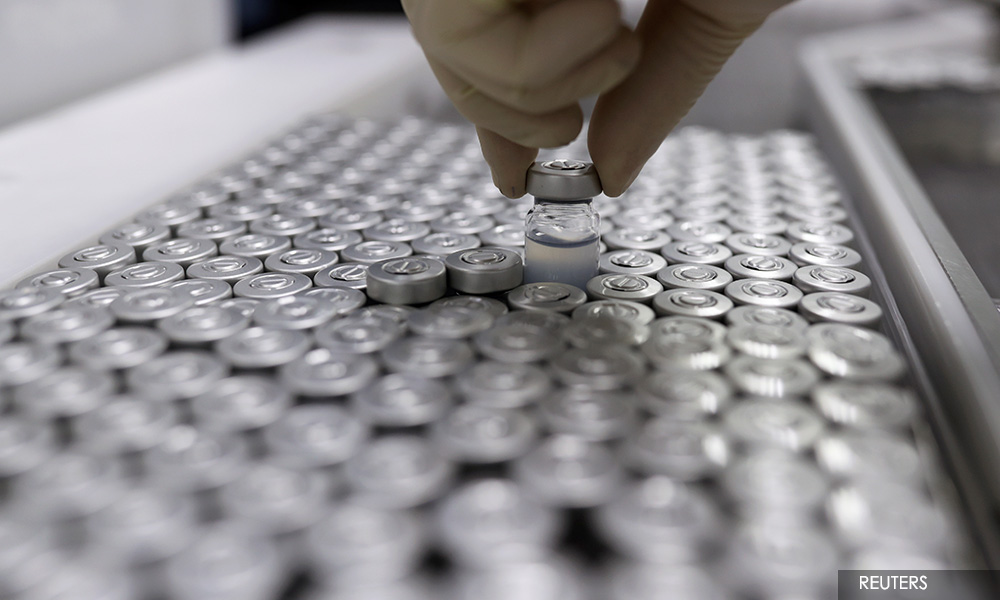
As part of its national procurement strategy, Malaysia has joined Covax‘s procurement platform and placed a self-financed order for 6.4 million doses of vaccine to cover 10 percent of its population. Covax grants access to a portfolio of vaccines under very attractive conditions.
But much remains to be done as an estimated US$27.2 billion is still needed to fund the initiative before the end of 2021. In particular, pillars dedicated to treatments, diagnoses and support for health systems – which are indispensable – still lack nearly 90 percent of their funding.
The European Union is one of the world’s strongest supporters with €850 million (US$1 billion). The new US administration seems ready to contribute in a meaningful way through financial support, but contributions from all horizons are needed, including from other major vaccine producing countries. To be sure, innovative funding solutions are also needed to rise up to the challenge.
The European Union stands for vaccine cooperation, not competition. This is clearly a matter of equity and justice. But it is equally an issue of efficiency: no one will be safe until everyone is safe.
So, rather than using vaccine access as a lever for political or economic advantage, let us all band together and work together through international cooperation initiatives such as Act-A!
If there is one lesson to be learned from this pandemic, it is that we need to stand together to return not just to a “new normal” but to a “better normal” for all of us.
ROLAND GALHARAGUE and PETER BLOMEYER are the ambassadors of France and Germany to Malaysia, respectively.
The views expressed here are those of the authors/contributors and do not necessarily represent the views of Malaysiakini.