
China using anal swabs to test for Covid-19
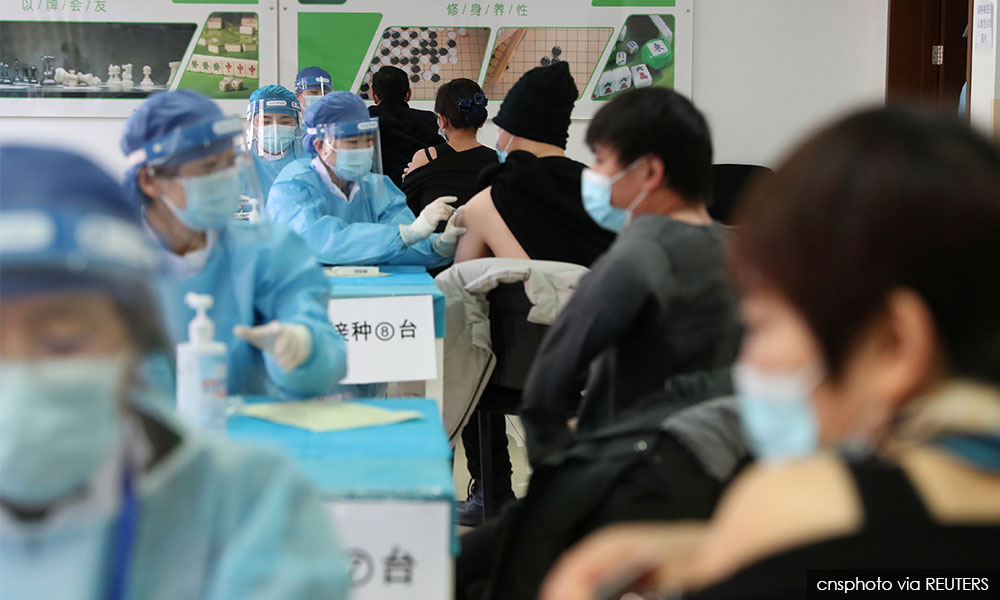
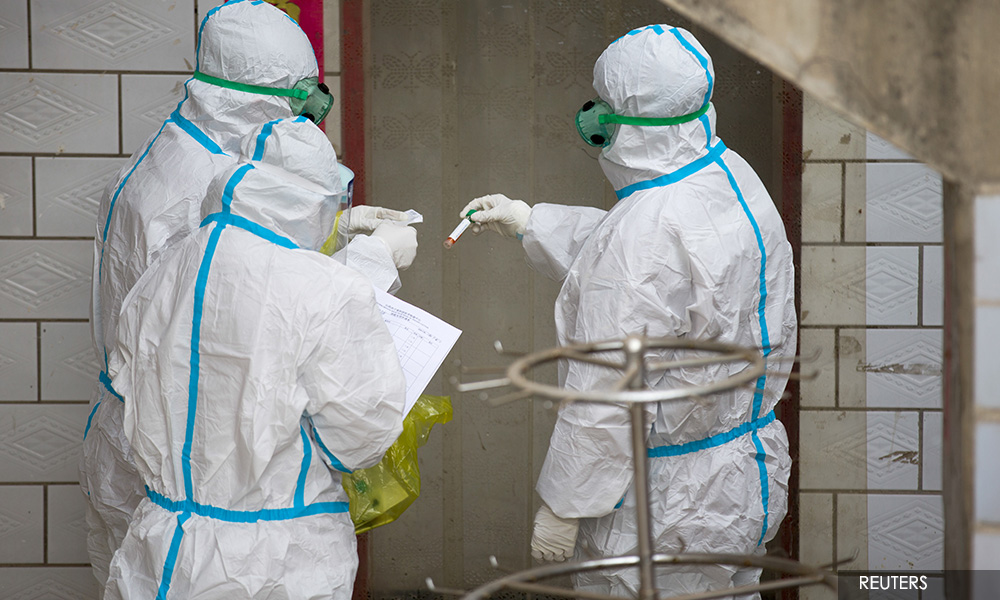
Some Chinese cities are using samples taken from the anus to detect potential Covid-19 infections as China steps up screening to make sure no potential carrier of the new coronavirus is missed amid regional outbreaks and ahead of the Lunar New Year holidays.
A throat swab on a 52-year-old man in Weinan, a city in northern Shaanxi province, showed negative results after the person showed symptoms such as coughing and appetite loss, a city official said on Wednesday, but he tested positive using nose and anal swabs...
Anal swabs require inserting a cotton swab 3-5cm into the anus and gently rotating it.
Some Chinese cities are using samples taken from the anus to detect potential Covid-19 infections as China steps up screening to make sure no potential carrier of the new coronavirus is missed amid regional outbreaks and ahead of the Lunar New Year holidays.
A throat swab on a 52-year-old man in Weinan, a city in northern Shaanxi province, showed negative results after the person showed symptoms such as coughing and appetite loss, a city official said on Wednesday, but he tested positive using nose and anal swabs.
The person, who had been put in a centralised facility for medical observation as a close contact of another carrier earlier this month, was then confirmed as a Covid-19 patient, the official told a news conference.
Anal swabs require inserting a cotton swab three to five centimetres into the anus and gently rotating it. Last week, a Beijing city official said that anal swabs were taken from over 1,000 teachers, staffers, and students at a primary school in the city after an infection had been found. Their nose and throat swabs and serum samples were also collected for testing.
Additional tests using anal swabs can avoid missing infections, as virus traces in faecal samples or anal swabs could remain detectable for a longer time than in samples taken from the upper respiratory tract, said Li Tongzeng, a respiratory and infectious disease doctor in Beijing city.
He told state TV last week that such samples are only necessary for key groups such as those under quarantine.
Stool tests may be more effective than respiratory tests in identifying Covid-19 infections in children and infants since they carry a higher viral load in their stool than adults, said researchers at the Chinese University of Hong Kong in a paper published last year.
- Reuters