
COMMENT | Malaysia's three kingdoms in GE15 war
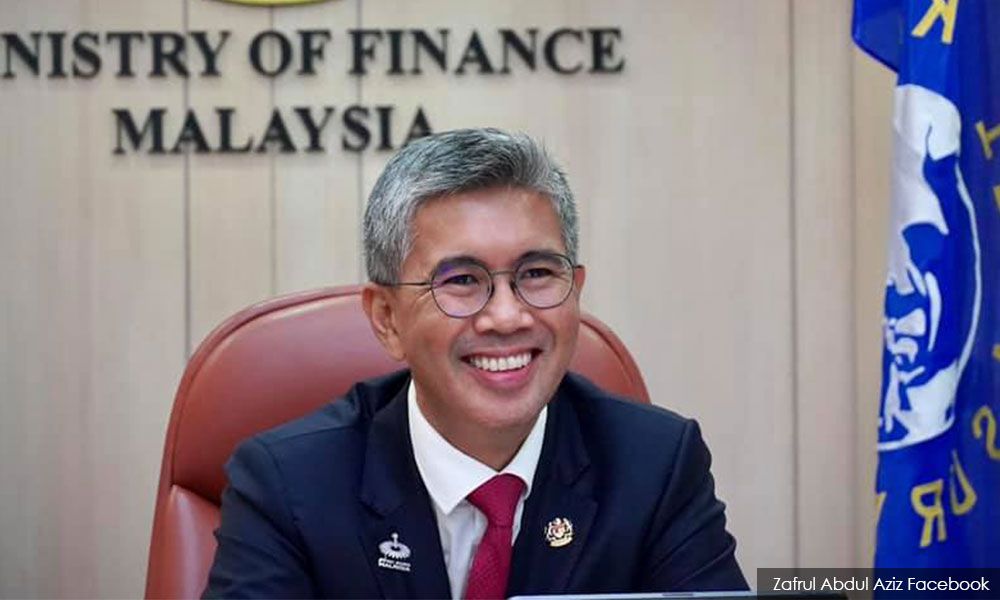
COMMENT | The only way out of the current political quandary is for Prime Minister Muhyiddin Yassin to call for a general election. However, the timing is wrong. Right now, during the Covid-19 pandemic, protecting lives comes first.
Yet, an election will come, sooner or later. We need to prepare for it. To understand the current political chaos, we have to appreciate a three-kingdom situation, whether in terms of political coalitions or voting blocs.
The Three Kingdoms from 220 to 280 AD were the tripartite division of China among the states of Wei, Shu, and Wu. The Chinese legend tells the epic story of savage competitions among the three states, all claiming to unite the nation. In both fact and fiction, it is a tale of political coalitions, diplomacy, and trickery amidst a lot of plot twists.
Evolution of coalitions
Malaysians were used to the dominance of a single political hegemon, in the form of the Alliance and later BN, from the 1959 general election to the 2008 political tsunami.
By 2008, a direct confrontation between two coalitions emerged until the Sheraton coup in February 2020 which toppled the newly elected Pakatan Harapan federal government. Now we have entered a three-way fight which is expected to last for quite a while, at least until the dust settles after the next general election...
BN, PN and Harapan are the main players in the coming GE15.
COMMENT | The only way out of the current political quandary is for Prime Minister Muhyiddin Yassin to call for a general election. However, the timing is wrong. Right now, during the Covid-19 pandemic, protecting lives comes first.
Yet, an election will come, sooner or later. We need to prepare for it. To understand the current political chaos, we have to appreciate a three-kingdom situation, whether in terms of political coalitions or voting blocs.
The Three Kingdoms from 220 to 280 AD were the tripartite division of China among the states of Wei, Shu, and Wu. The Chinese legend tells the epic story of savage competitions among the three states, all claiming to unite the nation. In both fact and fiction, it is a tale of political coalitions, diplomacy, and trickery amidst a lot of plot twists.
Evolution of coalitions
Malaysians were used to the dominance of a single political hegemon, in the form of the Alliance and later BN, from the 1959 general election to the 2008 political tsunami.
By 2008, a direct confrontation between two coalitions emerged until the Sheraton coup in February 2020 which toppled the newly elected Pakatan Harapan federal government. Now we have entered a three-way fight which is expected to last for quite a while, at least until the dust settles after the next general election.
Malaysian politics started with a big bang in 2021 - almost all Umno divisions rejected the party’s collaboration with Muhyiddin’s Perikatan Nasional (PN) government.
After betraying Harapan, on March 1, 2020, Muhyiddin became premier by cobbling together a make-shift coalition of parties and renegade MPs through the political coup to constitute a bare majority. His government had a maximum of 114 MPs out of 222 seats in Parliament.
The coup coalition is fundamentally unstable with Muhyiddin’s own Bersatu having only 31 seats, of which six were won in the 2018 election, 15 were from Umno crossovers after the election, and 10 were from Azmin Ali’s ex-PKR faction.
They were joined by Islamist PAS with 18 seats, supported by Gabungan Parti Sarawak (GPS) with 18 seats, BN's 42 (with Umno's 39 seats), and several other MPs. (One Umno MP has recently passed away.)
Umno/BN has refused to officially join the PN coalition; hence the ruling government consists of two coalitions - PN and BN.
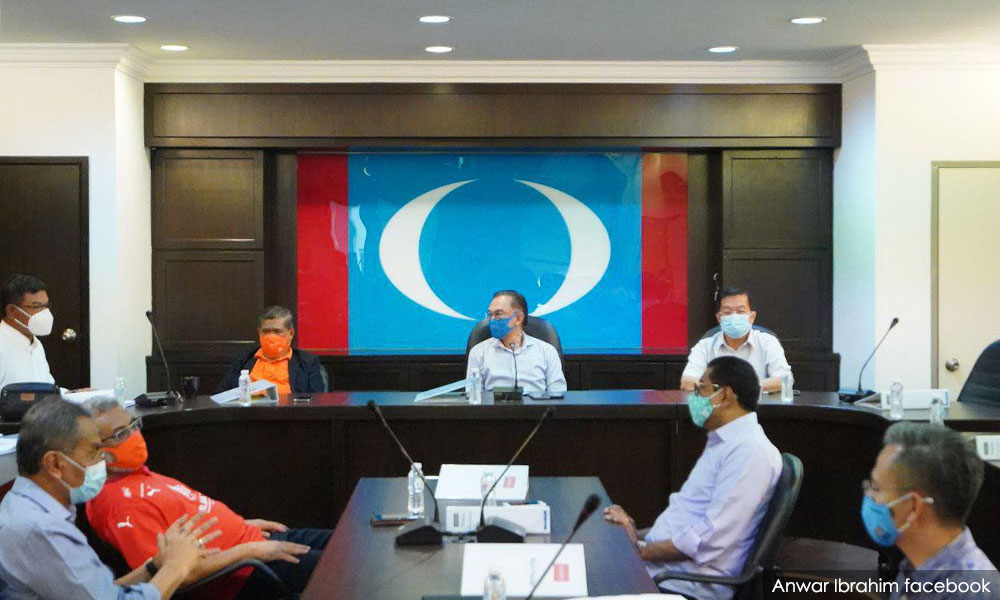
The opposition’s biggest bloc is Harapan which officially consists of Anwar Ibrahim’s PKR with 38 seats, DAP (42), and Amanah (11). From Sabah, Shafie Apdal’s Warisan has eight seats while Upko has one. Dr Mahathir Mohamad’s yet-to-be-registered Pejuang has four seats while two of his former protégés Syed Saddiq Abdul Rahman and Maszlee Malik are looking for new political vehicles.
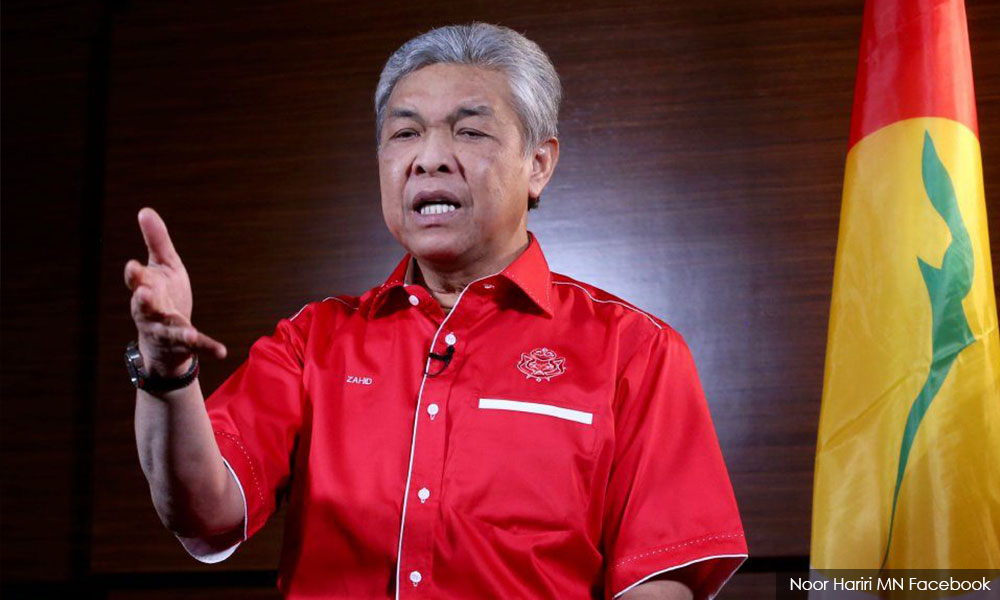
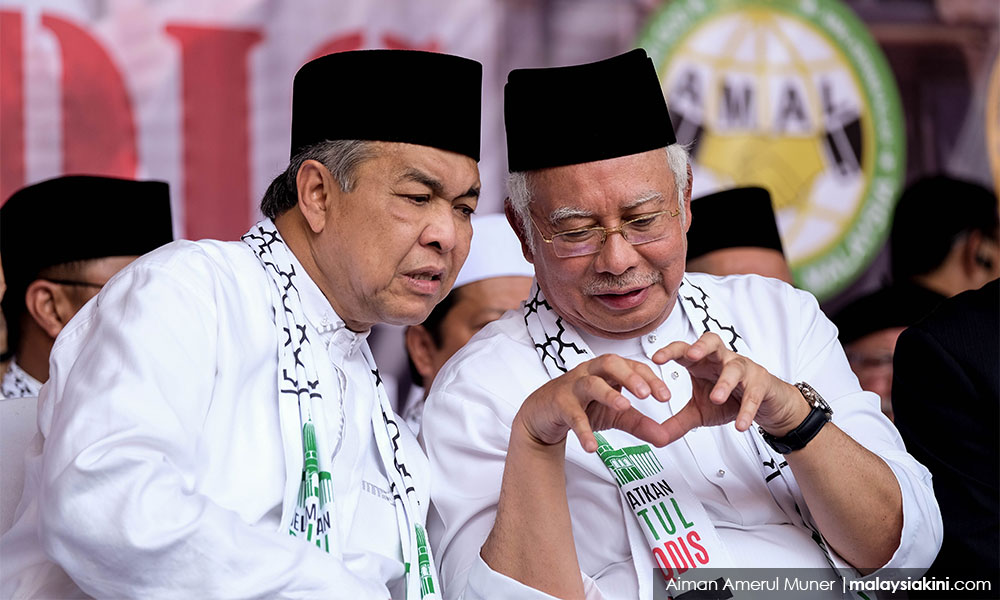
Anwar is inclined to work with Umno's Najib Razak and Ahmad Zahid Hamidi to form a new government but DAP and Amanah are not comfortable with the idea. DAP and Amanah prefer that all on the opposition bench should unite as one bloc before negotiating with others.
When election comes
To conceive Malaysian politics from now on requires us to think in a three-kingdom framework.
In terms of coalitions, there are now three coalitions:
1. PN under Muhyiddin
2. BN under Najib/Zahid; and
3. Pakatan Harapan Plus under Anwar/Shafie/Mahathir.
What are the possible scenarios when the general election is called? Whether the Muhyiddin government survives in the short term, it is very likely that Umno will run against Bersatu.
PAS is more comfortable with Bersatu. It wants greater dominance in Kelantan, Terengganu, Kedah, and Perlis. Since the split of PAS in 2015 which saw the departure of its more moderate faction, the current party leadership has no intention to win seats in the west coast's mixed-ethnic seats and aims to become the kingmaker in national politics by winning as many seats in the ‘Malay belt’.
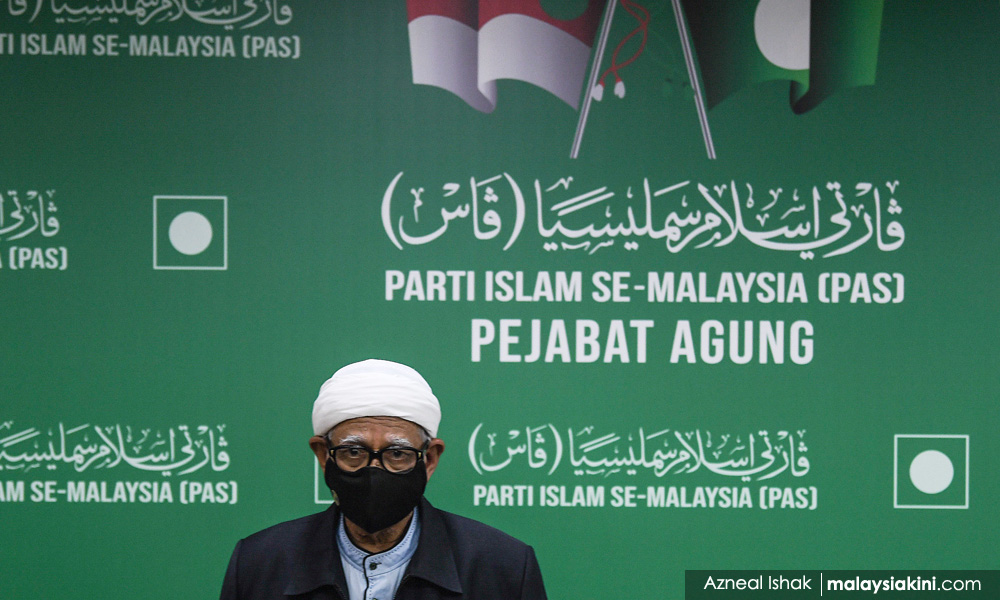
Bersatu would be able to concede almost all seats in these states to PAS as Bersatu is weak, anyway. Umno, however, would not give up the Malay belt seats to PAS as Umno members in those states would not allow the leadership to do so.
Umno is still very much led by Zahid and Najib with little remorse and without any reform agenda despite its defeat in GE14. There are talks of an Umno resurgence but it is more about mobilising against Muhyiddin and Bersatu in times of economic hardship.
While Umno has gained some ground, it is very much at the expense of the PN government which BN is indirectly part of.
However, Zahid and Najib are still toxic to middle-ground Malay voters, not to mention the wider national population. Either Umno steps up to reform and promote a new leadership or there will still be a huge vacuum to be filled by other forces.
I don’t rule out the possibility that Umno may embark on a journey of removing Zahid and Najib, and dealing with its lack of integrity in a serious manner. But so far, that is not happening.
In such a three-kingdom scenario lies a huge vacuum for a resurgent opposition grand coalition to fill.
The possible outcomes
In terms of voting blocs, of the 165 parliamentary seats in the peninsula, 65 are strongholds of the grand opposition that brings together strong non-Malay support and a significant level of Malay votes in some select geographical areas. Of the 65 seats, 55 had been won in 2008, 2013, and 2018 while another 10 were won in 2013 and 2018. The grand opposition is likely to retain these seats.
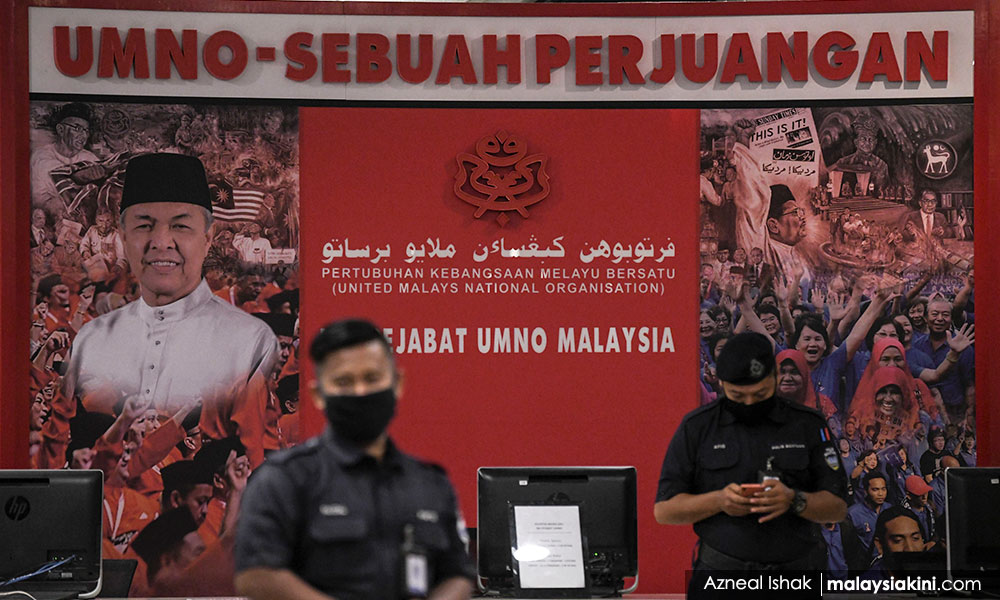
Umno, even at its lowest ebbs when voters’ hatred against Najib and his wife Rosmah Mansor was collapsing on it, managed to win 54 seats in the peninsula in GE14. It was Umno's worst-case scenario. Therefore, the remaining 46 seats in the peninsula are the swing seats that would determine the future of Malaysia.
If the grand opposition could win another 35 on top of the 65 seats, i.e. winning 100 seats in the peninsula, it will reach the minimum 112 seats to form a majority government with the help of seats from Sabah and Sarawak.
Right now, we are facing a three-kingdom scenario where the grand opposition should begin thinking about the 65-seat voting bloc it has in the peninsula. It must devise a strategy to become the largest bloc in a three-way election.
Even if Umno, Bersatu, and PAS are on the path towards a civil war, the grand opposition should remember one thing: do not give Zahid and Najib a free pass to walk away from prison. It’s difficult to forgive them for the damage they had done to our beloved country.
LIEW CHIN TONG is a senator and former deputy defence minister.
The views expressed here are those of the author/contributor and do not necessarily represent the views of Malaysiakini.