
Your guide to Malaysia’s bets in the Covid-19 vaccine race
KINIGUIDE | How the govt is choosing vaccines, how will Malaysians pay for them, and more.
- UPDATED 9PM | AstraZeneca has announced some findings from its Phase III trial.
KINIGUIDE | As preliminary results trickle in from late-stage Covid-19 vaccine trials, Malaysia is also negotiating deals to secure enough doses to immunise its population against the disease.
The government has signed a five-year deal with China that would, among others, provide priority access to vaccines developed in China once they become available.
It is also fixing a date to sign the Optional Purchase Arrangement for the Covid-19 vaccine Global Access Facility (Covax) at the cost of a US$22.66 million (RM94.08 million) down payment.
Additionally, the Health Ministry said it is evaluating 10 out of the 11 Covid-19 vaccine candidates that are currently in Phase III clinical trials.
In this instalment of KiniGuide, we give a rundown of the vaccine candidates in the running, and how Malaysia is moving to ensure an adequate supply of the highly demanded resource.
When can I get one?
According to Health Minister Dr Adham Baba, Malaysia hopes to acquire the vaccines and make it available for use by the first quarter of next year.
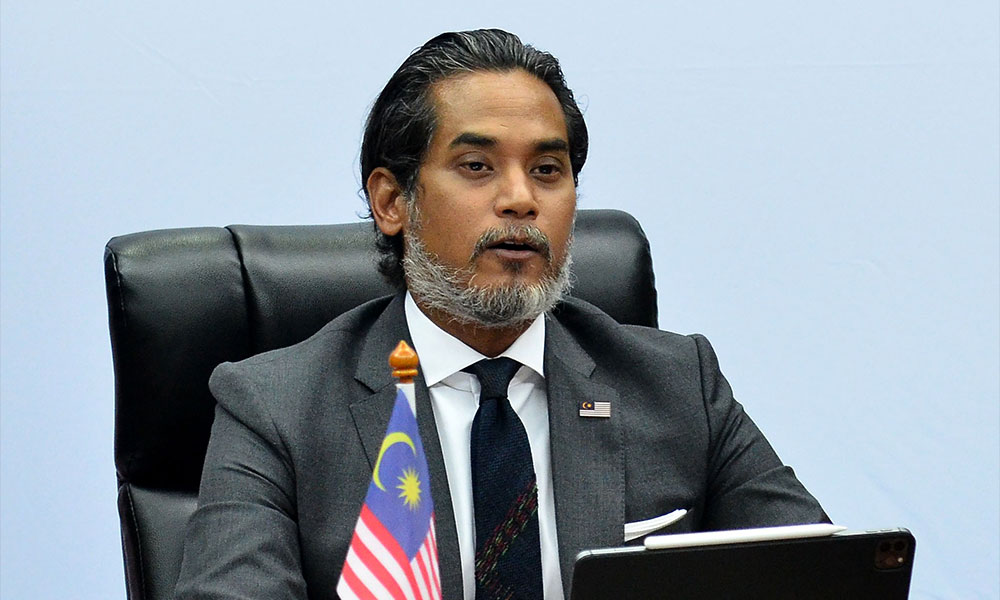
Science, Technology, and Innovation Minister Khairy Jamaluddin, who co-chairs a special committee with Adham to obtain the vaccines, said the first group to receive the vaccines will be frontliners - namely Health Ministry staff, police, armed forces, Immigration Department, and others.
The second is for high-risk groups, such as individuals with comorbidities and senior citizens. The third group involves the adult population.
He said the details are still being fine-tuned and an announcement will be made in the first quarter of next year.
Modelling vaccine rollout plans is an active area of research, but some studies are suggesting different strategies might be needed depending on whether the goal is to reduce the number of Covid-19 infections, or the number of deaths.
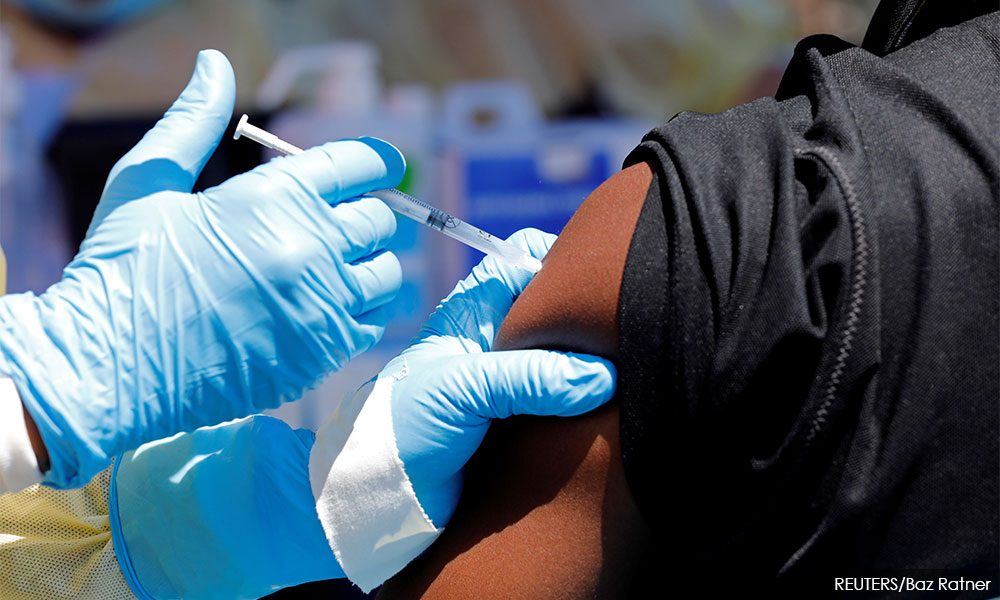
One paper, which has yet to be peer-reviewed, suggested that prioritising those above 60-years-old would give the most impact in reducing Covid-19 deaths, but prioritising young adults instead would reduce Covid-19 transmission.
How many doses do we need?
Khairy said Malaysia aims to immunise at least 70 percent of the population to achieve herd immunity against the disease.
The Department of Statistics forecasted that Malaysia’s population will reach 34.24 million next year, which means 23.97 million people would need to be immunised over a relatively short period of time to reach the goal.
It should be noted that, except for one, all vaccine candidates currently in late-phase trials call for a two-dose regimen that is administered several weeks apart, which means Malaysia would need to procure nearly 48 million doses.
Herd immunity means that a sufficient proportion of the population is immune to a disease - whether through a vaccine or previous exposure to the disease - such that even those who are still vulnerable can enjoy some protection because pathogens cannot spread easily through the population to reach them.
For the record, Malaysia is allocating RM3 billion under the 2021 Budget proposal to procure Covid-19 vaccines.
Is 70 percent enough to achieve herd immunity?
The proportion of a population that needs to be immunised to achieve herd immunity depends on the infectivity of the disease, as measured by its basic reproduction number (R0).
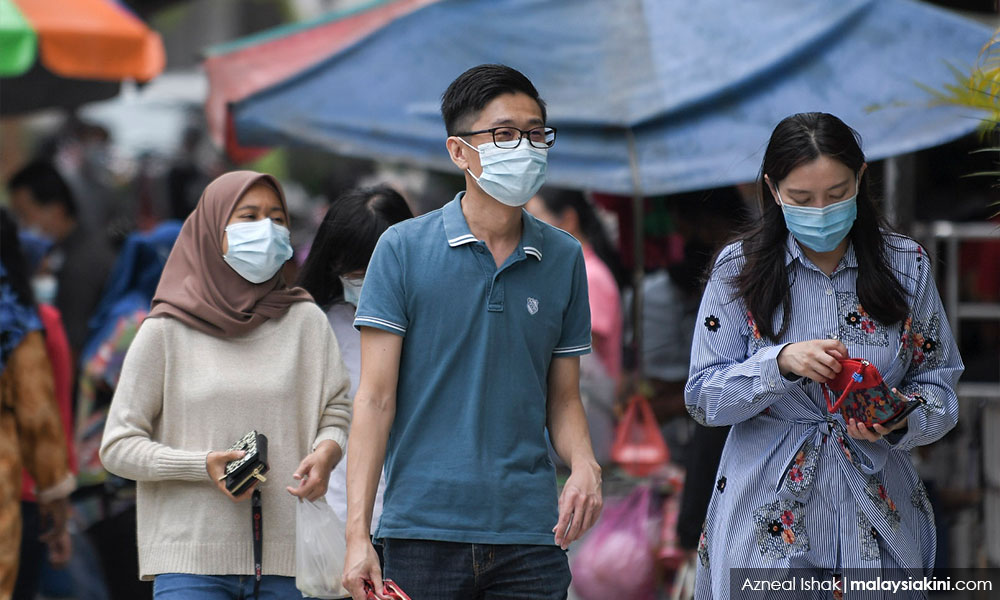
Based on this, the World Health Organisation (WHO) estimated that 65 to 70 percent vaccine coverage would be necessary, but this assumes that the vaccine is 100 percent effective. The proportion needed to be covered would increase if the vaccine turned out to be less-than-perfect.
In addition, there is a degree of uncertainty in the figure because of uncertainty in the R0 for Covid-19, particularly in pre-pandemic conditions when no precaution was taken against the disease.
However, the fact that the first vaccines likely to hit the market do at least confer some degree of individual protection should not be discounted.
What vaccines might we get from China?
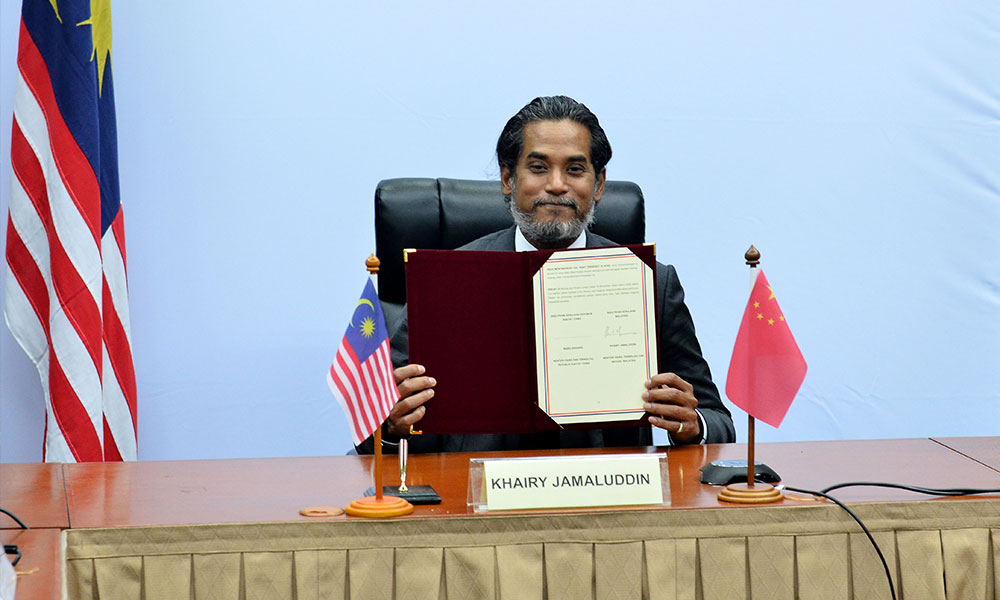
The terms of the agreement with China have not been disclosed, but Khairy said it would entail priority access to Covid-19 vaccines developed by China, knowledge sharing and expertise, as well as to facilitate scientific and technological capabilities to advance vaccine development in both Malaysia and China.
There are, however, at least four China-backed vaccines currently in late-phase trials as of Nov 16 - according to a list compiled by the London School of Hygiene and Tropical Medicine (LSHTM) - and can thus be considered China’s frontrunners in the vaccine race.
One is the Ad5-nCoV vaccine (also known as Convidecia) developed by CanSino Biological Inc and Beijing Institute of Biotechnology. It is in Phase III trials in Russia, Pakistan, and several other countries.
Another is the BBIBP-CorV vaccine developed by the China National Pharmaceutical Group (Sinopharm) and the Beijing Institute of Biological Products.
Sinopharm also co-developed another vaccine with the Wuhan Institute of Biological Products, dubbed the WIBP vaccine.
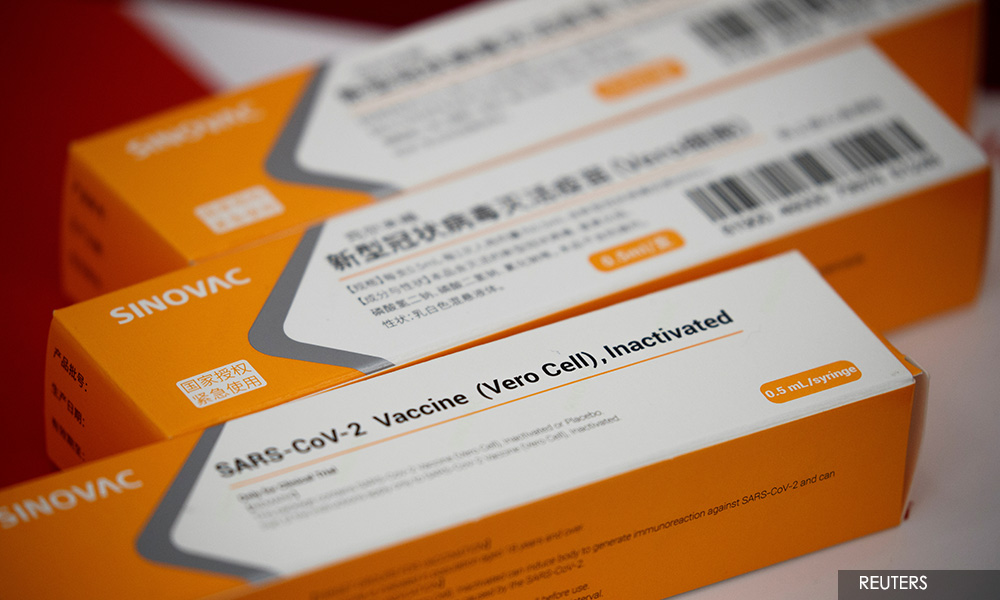
Finally, there is Sinovac Biotech’s experimental vaccine CoronaVac, which just published promising early and mid-stage trial results last week involving over 700 participants.
Late-stage trial results are still needed to assess its efficacy. The trials are still ongoing in Brazil, Turkey, China, and Indonesia.
What is the Covax facility about?
Covax is a collaboration co-led by the WHO, Coalition for Epidemic Preparedness Innovations, and the vaccine advocacy group Gavi.
Its stated goal is to procure 2 billion doses of vaccines by the end of 2021 and to distribute it equitably between participating countries, which it claims to be sufficient to protect frontline workers and high-risk groups. More vaccines would be procured up to 2025.
To do this, it would provide vaccine manufacturers with investments and incentives to ramp up manufacturing capacity long before they receive regulatory approval to sell them as vaccines. This would help ensure there would be sufficient doses if any of its vaccine candidates are proven safe and effective.
In exchange for funding the scheme, self-financing countries such as Malaysia can request enough vaccines from its portfolio to vaccinate between 10 and 50 percent of their population.
According to Khairy, Malaysia seeks to guarantee access for 10 percent of its population through the Covax facility.
What is Malaysia’s involvement in Covax?
Malaysia plans to sign onto the Covax Optional Purchase Agreement (OPA) for an upfront payment of US$22.66 million (RM94.08 million), with more payments to be made later when the vaccines become available.
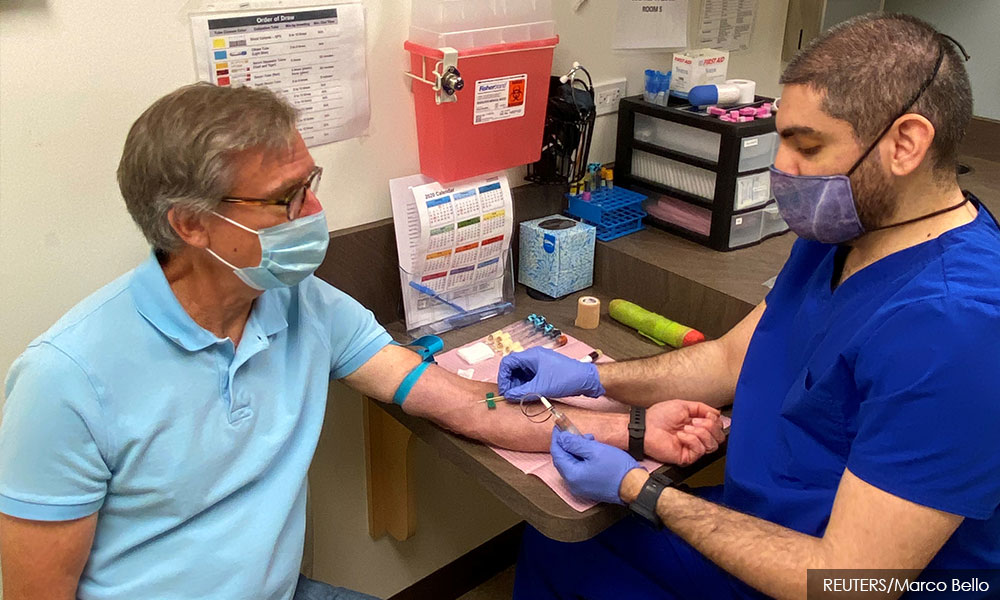
The OPA is the more flexible of the two ways to join Covax but is more costly upfront. The other method is known as the “committed purchase”.
Under the OPA, a participating country can opt-out of receiving any vaccines allocated to it, without jeopardising their ability to receive their full share of doses of other candidates.
“This type of agreement may be more attractive to participants that already have bilateral agreements with manufacturers, through which they may already have secured sufficient doses of that particular vaccine,” Gavi said on its website.
This means Malaysia would have to pay an upfront payment of US$3.10 (RM12.68) per dose instead of US$1.60 (RM6.54) per dose for a committed purchase, in addition to a “risk-sharing guarantee” of US$0.40 (RM1.64) per dose.
However, Gavi said the total cost of the vaccines will be the same whether countries choose a committed purchase or optional purchase.
“As a pass-through facility, participants will pay the amount for the doses that was negotiated by the facility, plus a speed premium invested in accelerating and scale-up of manufacturing, as well as a very small fee for the operation of the facility.
“Some manufacturers will be providing vaccines at flat prices where others will be tiering the prices based upon income levels,” it added.
In a parliamentary written reply on Nov 19, Khairy said the Health Ministry and Gavi are finalising a date to sign the agreement.
What is in Covax’s vaccine portfolio?
According to a WHO press release on Aug 24, there are nine vaccine candidates under the Covax facility, and another nine being considered. These are in various stages of development, but at least three are in the final phases of testing.
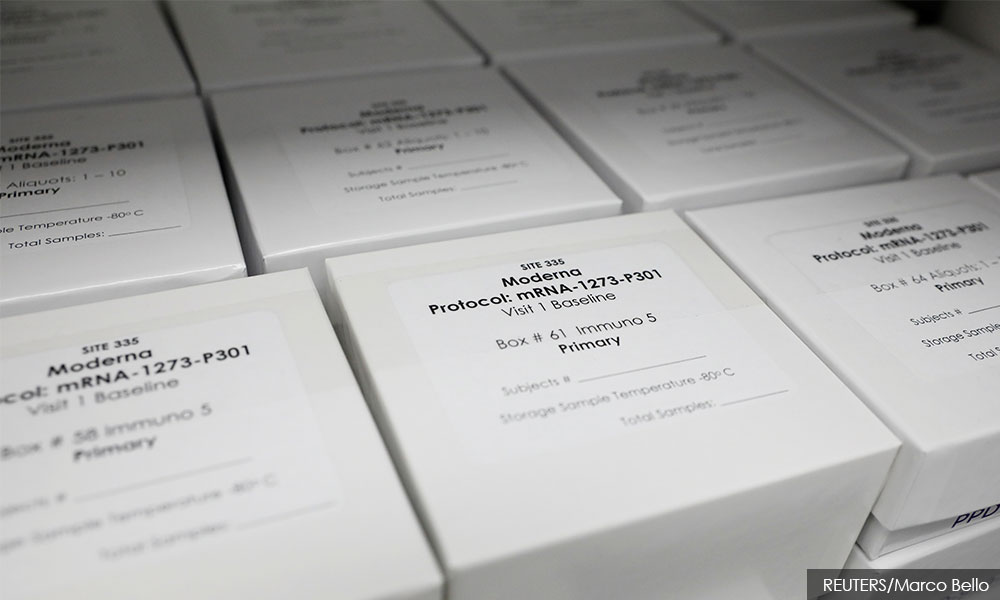
The most promising of these is arguably the US firm Moderna Inc’s mRNA-1273 vaccine candidate (also known as mRNA.O).
On Nov 16, Moderna claimed based on interim data from an ongoing Phase III trial that its vaccine candidate is 94.5 percent effective. It is the third in the world to announce interim results from late-stage Covid-19 vaccine trials.
READ MORE: Shot in the dark: Early Covid-19 vaccine efficacy explained
Another candidate is ChAdOx1 nCoV-19 (also known as AZD1222) that is a collaboration between the University of Oxford and AstraZeneca.
AstraZeneca has announced based on late-stage trails today that it is more than 90 percent effective.
Preliminary findings last week showed that it produced a strong immune response even in older adults.
Also in Phase III is the US firm Novavax’s NVX-CoV2373 vaccine candidate. Novavax expects to report results early next year.
As for the Covax-backed vaccine candidates that have yet to reach Phase III trials, they are developed by Inovio (USA), CureVac (Germany), Institut Pasteur/Merck/Themis (France, USA, Austria), University of Hong Kong (China), Clover Biopharmaceuticals (China), and University of Queensland/CSL (Australia).
What else is Malaysia considering?
In total, Malaysia is in talks with the manufacturers of 10 of the 11 vaccine candidates that are now in late-phase trials – eight directly, and two through Covax.
“The discussion covers aspects of cooperation in various stages of vaccine development such as R&D, exchange of scientists, fill-and-finish development (transfer of technology, logistics, cold chain), including the purchase of vaccines (finished products) as a guarantee of access to vaccine supply for the country,” Khairy told Parliament on Nov 16.
According to a Health Ministry briefing last Saturday (Nov 21), these include seven of the vaccine candidates already mentioned above – Moderna’s mRNA-1273, AstraZeneca/Oxford’s ChAdOx1 nCoV-19, Novavax’s NVX-CoV2373, Sinopharm’s BBIBP-CorV and WIBP, Sinovac’s CoronaVac, and CanSino’s Ad5-nCoV.
In addition to these, Malaysia is also in talks with Pfizer/BioNTech, which has announced final late-stage trial results claiming that its BNT162 vaccine candidate is 95 percent effective.
Malaysia is also in talks with Russia regarding its Sputnik V vaccine candidate, which it claimed, based on interim late-stage trial results, to be 92 percent effective.
And finally, the government is in talks with Johnson & Johnson regarding its Ad26.COV2.S vaccine candidate. The company expects to announce results this year.
Of the 11 vaccine candidates in Phase III trials, the only one not being considered by Malaysia appears to be Bharat Biotech’s Covaxin. It began its Phase III trial just last week, according to a report by The Hindu.
For the record, there are at least 260 Covid-19 vaccine candidates around the world, according to a tally by the LSHTM. However, only 56 were tested in humans, and only 11 have made it to Phase III trials so far.
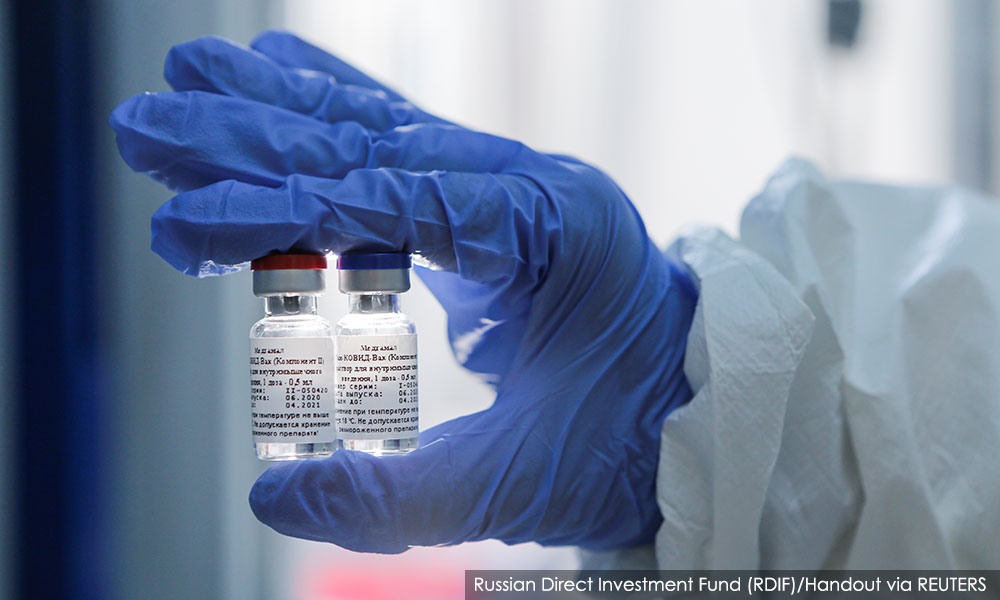
Phase III trials, also known as efficacy trials, is the last stage of testing before a drug or vaccine is considered for regulatory approval to be sold commercially.
What about Malaysian companies?
Several Malaysia-based companies have lined up for deals to bottle or distribute vaccines in Malaysia, but this will be contingent on Health Ministry approval for the vaccine candidates.
The engineering and construction firm Bintai Kinden Corp Bhd had signed a distribution and licensing deal with US-based Generex Biotechnology Corp, but it is unclear whether its vaccine candidate ever entered human trials.
A search for clinical trial databases did not turn up any relevant results.
Pharmaniaga Bhd, meanwhile, said it is prepared to distribute vaccines in Malaysia within two months of being given the green light by the Health Ministry.
A report by the New Straits Times on Nov 20 quoted the company as saying that its small volume injectable plant in Puchong is 80 percent ready to bottle the vaccines.

Metronic Medicare Sdn Bhd, meanwhile, has signed a memorandum of understanding with Taiwan-based Medigen Vaccine Biologics Corporation to distribute the latter’s vaccines in Malaysia. Medigen’s MVC-COV1901 vaccine candidate is still undergoing Phase I trials.
Kanger International Bhd has signed a distribution deal with Sinopharm in September, and announced today that the National Institutes of Biotechnology Malaysia has no objections to the deal.
The agency responsible for approving any vaccine for use in Malaysia is the National Pharmaceutical Regulatory Agency, which is under the Health Ministry’s purview.
This instalment of KiniGuide was compiled by KOH JUN LIN.