
COMMENT | Key event happening at Dewan Negara tomorrow
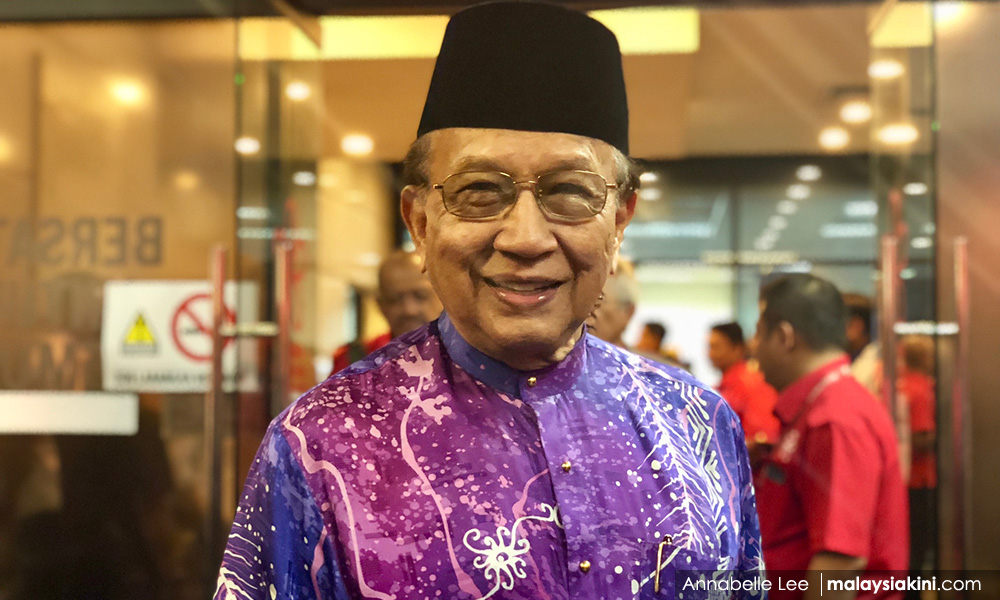
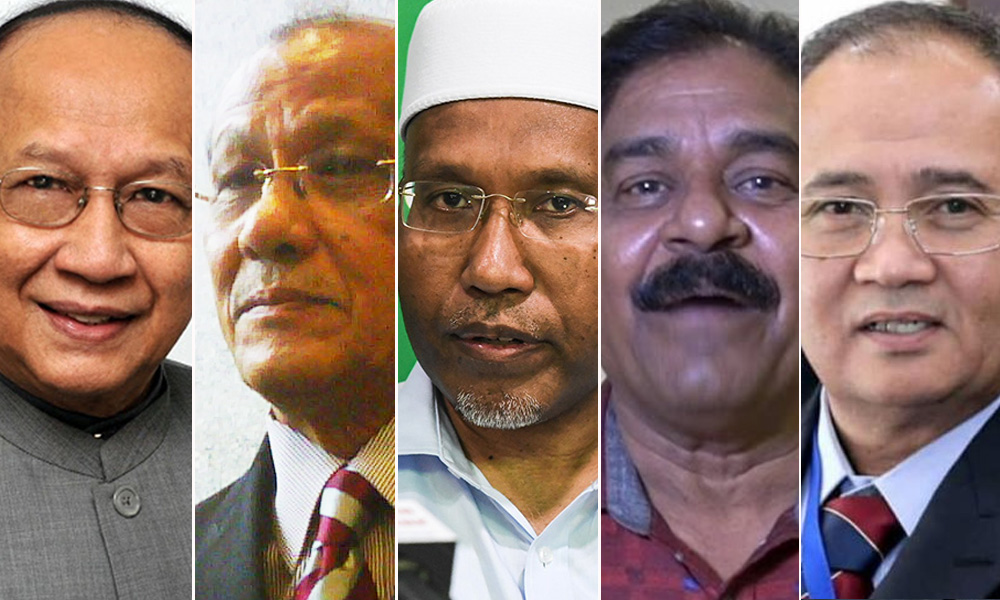
COMMENT | Many Malaysians may miss the earthquake in Parliament tomorrow. For the first time ever, the position of president of the Dewan Negara will be contested. At the time of writing, at least three senators – Rais Yatim (Bersatu), Yusmadi Yusoff (PKR) and Douglas Lind (Warisan) - have submitted their candidature.
Given that this position had always been uncontested in the past, it's no surprise many simply and erroneously believe the Senate president is appointed by the Yang di-Pertuan Agong or the government of the day.
If that’s not enough political drama, no one will ever know how each senator voted because the vote must be by secret ballot and the ballot papers be destroyed afterwards by nothing less than fire, as per the Standing Orders.
The most avid of political commentators will inevitably be dissecting tomorrow's vote counts to construct the latest kaleidoscope of overlapping yet conflicting political allegiances. Yet it is a pity that this landmark event may simply be ...
COMMENT | Many Malaysians may miss the earthquake in Parliament tomorrow. For the first time ever, the position of president of the Dewan Negara will be contested. At the time of writing, at least three senators – Rais Yatim (Bersatu), Yusmadi Yusoff (PKR) and Douglas Lind (Warisan) - have submitted their candidature.
Given that this position had always been uncontested in the past, it's no surprise many simply and erroneously believe the Senate president is appointed by the Yang di-Pertuan Agong or the government of the day.
If that’s not enough political drama, no one will ever know how each senator voted because the vote must be by secret ballot and the ballot papers be destroyed afterwards by nothing less than fire, as per the Standing Orders.
The most avid of political commentators will inevitably be dissecting tomorrow's vote counts to construct the latest kaleidoscope of overlapping yet conflicting political allegiances. Yet it is a pity that this landmark event may simply be dismissed, forgotten or, worse, be completely unnoticed by the rest of us.
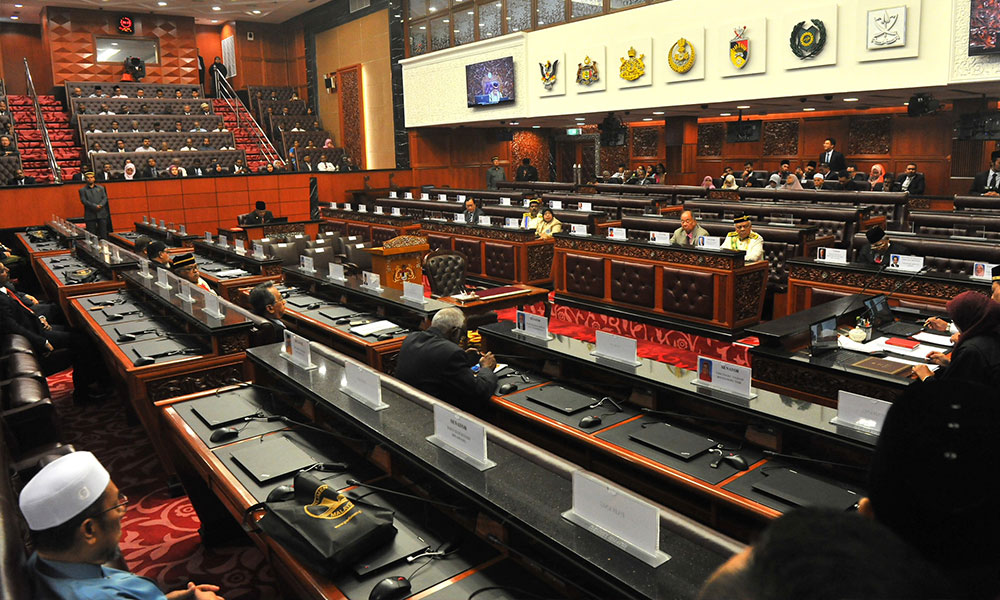
The Dewan Negara is not a rubber stamp. If it ever were, it is no longer. In December 2018, it voted down the repeal of the Anti-Fake News Act, despite approval in the Dewan Rakyat.
As Malaysian democracy transitions to a two-party or even multi-party system with more fluid coalitions and more frequent changes in government, such blocking of legislation will only happen more often. Perhaps this is by design.
The three-year tenure of senators is out-of-sync with the federal electoral cycle. Dissolution of the Dewan Rakyat does not affect the Dewan Negara. As the ill-fated Pakatan Harapan government experienced, any new federal government must expect that many, or even a majority, of sitting senators will be from opposition parties.
This provides, per the Reid Commission, a “safeguard against hasty or ill-considered legislation”. Granted, the Dewan Negara can only hope to delay legislation for a year, after which approval of the Dewan Rakyat and assent by the Yang di-Pertuan Agong will suffice. But as they say, a year is a lifetime in politics.
The representative function of the Dewan Negara is also becoming more significant. Subnational identities and aspirations are being articulated more forcefully in this new political normal where no single party is dominant nationally. Take for example, the calls for greater autonomy for Sabah and Sarawak or for more oil royalties to be returned to the East Coast states.
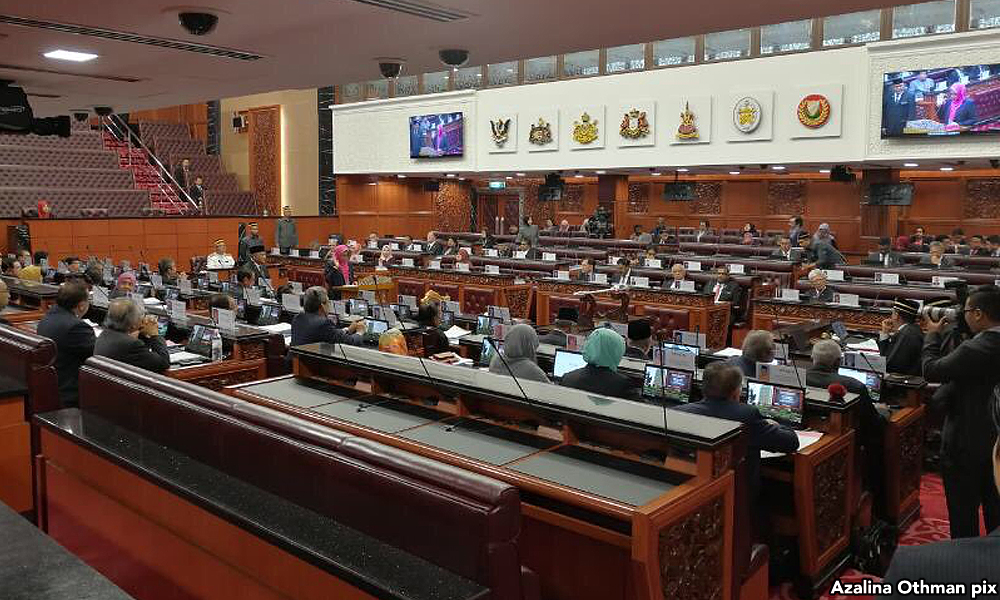
This positions the Dewan Negara to fulfil its initial purpose, as articulated by the Reid Commission, to protect the rights of states beyond that possible in the Dewan Rakyat. This is not to mention the increasing expectation that the Dewan Negara should better represent minorities and otherwise under-represented groups such as women and youth. Just look at Senate18.
A father figure
This is not to deny the challenges ahead. While the Dewan Negara is not a rubber stamp, it is still a diamond in the rough. The bipartisan Working Committee on Senate Reform has done sterling work in drafting Malaysia’s first ever report on and proposals for Senate reform. Its successor, the Senate Caucus has begun implementation by instituting select committees and initiating more effective media outreach.
These efforts received the unflagging support of then-president S Vigneswaran. However, much more work remains to be done. Key measures such as reinstatement of the Parliamentary Services Act, open applications for senatorial appointments and the establishment of a Parliamentary Academy require much political will, policy skill and organisational leadership.
And, that is why the presidential election tomorrow matters. The future of the Senate reform agenda depends on it. The fundamental and wide-ranging reforms envisioned can only be fully realised by a thriving culture of muafakat among senators across party lines. Whoever is elected on Wednesday, he (or she) will be critical in cultivating this culture.
Muafakat is more than just camaraderie or simple consensus. There must be shared action towards shared goals. The office of the Senate president comes with prestige, pomp and ceremony enough to distract any president from the boring work of coordinating institutional change.
Our new speaker must therefore demonstrate real and energetic commitment to the reform agenda. To paraphrase John F Kennedy when he ran for the US presidency at a youthful age of 43, we need a Senate president who is old enough to know and young enough to do.
Before I overstate the significance of the Senate presidency, I note that our senators are already uniquely collegial, cross-partisan and collaborative - at least compared to their counterparts in the Dewan Rakyat. Thus, the absolute least we need from our new president is not to undermine the existing collegiality among senators.
It is no surprise that the demeanour of the most well-admired past Senate presidents has invariably been of a supportive father figure, rather than that of a hectoring grammar teacher more suited for the Dewan Rakyat.
As the Dewan Negara sits tomorrow, it will enter uncharted waters. No one knows how the Dewan Negara will decide. I hope our senators will exercise wisdom in their vote. After all, we learn geology the morning after the earthquake.
SHAUN KUA was the former chief strategy officer of Invoke Malaysia and now runs a research outfit.
The views expressed here are those of the author/contributor and do not necessarily represent the views of Malaysiakini.