
South Korea says it is battling 'second wave' of coronavirus
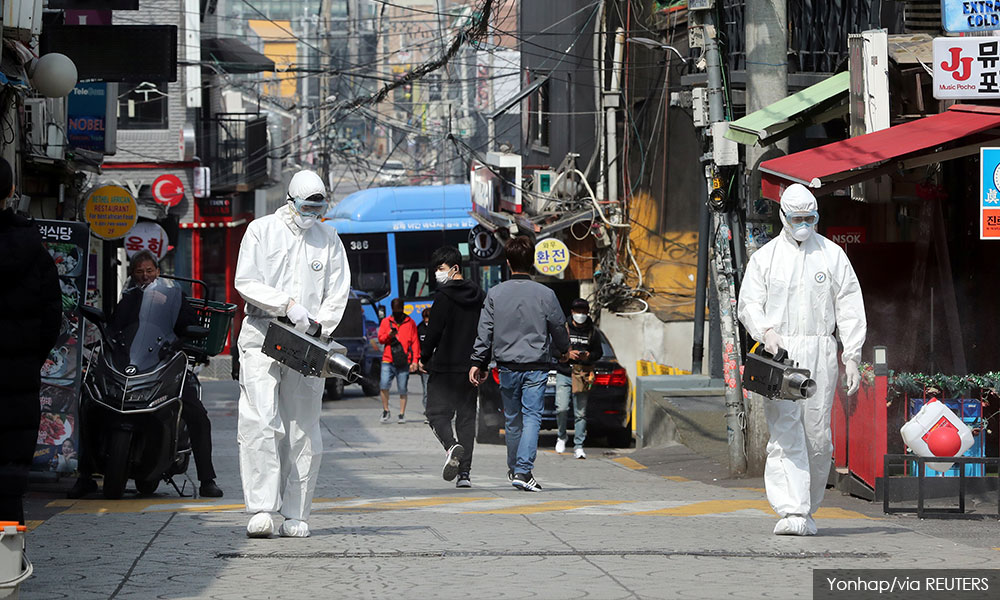
Health authorities in South Korea said on Monday that they are in the midst of a "second wave" of Covid-19 infections around Seoul, driven by small but persistent outbreaks stemming from a holiday in May.
The Korea Centers for Disease Control and Prevention (KCDC) had previously said South Korea's first wave had never really ended.
But on Monday, KCDC director Jeong Eun-kyeong said it became clear that a holiday weekend in...
Health authorities in South Korea said on Monday that they are in the midst of a "second wave" of Covid-19 infections around Seoul, driven by small but persistent outbreaks stemming from a holiday in May.
The Korea Centers for Disease Control and Prevention (KCDC) had previously said South Korea's first wave had never really ended.
But on Monday, KCDC director Jeong Eun-kyeong said it became clear that a holiday weekend in early May marked the beginning of a new wave of infections focused in the densely populated greater Seoul area, which previously saw few cases.
At a regular briefing, Jeong said in the "metropolitan area", the first wave was from February to April, adding, "Then we see that the second wave which was triggered by the May holiday has been going on.”
At the end of February, South Korea reported a peak of more than 900 cases in a day - the first large outbreak of the coronavirus outside of China.
An intensive tracking and testing campaign reduced the numbers to single digits by late April.
But just as the country announced it would be easing social distancing guidelines in early May, new cases spiked, driven in part by infections among young people who visited nightclubs and bars in Seoul over the holiday weekend.
"We originally predicted that the second wave would emerge in fall or winter," Jeong said. "Our forecast turned out to be wrong. As long as people have close contact with others, we believe that infections will continue."
Seoul mayor Park Won-soon told a briefing that while daily numbers may be at manageable levels, if recent infection rates continued, the city could soon see hundreds of cases a day.
As of midnight Sunday, South Korea reported 17 new coronavirus cases, the first time in nearly a month that daily new cases had dropped below 20. It was a drop from the 48 and 67 cases reported in the previous two days.
South Korea has reported a total of 12,438 cases, with 280 deaths.