Don't worsen haze with open burning, says environmentalist
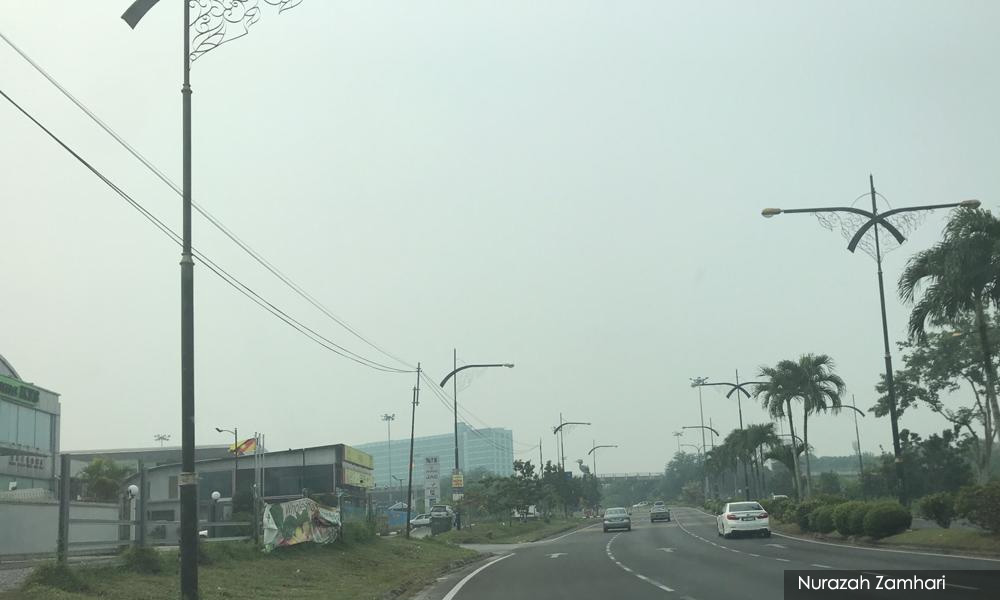
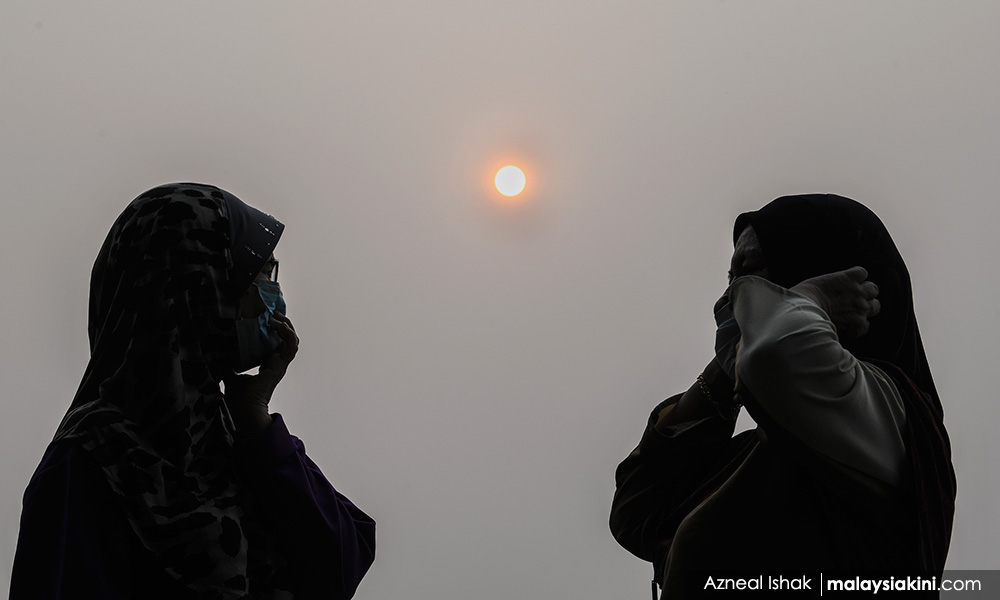
An environmentalist has called on the public to avoid open burning and exacerbate the haze enveloping parts of the country.
Ahmad Ismail, the president of the Malaysian Nature Society, said landowners and relevant parties, such as those who involved in the agriculture industry, should know better not to burn rubbish on peatland...
An environmentalist has called on the public to avoid open burning and exacerbate the haze enveloping parts of the country.
Ahmad Ismail, the president of the Malaysian Nature Society, said landowners and relevant parties, such as those who involved in the agriculture industry, should know better not to burn rubbish on peatland.
"They should be concerned about this (open burning), especially during the dry season and when we are enduring the haze.
"There is already a guide on managing peatland, which is sensitive to open burning. Maybe the authorities should further educate the public on the matter," he told Malaysiakini.
Ahmad's note of caution comes after firefighters battled for over 24 hours to contain a fire which spread across 1.21ha of an oil palm plantation in Bestari Jaya.
A Fire and Rescue Department spokesperson said that they were alerted to the fire around 11am yesterday.
"Firefighters only managed to contain the fire at 2.40pm today," he told Malaysiakini, but said the cause of the incident has yet to be ascertained.
Commenting further, Ahmad said that certain people may not understand that peat is flammable.
"Maybe certain quarters had intended to clear the area. But the fire could also be due to other reasons, as the surrounding area is dry," he added.
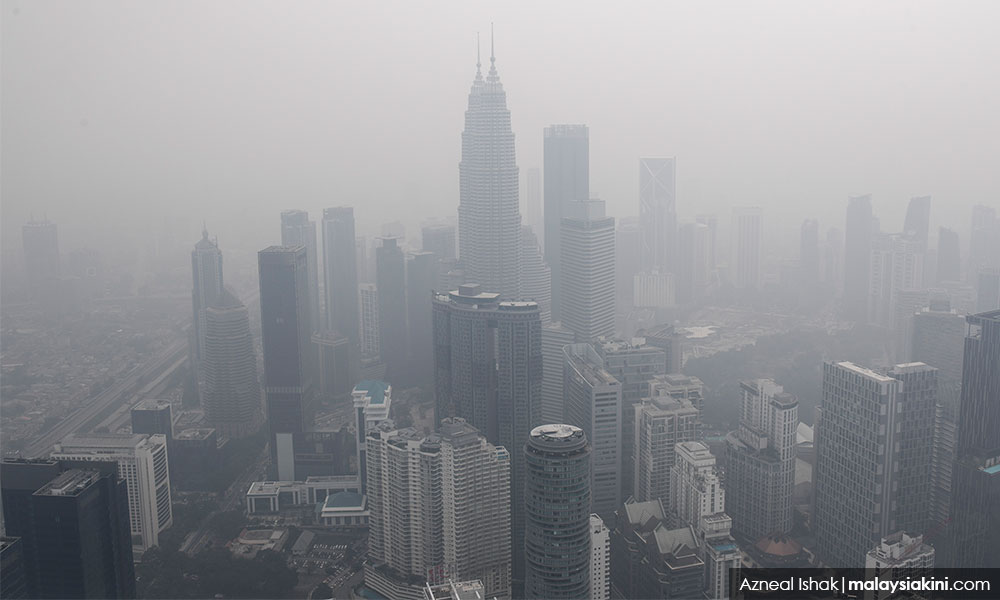
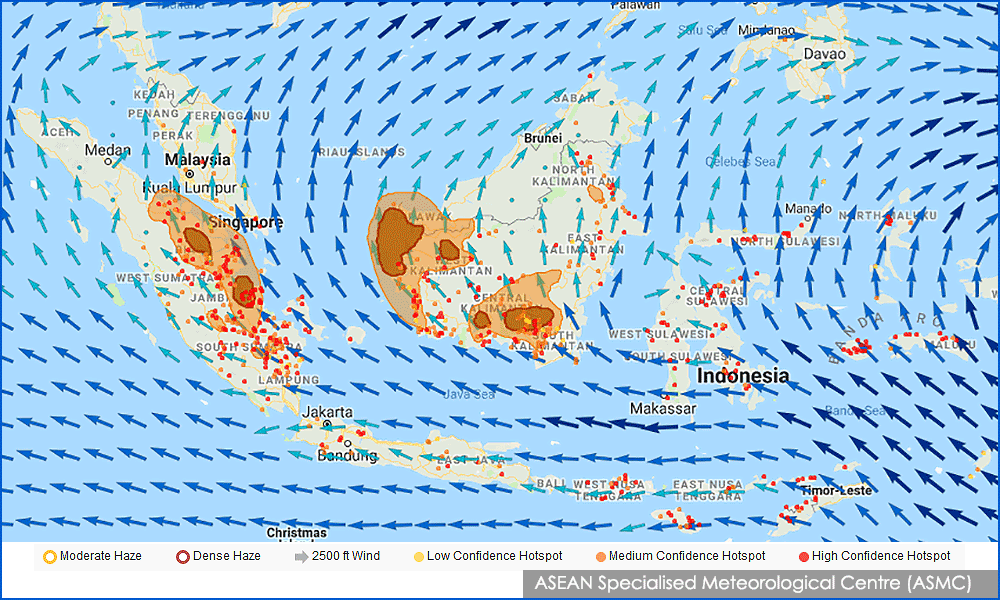
The Asean Specialised Meteorological Centre (ASMC) previously warned that the haze affecting parts of Malaysia would continue to worsen.
ASMC data shows that the number of hotspots in Sumatra jumped drastically to 206 on Sunday from 52 the day before.
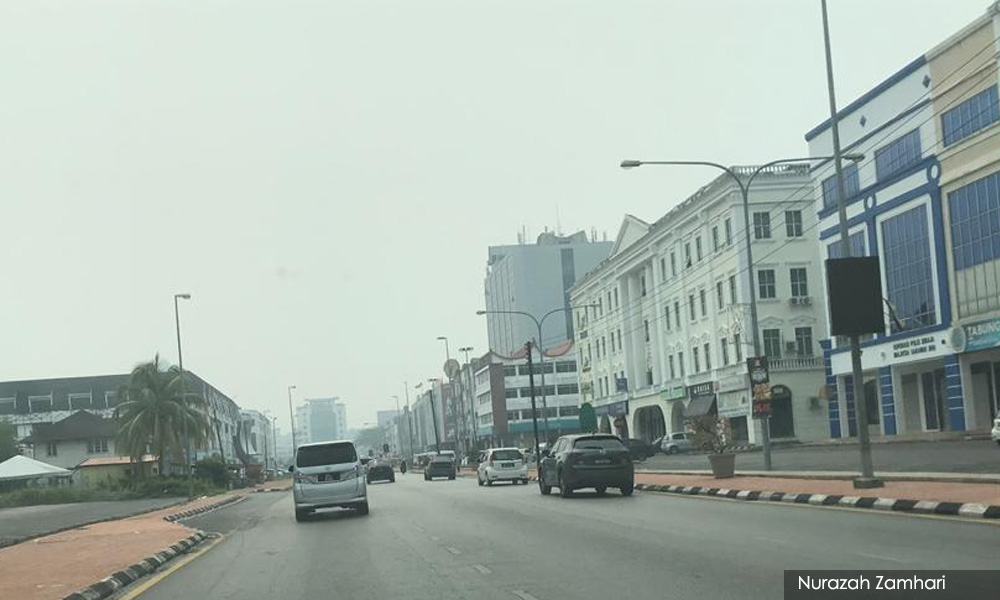
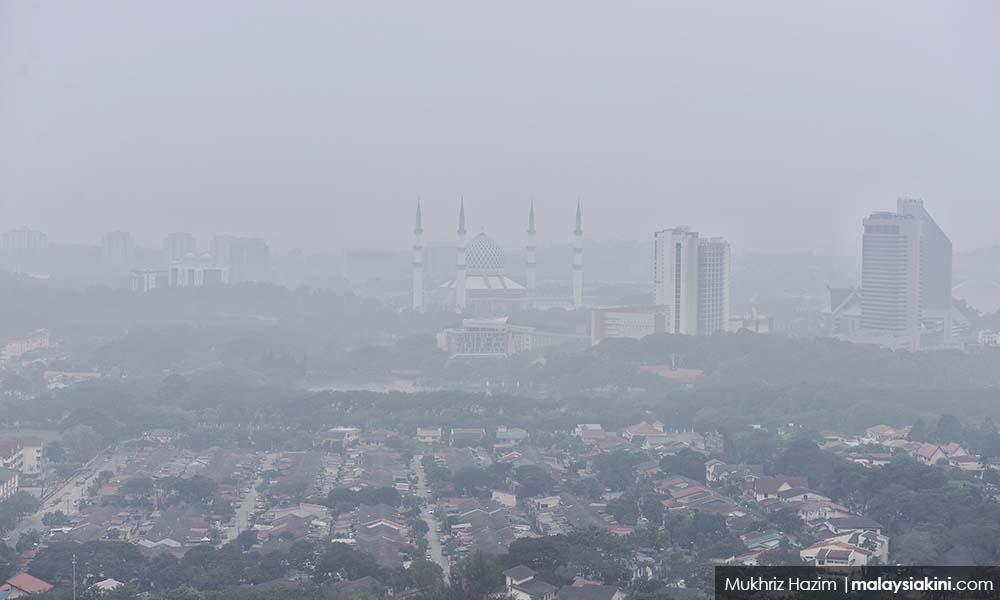
Smoke haze in the Indonesian province of Riau, Jambi, South Sumatra and Lampung, as well as West, Central and South Kalimantan, was brought over to western Sarawak and Peninsular Malaysia by wind.
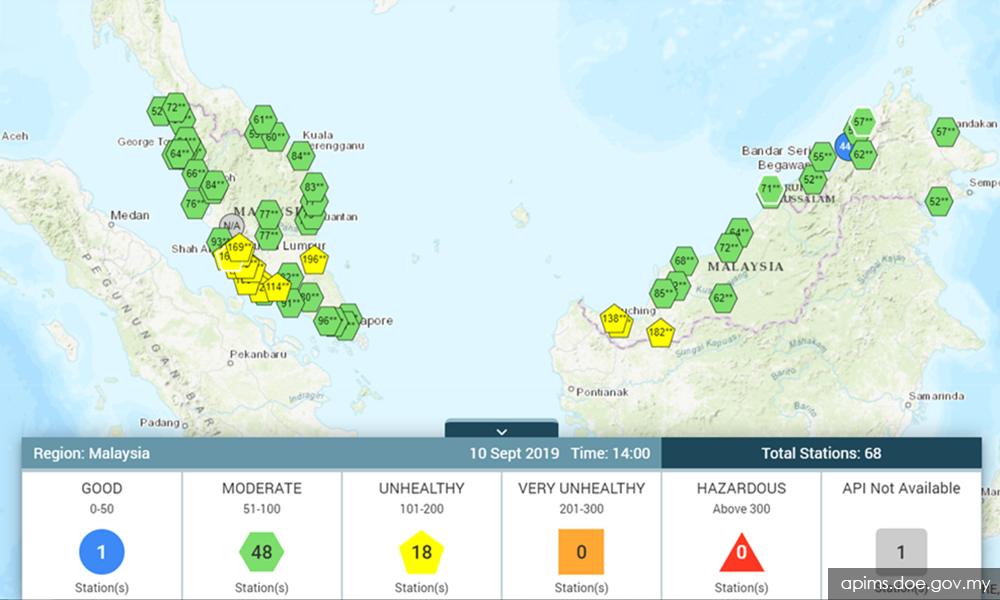
Today, the Air Pollution Index reading in Klang, Shah Alam, Putrajaya, Petaling Jaya, and Cheras rose to 119 and above.
Sarawak, which has been badly affected by the haze, is expected to conduct cloud seeding on Thursday. The Education Ministry announced today that a total of 275 schools in the state will be closed.
API readings of between 101 to 200 are considered unhealthy and could worsen the health condition of high-risk people, such as those with heart and lung complications.
Readings between 201 to 300 are considered very unhealthy, and 300 and above hazardous.