
Why journos do what they do
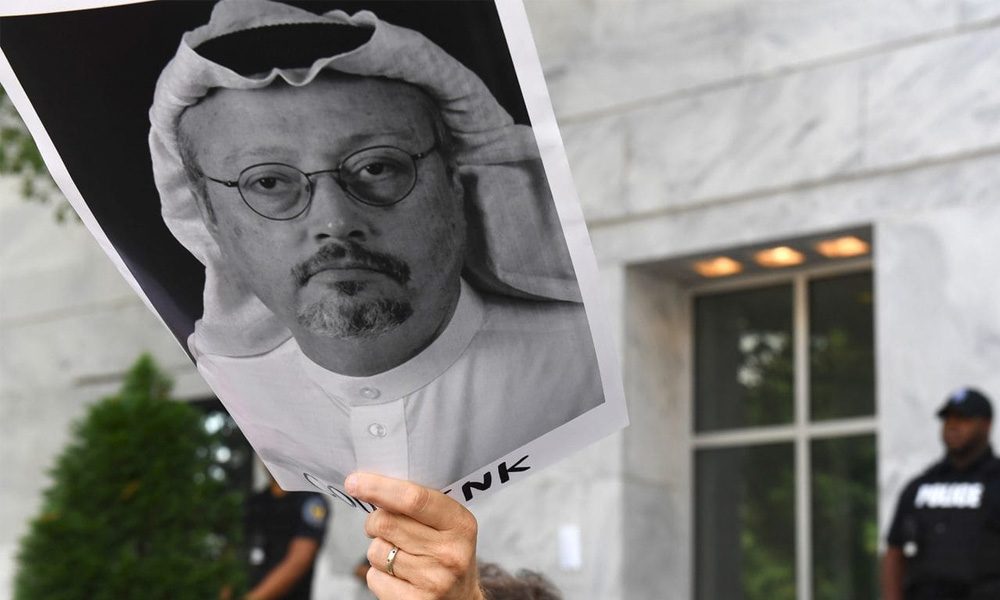
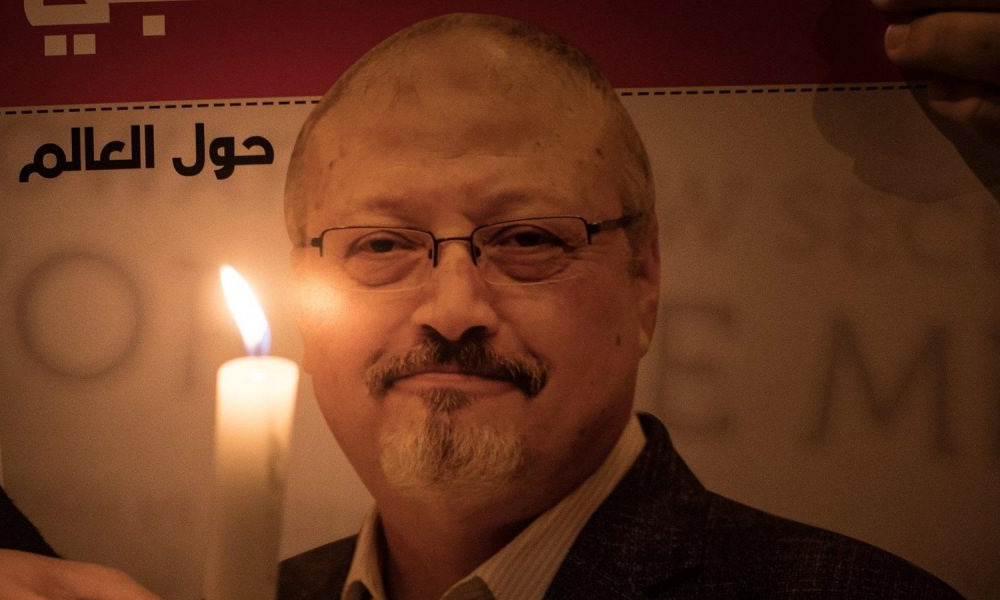
Let’s cast aside the compliant mainstream journalism we are so used to. For now let’s turn to the reports of journalists like Maria Ressa, CEO of 'Rappler', arrested at her office in Manila two weeks ago; and Jamal Kashoggi (photo), Washington Post columnist murdered in the Saudi Consulate in Istanbul in October last year.
Or the less reported cases last year - Reuters journalists Wa Lone and Kyaw Soe Oo, jailed for seven years in September for investigating the military killings of Rohingya Muslims in Rakhine state; Shujaat Bhukari, editor of 'Rising Kashmir,' shot by unidentified gunmen outside his office in Srinagar in June; and on January 16 this year Ghanaian journalist, Ahmed Hussein-Suale Divela killed by two gunmen on a motorbike.
To silence these journalists is to silence the voices of those who know what happened, and to intimidate those who might be tempted to speak to the media of the injustices they have experienced or witnessed in the dirty deeds of those in public office.
It’s a deep-seated belief in speaking truth to power that drives many journalists working in repressive regimes to cover stories that otherwise would not be told, often with little or no protection from their news organization...
Let’s cast aside the compliant mainstream journalism we are so used to. For now let’s turn to the reports of journalists like Maria Ressa, CEO of 'Rappler', arrested at her office in Manila two weeks ago; and Jamal Kashoggi (photo), Washington Post columnist murdered in the Saudi Consulate in Istanbul in October last year.
Or the less reported cases last year - Reuters journalists Wa Lone and Kyaw Soe Oo, jailed for seven years in September for investigating the military killings of Rohingya Muslims in Rakhine state; Shujaat Bhukari, editor of 'Rising Kashmir,' shot by unidentified gunmen outside his office in Srinagar in June; and on January 16 this year Ghanaian journalist, Ahmed Hussein-Suale Divela killed by two gunmen on a motorbike.
To silence these journalists is to silence the voices of those who know what happened, and to intimidate those who might be tempted to speak to the media of the injustices they have experienced or witnessed in the dirty deeds of those in public office.
It’s a deep-seated belief in speaking truth to power that drives many journalists working in repressive regimes to cover stories that otherwise would not be told, often with little or no protection from their news organization.
Syed Nazakat, a friend and founder of the Centre for Investigative Journalism in New Delhi, said in an email correspondence that “a majority of journalists who work in India's small towns and states dont have any access to health, legal and physical safety protections.”
Which defies the security guide produced by the New York-based Committee to Protect Journalists.
Alluding to his work in conflict-ridden Kashmir, he said: “Reporters would go out and report from gun-battle sites without any helmet or bullet-proof jackets. The scene is different at major publication with proper insurance and health cover and some legal fee protection.
“In places where guns have the final word, you must be prepared for anything. I remember during a reporting assignment in Afghanistan, we had a very narrow escape after the Taliban attacked a military convoy, which was just a few metres from our vehicle.
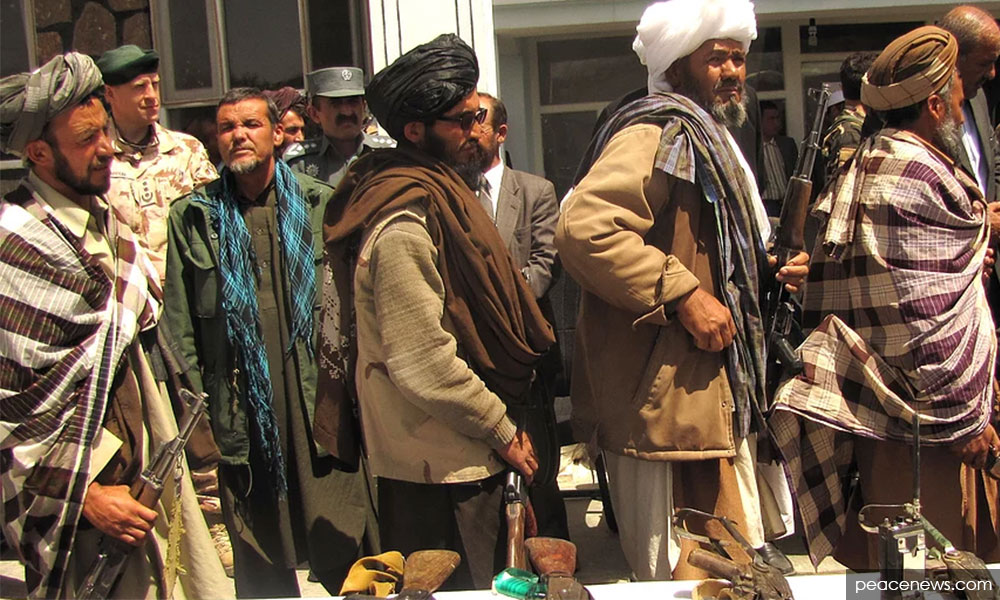
“For a moment, we thought we are dead. When the gunfight stopped after half an hour, we found ourselves in a nearby trench, miraculously alive.”
“Back home in Kashmir, where I started my career as a young reporter, personal safety was a daily challenge and struggle. The armed groups, the cops, military and renegades threaten journalists so much it becomes a matter of routine, so the journalists ignore the threats and continue their work.”
One of Nazakat’s award-winning investigative journalism was his exposé of India’s “network of secret facilities around the country to hold and interrogate terror suspects, including minors.” Another story uncovered the secret renditions of terrorists by Indian security agencies in Nepal.
“I conducted research and a series of interviews - with many people who had never spoken publicly before - and others with first-hand knowledge of these facilities.
“The stories prompted the immediate attention of the Indian government. When the first story got published, I was chased by the intelligence agency for months and my phone was put under surveillance. I started to get strange phone calls in the middle of night.
“One day five unidentified men, presumably from the intelligence agency, followed me for a whole day. In the evening, they even came to my apartment in Delhi. The thought that they have marked my home and perhaps my family was terrifying for many weeks.”
CPJ reported that 58 journalists were killed in 2018, and three killed since January this year. Most were “murdered” for their investigative work. Many of the killings remain unsolved, for instance, the massacre of 34 journalists in Maguidanao in the Philippines on November 23, 2009.
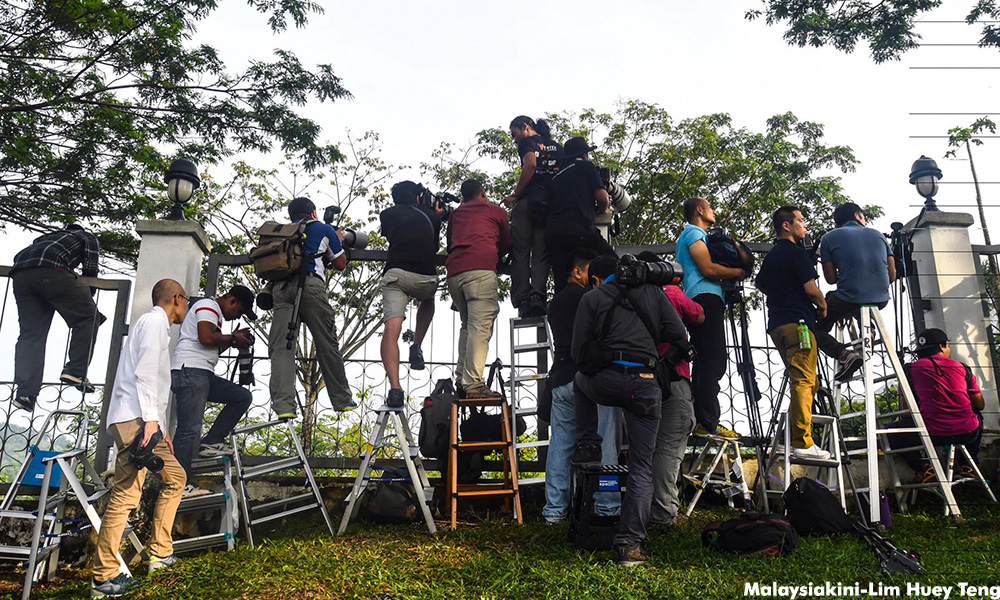
Just as there are journalists who risk their lives to uncover the truth, there are those who find sustenance in the cash for coverage. For instance,the cases of talkback radio hosts in the Philippines known as the “block-timers” – people who buy airtime on local radio to air their allegations and counter-allegations, which essentially breach the ethical principles of getting the facts right and contexts clarified, and to be accountable for what is said on air.
The price - cold-blooded murder when they stepped out of the radio station.
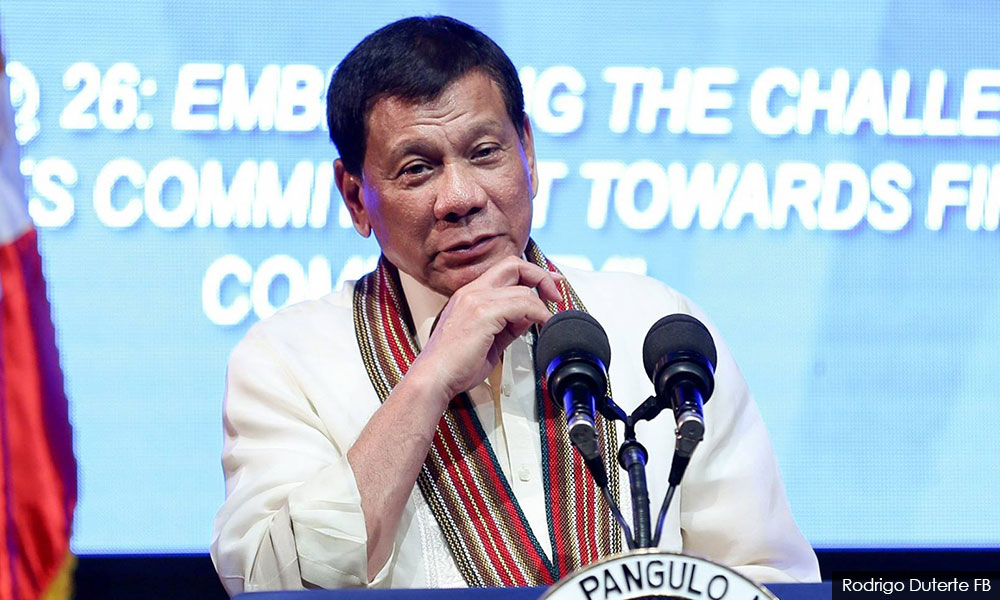
The International Federation of Journalists cites the Philippines as the most dangerous place for journalists in Southeast Asia. Under President Rodrigo Duterte’s administration, 12 journalists were killed in two years up to November 2018.
The motives for the murders are unclear, according to police, besides the fatal consequence of journalists crossing the ‘red line’ in their investigative work. The killings of journalists is made more poignant when we witness cases of underpaid journalists tempted by envelopmental journalism – ‘red envelopes in China; brown envelopes in Africa; wartawan envelop in Indonesia; white envelopes in Cambodia, ‘ATM journalism’ where reporters receive regular pay-offs through automated-teller machine accounts, which could be in the names of relatives or spouses, and in our Malaysian experience where journalists are offered shares for writing favourably of particular companies or politicians.
The Philippine Press Institute has a prescription for vulnerable journalists: “Pay your way. Do not accept cash or gifts in kind from politicians and political parties. Do not moonlight with political parties. Draw the line between journalism and your own money ventures.”
Sadly, besides the killing of the tried-and-true journalists, the silent threats to press freedom are the scent of blood money, cash for coverage and conflict of interest that pervade the newsroom in poor developing countries, hence the flouting of basic ethical media practice by easy editors, corporate advertisers and unscrupulous corrupt politicians.
ERIC LOO is a senior fellow (journalism) at the School of the Arts, English & Media, Faculty of Law, Humanities & Arts, University of Wollongong. He is also the founding editor of Asia Pacific Media Educator.
The views expressed here are those of the author/contributor and do not necessarily represent the views of Malaysiakini.