BUT Chavez programmes triggered more contradictions; O&G wealth was increasingly used to fund social programmes and empowered political appointees on basis of ideology etc. At the same time not enough effort was made to diversify the economy. Worst mismanagement and corruption became rampant (power corrupts even the most idealistic). And Maduro (a bus-driver who became a Union Leader and subsequently Chavez right-hand man) exemplified this incompetency and exacerbated mismanagement. He has to resort to more authoritarianism, a trend which started with Chavez. (4) LASTLY it is not helped by a US Government hell-bent on blocking and obstructing any country (especially one within it's backyard) with "socialist tendencies". AND the nail is declining oil prices since the 1990s (mainly the US fracking industry). THE LESSONS? (1) Resource curse. BUT it need not be a curse if husbanded well (ref. Norway and it's oil wealth). (2) Economic over dependence on one commodity. (3) Class divide and income gap (not race) is important for social stability. (4) An over-reliance on free-market-libertarian policies exacerbate class divide and wealth gap. Free-market must be carefully balance with social programmes. (4) As always "power corrupts" even the most idealistic. (5) Governance and management is the corner stone in any policy whether free-market or socialistic.
Ahmad Fuaad12:45 PM, 28 Jan 2019
While some commentators interpret Venezuela in simplistic terms (a narrative driven by the international western, principally, American media) a more accurate interpretation holds lessons for Malaysia. The common media message is Venezuela as a failed state due to the dictatorial powers of Maduro and his socialist party OR the failure of socialist policies. While some of the aforesaid message may have some grain of truth, the hard truth (or facts) lie somewhere in between. Key summary (1) Resource curse, Ven. has the largest oil deposit in the world and is a key oil exporting nation since the early 20th century. Ven was a key creator of OPEC. Up to the late 1970s, oil was key to her economy and under 'centrist' government rule, Venezuela became one of the richest (even matching the US in the 1950/60s) in wealth, development and the middle class. BUT this over-dependence came to be the root of its current problem. By 1975 75% of govt expenses were derived from oil and 20% of national output was derived from O&G. With nationalisation of O&G industry in 1976 govt spending increased 170%. (2) An overly open-unrestrained economy increases wealth gap leading to social strain. By the 1980s, with oil prices declining (relative to previous decades), this over-dependence led to declining economy, The middle class shrank by 25%. Class division deepens which led to the rise of Hugo Chavez. For free-market-libertarians class-division and excessive wealth gap are REAL and give some traction to the theory of the "instability of unrestrained free-market leading to boom-bust". (3) Idealistic socialist or populist policies are usually stymied by human in-competencies and the old human "passions" such as avarice and the intoxication of power. Chavez set into motion socialist programmes which uplifted millions of previously impoverished citizens. Till today Chavez is revered amongst the poor.
Ahmad Fuaad12:29 PM, 28 Jan 2019
Venezuela. Terrible country. Someone from their country needs to do something but hands are tied. Need UN intervention.


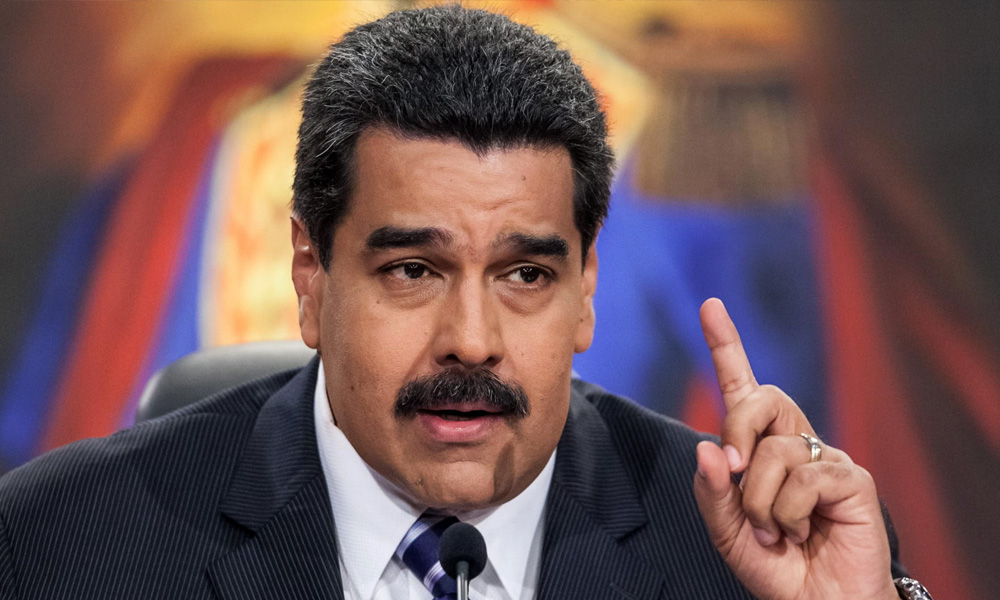



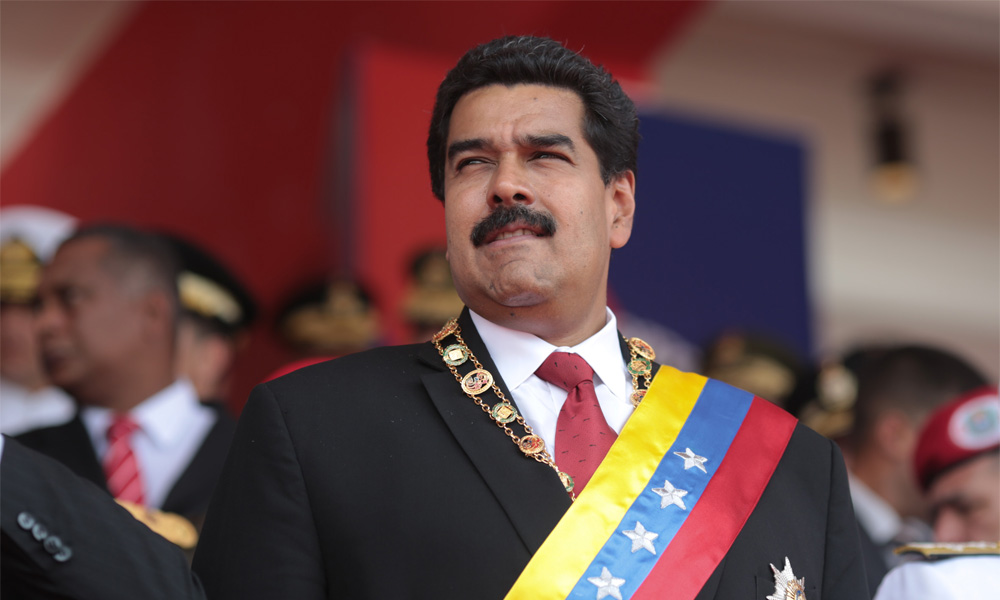
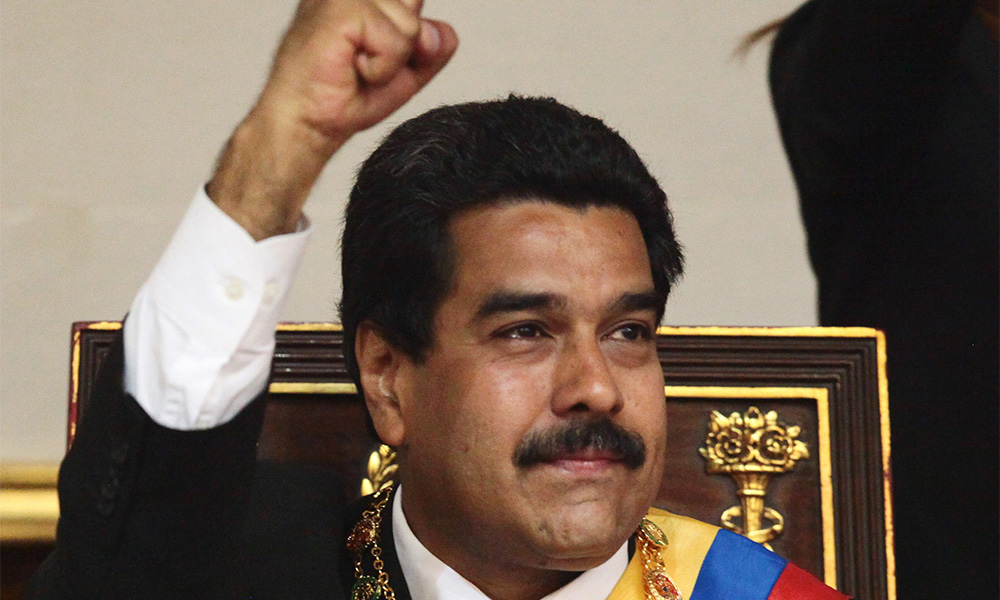


BUT Chavez programmes triggered more contradictions; O&G wealth was increasingly used to fund social programmes and empowered political appointees on basis of ideology etc. At the same time not enough effort was made to diversify the economy. Worst mismanagement and corruption became rampant (power corrupts even the most idealistic). And Maduro (a bus-driver who became a Union Leader and subsequently Chavez right-hand man) exemplified this incompetency and exacerbated mismanagement. He has to resort to more authoritarianism, a trend which started with Chavez. (4) LASTLY it is not helped by a US Government hell-bent on blocking and obstructing any country (especially one within it's backyard) with "socialist tendencies". AND the nail is declining oil prices since the 1990s (mainly the US fracking industry). THE LESSONS? (1) Resource curse. BUT it need not be a curse if husbanded well (ref. Norway and it's oil wealth). (2) Economic over dependence on one commodity. (3) Class divide and income gap (not race) is important for social stability. (4) An over-reliance on free-market-libertarian policies exacerbate class divide and wealth gap. Free-market must be carefully balance with social programmes. (4) As always "power corrupts" even the most idealistic. (5) Governance and management is the corner stone in any policy whether free-market or socialistic.
While some commentators interpret Venezuela in simplistic terms (a narrative driven by the international western, principally, American media) a more accurate interpretation holds lessons for Malaysia. The common media message is Venezuela as a failed state due to the dictatorial powers of Maduro and his socialist party OR the failure of socialist policies. While some of the aforesaid message may have some grain of truth, the hard truth (or facts) lie somewhere in between. Key summary (1) Resource curse, Ven. has the largest oil deposit in the world and is a key oil exporting nation since the early 20th century. Ven was a key creator of OPEC. Up to the late 1970s, oil was key to her economy and under 'centrist' government rule, Venezuela became one of the richest (even matching the US in the 1950/60s) in wealth, development and the middle class. BUT this over-dependence came to be the root of its current problem. By 1975 75% of govt expenses were derived from oil and 20% of national output was derived from O&G. With nationalisation of O&G industry in 1976 govt spending increased 170%. (2) An overly open-unrestrained economy increases wealth gap leading to social strain. By the 1980s, with oil prices declining (relative to previous decades), this over-dependence led to declining economy, The middle class shrank by 25%. Class division deepens which led to the rise of Hugo Chavez. For free-market-libertarians class-division and excessive wealth gap are REAL and give some traction to the theory of the "instability of unrestrained free-market leading to boom-bust". (3) Idealistic socialist or populist policies are usually stymied by human in-competencies and the old human "passions" such as avarice and the intoxication of power. Chavez set into motion socialist programmes which uplifted millions of previously impoverished citizens. Till today Chavez is revered amongst the poor.
Venezuela. Terrible country. Someone from their country needs to do something but hands are tied. Need UN intervention.