


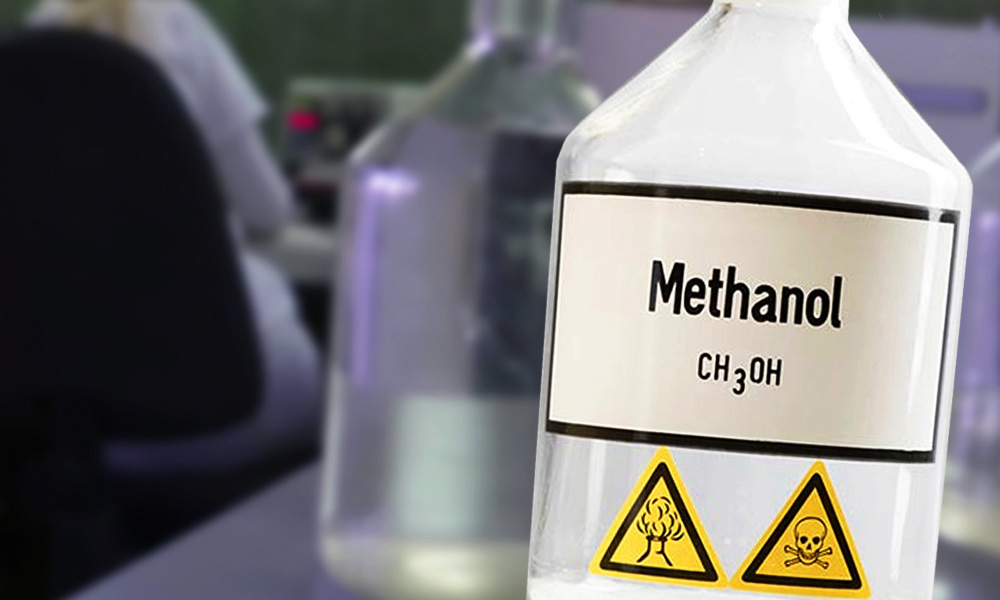

Guide to bootleg alcohol, blindness, and death
KINIGUIDE | With the death toll at 23, M'kini takes a look at the methanol poisoning outbreaks.
KINIGUIDE | There have been at least 56 cases of suspected alcohol poisoning so far since the outbreak started this week, with the first death recorded on Sept 17 and the death toll at 23 as of today.
But despite what the name suggests, this has nothing to do with the overconsumption of alcoholic drinks. Instead, it is due to methanol contamination of the drinks.
In this instalment of KiniGuide, we take a look at methanol poisoning outbreaks.
What is methanol?
Methanol (also known as wood alcohol or methyl alcohol) is a type of alcohol. It is chemically similar to ethanol (also known as ethyl alcohol, grain alcohol, or drinking alcohol) that is associated with alcoholic beverages and its intoxicating effects, but it is dangerous to humans at much lower doses.
It is primarily used for industrial purposes for manufacturing certain chemicals, as fuel, as a solvent, windshield washing fluid, and antifreeze. There is also research interest in making methanol-based fuel cells to use it to generate electricity.
Because of its similarities to ethanol, it is also added to industrial ethanol to make it poisonous to deter recreational drinking of the ethanol and exempt it from excise taxes.
Methanol also occurs naturally in fruit juices and as a by-product of fermentation. In these cases, however, the concentration is much too low (often milligrams per litre) to be harmful.
How dangerous is methanol?
About 10 millilitres of pure methanol is reportedly enough to cause permanent blindness in adult humans. Doses above 30 millilitres are potentially fatal.
There is typically a period of several hours after methanol consumption where there are no symptoms, especially if consumed together with ethanol as with the case of drinking bootleg alcoholic beverages.
“After a variable period of time victims start to develop headache, vomiting, abdominal pain and vertigo. They may start to hyperventilate and feel breathless. Vision is often affected, with blindness in severe cases.
“Coma, convulsions, and death from respiratory arrest may ensue. Patients who survive may suffer permanent visual impairment,” according to a World Health Organisation (WHO) fact sheet on methanol poisoning outbreaks.
How does methanol end up in alcoholic drinks?
This is possibly the result of improper distillation of the beverage, especially in the case of bootleg alcoholic beverages that are produced illegally or informally.
Alternatively, it may have been deliberately added as a cheap (and illegal) means of boosting the drink’s potency, rather than using the more expensive ethanol.
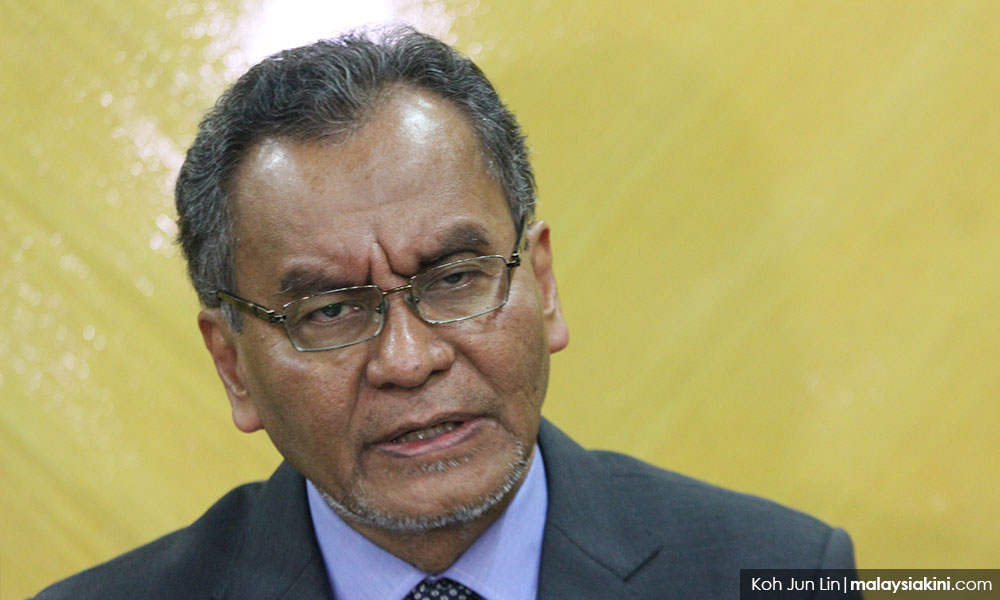
Health Minister Dzulkefly Ahmad (photo) also suggested the possibility of tampering by third parties, but stressed that it is up to the police the investigate the matter.
Can I tell if my drink contains methanol?
Unless you happen to have access to a laboratory with the right equipment; no, not readily. Since methanol is similar to ethanol, you won’t be able to smell, see, or taste the difference in the drink.
Dzulkefly said consumers would have to rely on the drink’s branding instead.
The affected brands that have been contaminated are Grand Royal Whisky, Mandalay Whisky, and Kingfisher beer. Testing has found that Grand Royal Whisky contains excessive methanol content, while analysis of other brands including those not named here is ongoing.
The Health Ministry had also found that suspect beverages do not comply with the Food Regulations 1985’s labelling requirements, such as by not including the name and address of the manufacturer, agent, or importer on the label.
Meanwhile, the WHO advises against purchasing illegal alcoholic drinks and drinks sold in unlabelled containers. It also advises consumers to be suspicious about alcohol served in unlicensed venues or are offered at a cheap price.
Is this the first time Malaysia had an outbreak of methanol poisoning?
No. According to the Malaysian Journal of Public Health Medicine report of the proceedings of the 7th National Public Health Conference, the first outbreak was in 2013.
It said a review of Selangor hospital admissions records from February until July 15, 2013 had found 41 confirmed cases, as opposed to the 56 suspected cases in the ongoing outbreak.
The report did not mention any deaths from the 2013 outbreak, but said 69.5 percent had central nervous symptoms, 65.9 percent had gastrointestinal symptoms, 33 percent had visual disturbances, and 8.9 percent went blind.
The 2013 outbreak was blamed on “cheap, illegal unregistered compounded hard liquor of imported brands”.
It said 15 out of 31 alcohol samples taken had methanol levels above the WHO standard, and all of them were sold at unlicensed venues.
Who else is having this problem?
On April 10, the Associated Press reported that over 50 people have died in the span of a week in western Indonesia after drinking bootleg alcohol, including in Jakarta.
On May 7, the AFP reported that at least 13 people have died and nearly 150 hospitalised in central Cambodia. The country’s health ministry subsequently found high levels of methanol in the local rice wine.
This instalment of KiniGuide is compiled by KOH JUN LIN. It is not intended as medical advice; seek immediate medical attention if you suspect you may have been affected by methanol poisoning.


