


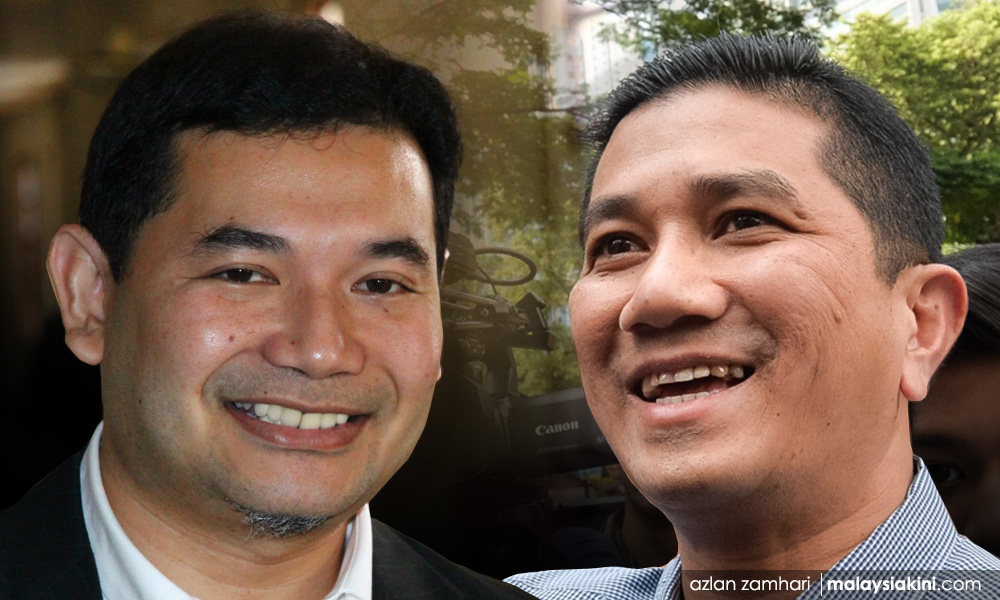

Why is PKR shunning public debate?
COMMENT | It wasn’t too long ago that we had a premier who feared everything. Chief among these was his fear of debates. In his nine years as prime minister, Najib Abdul Razak never once accepted an offer to debate.
During the peak of the 1MDB scandal, everyone needed answers from an opaque government. The more Najib refused to debate, the more we inferred this to be a kind of fear.
Najib was not a risk-taker. Every speech he delivered was prepared beforehand; audiences vetted in advance. And most important of all, no debates.
He said he did so because “debating is not our culture.” But ironically, he never shied away from any opportunity to glorify Malaysians who achieved international debating success.
And thus, the opinion was unanimous: Najib feared debating because he had something to hide.
Politicians hate debates
Debates are a nightmare to many politicians.
This is because politicians are engineers of public image....
COMMENT | It wasn’t too long ago that we had a premier who feared everything. Chief among these was his fear of debates. In his nine years as prime minister, Najib Abdul Razak never once accepted an offer to debate.
During the peak of the 1MDB scandal, everyone needed answers from an opaque government. The more Najib refused to debate, the more we inferred this to be a kind of fear.
Najib was not a risk-taker. Every speech he delivered was prepared beforehand; audiences vetted in advance. And most important of all, no debates.
He said he did so because “debating is not our culture.” But ironically, he never shied away from any opportunity to glorify Malaysians who achieved international debating success.
And thus, the opinion was unanimous: Najib feared debating because he had something to hide.
Politicians hate debates
Debates are a nightmare to many politicians.
This is because politicians are engineers of public image. They dress to impress, are surrounded by people who sing their praises, are followed by an entourage to create a sense of importance, maintain an online presence that balances public acceptability and personal benevolence, and deliver carefully crafted speeches.
They make sure they only speak out when it’s politically palatable, speak selectively when it’s politically uncertain, and keep silent when it’s politically suicidal.
Very few politicians can rise above and speak truly from the heart.
That’s why politicians hate debates – it puts their carefully engineered public image at risk. In a debate, politicians must confront opponents who probably know more about their weaknesses than the average voter.
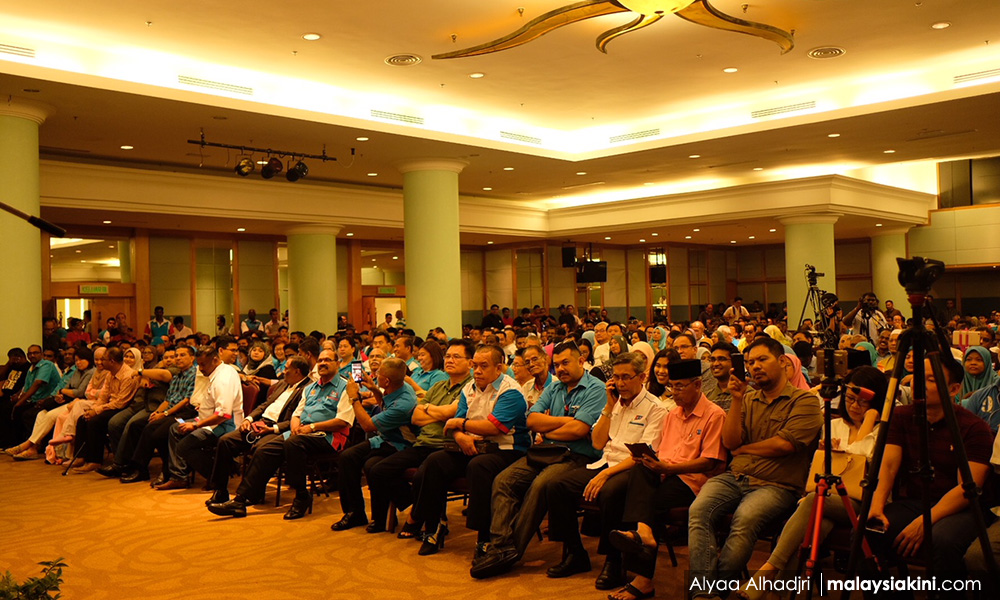
Politicians are put on the spot when asked questions they are unprepared for. Skirting around issues make them appear weak; choosing not to answer make them appear pathetic.
Without prepared answers, and with only a short time to respond, debates are a nightmare for politicians.
Blessing for voters
But debates are a blessing to voters since it allows them to see the politicians behind the smokescreen.
If you want to know a politician’s true colours, debating is one of the best ways to do so. Since honest politicians are a prerequisite for a transparent government, it is imperative that debating be made a culture among politicians.
I have no doubt that Pakatan Harapan politicians agree with this. There was near unanimity in describing Najib as gutless when he consistently rejected offers to debate.
Harapan politicians in their entirety are also principal advocates of a transparent government.
Even Umno politicians had slowly warmed to the idea of debating after the May 9 polls, with presidential hopefuls Ahmad Zahid Hamidi, Tengku Razaleigh Hamzah and Khairy Jamaluddin debating party issues in the recent Umno election.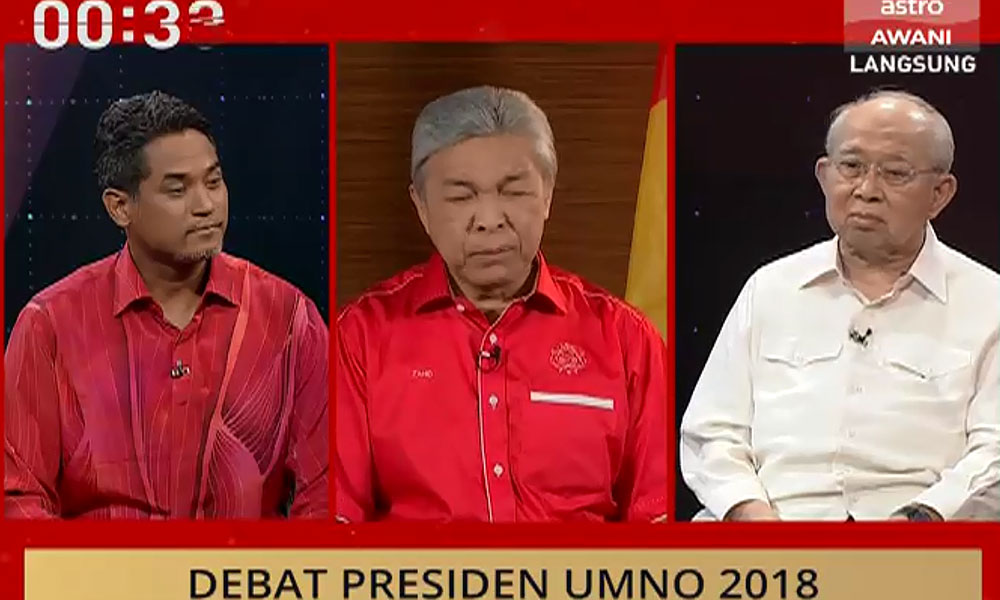
Zahid initially hesitated to participate in the debate, but eventually agreed to join in, because he recognised that he could no longer hide behind smoke and mirrors without confronting his opponents, and by extension, party members.
In the end, it proved that debates needn’t be combative and egged on by an aggressive crowd, they could also be calm and collected.
Debates at all levels
In other countries, debates between and within political parties form a crucial part of every election.
The presidential debates in the United States significantly alter the mood of voters. The most popular was Richard Nixon squaring off with John F Kennedy in 1960.
Nixon’s shifty body language led many viewers to believe he was untruthful, which swung voter sentiments greatly in favour of Kennedy. Closer to home, the presidential debate among Joko Widodo and Prabowo Subianto was also memorable.
Debates are also part and parcel of campaigns at the lower levels of government. Case in point, Marco Rubio’s poor performance at the 2016 US Republican presidential debates significantly affected his chances of nomination as a nominee.
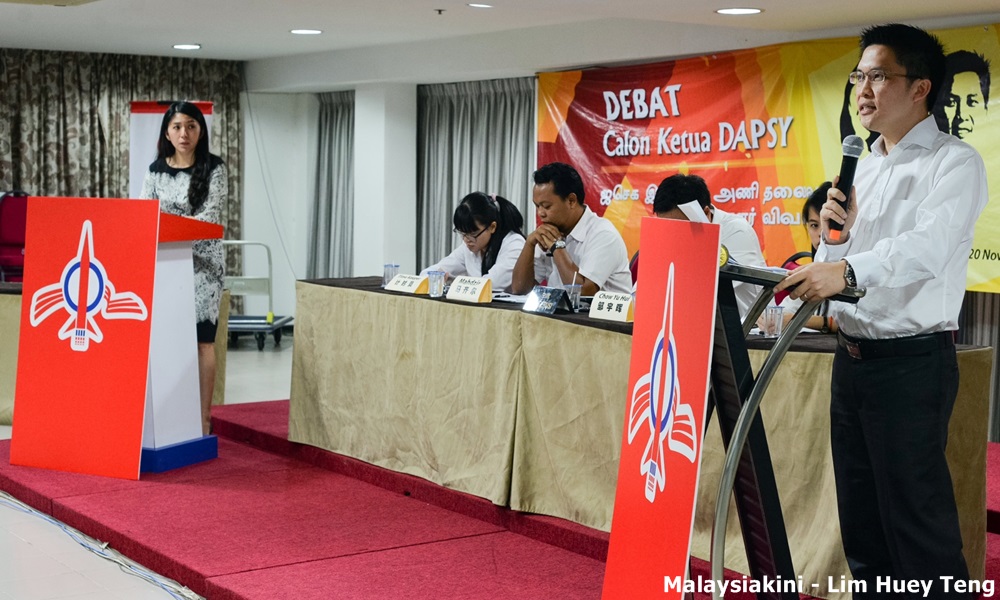
Even DAP holds debates at the youth level, such as when Yeo Bee Yin lined up against Wong Kah Woh in 2015.
The summary from this is simple: debates ought to be present at every level of the democratic process.
The PKR elections
Therefore, it must appear curious that this practice is not brought forward in perhaps the most consequential party polls of the year: the PKR party election.
This is especially true for the party that claims to be the beacon of reform, the amphitheatre of ideals.
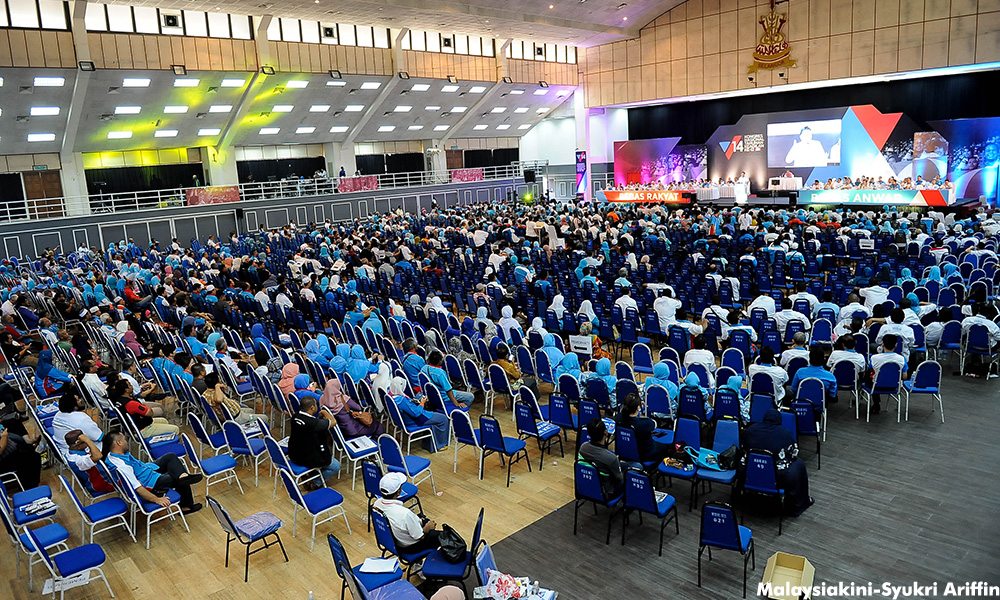
Astro Awani asked if Rafizi Ramli would be willing to debate as deputy president candidate for PKR, and he said yes. But incumbent Mohamed Azmin Ali declined the offer.
Clearly, the big losers here will not be either Rafizi or Azmin, but the party faithful, who are now all eligible voters. PKR is the only party that adopts a ‘one member, one vote’ system, with its membership nearing a million.
Debates could help close the democratic gap since most members typically do not have personal access to the candidates who are running.
They could also provide a proper platform for the voters to evaluate their candidates since there are no alternatives. A manifesto is neither mandatory nor conventional, as it is in general elections. So how else would a voter decide who to vote for?
The upshot of this is that unsavoury and underhanded tactics such as undue influence, vote-buying, and intimidation will likely continue to permeate party elections.
Party elections are always seen as discreet, inscrutable, and shrouded in mystery. I wonder why this must be the case. Public debates help us get closer to the unfiltered version of a candidate.
Wouldn’t that be important in new Malaysia?
JAMES CHAI works at a law firm. His voyage in life is made less lonely with a family of deep love, friends of good humour and teachers of selfless giving. This affirms his conviction in the common good of people: the better angels of our nature. He tweets at @JamesJSChai.
The views expressed here are those of the author/contributor and do not necessarily represent the views of Malaysiakini.


