



CM: 200 buildings will be affected by Penang highway project
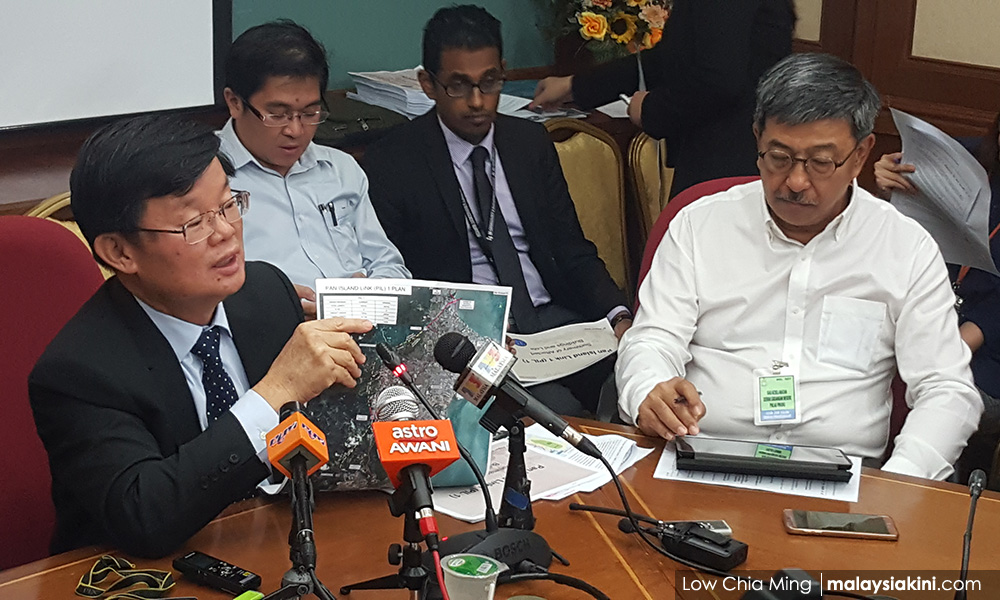
As many as 200 buildings are likely to be affected by the Pan-Island Link (PIL 1) highway, 60 percent of which are squatters and minor structures likes sheds and stores, Penang Chief Minister Chow Kon Yeow said today.
In a press conference at the state legislative assembly, Chow noted that six quarters of the City Park would be affected, but assured that piles would only be placed at the extreme fringes of the park.
He added that those affected by the massive highway project have been consulted on the matter...
As many as 200 buildings are likely to be affected by the Pan-Island Link (PIL 1) highway, 60 percent of which are squatters and minor structures likes sheds and stores, Penang Chief Minister Chow Kon Yeow said today.
In a press conference at the state legislative assembly, Chow noted that six quarters of the City Park would be affected, but assured that piles would only be placed at the extreme fringes of the park.
He added that those affected by the massive highway project have been consulted on the matter.
"We will deal with them according to the National Land Code, they will be compensated accordingly.
"We will listen to all the feedback from those affected. For example, some have asked us to install sound barriers in areas that are close to their residential or commercial areas, and we will look into it,” he told reporters.
The chief minister also noted that the period to submit feedback on the proposed highway's environmental impact assessment (EIA) report has been extended to Sept 7.
"Although the public display will end on Aug 10, time to submit feedback has been extended until Sept 7, and the exhibits on public display will be available online after Aug 10," he added.
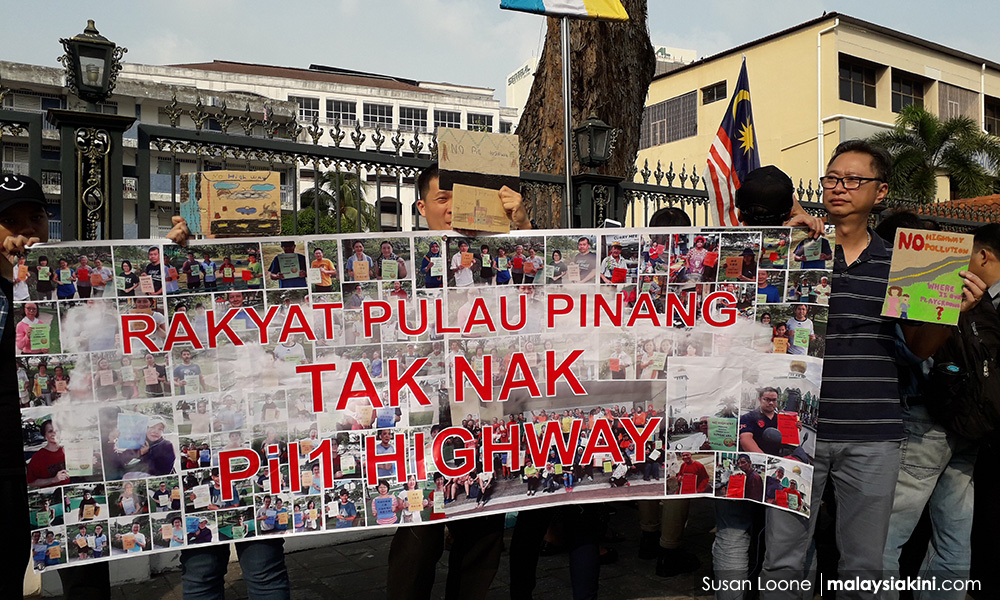
Chow was responding to an ongoing protest by NGOs and individuals against the highway project, who say that blasting through hills to build tunnels and construction via public parks was detrimental to the environment.
'Inching towards completion'
Accompanying him at the press conference was Szeto Wai Loong, the project director of developer SRS Consortium, and special purpose vehicle chief Lim Hock Seng.
SRS Consortium is also the Penang government's project delivery partner for the RM27 billion Penang Transport Master Plan. PIL is part of the plan.
As Szeto explained, chemical blasting will be used to build the four tunnels through Penang Hill – the same method used, he said, in the Penchala Link and Bukit Larut road projects.
"The chemical blasting process is slow and careful, we will do it metre by metre.
"The blasting method is not like how it is done at the quarries, as some might think. The vibration from chemical blasting is controlled and very minimal.
"Before the blasting is done, we need to obtain the approval of the Mineral and Geoscience Department," he said.
Both Chow and Szeto said the process would likely take about five years.
"We are inching our way to it," the chief minister quipped.
Chow also denied that the tunnelling route under the Penang Hill Railway would result in any impact to the hill.
"It's going to be 150m underneath," he said, stressing the the PIL is merely at the proposal stage and still requires federal government approval.


