


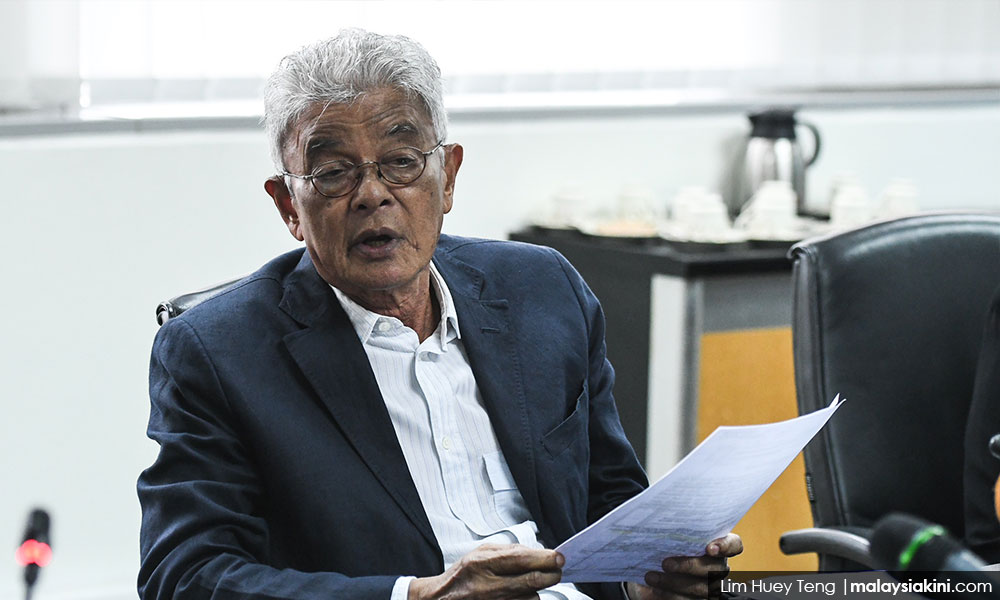

Suhakam calls for human rights ombudsman, with teeth
The Human Rights Commission (Suhakam) has long endured criticism that it is a ‘toothless tiger’ as it is only able to do little more than issue sternly worded reports that have little impact on how the government operates.
Indeed, one of its former chairpersons Hasmy Agam once described the commission as being “worse than a toothless tiger” and more like “a watchdog that is tied to the post...
The Human Rights Commission (Suhakam) has long endured criticism that it is a ‘toothless tiger’ as it is only able to do little more than issue sternly worded reports that have little impact on how the government operates.
Indeed, one of its former chairpersons Hasmy Agam once described the commission as being “worse than a toothless tiger” and more like “a watchdog that is tied to the post.”
Now that a new government is in place, current Suhakam chairperson Razali Ismail has urged civil society groups to lobby the government to set up on an office for an independent human rights ombudsman.
“Human rights cannot be protected by mere words and phrases, or even by the constitution or by law. Human rights – in the experience of other countries – are protected sufficiently only with an adequate machinery that will implement it separately from the government.
“I am talking about an ombudsman," he said during a forum organised by the Centre for Public Policy Studies in Kuala Lumpur today.
“We must convince the government, over time, not in the next 100 days, that we will have to have a structure where there is a third party paid for by the government and created by the government, but thoroughly independent from the government.
“(It should be) more independent than Suhakam, that it will not only be able to protest and write things up to the government but also be able to enforce them in court."
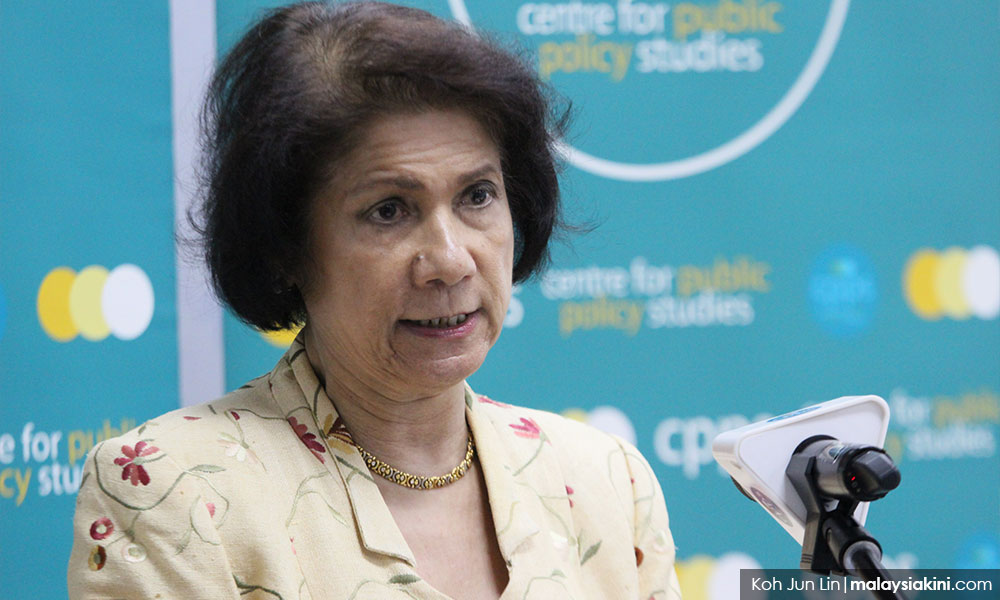
Also on the panel were G25 founding member Noor Farida Ariffin (photo), Malaysian Economic Association former president Mohd Sheriff Kassim, and World Wildlife Fund Malaysia head of policy and climate change Lavanya Rama Iyer.
Razali also admitted that Suhakam had not done enough. Asked about Orang Asli issues, he said it was one of the areas that Suhakam was deficient and promised to make it its number one priority.
He said the commission had wanted to do more, but was unable to do so under previous administrations because it was not allowed to.
“We have a mandate to advise them (the government), but they never took our advice,” he lamented.
Razali also recalled that he had not been able to meet previous home minister Ahmad Zahid Hamidi in his two years as Suhakam chairperson – but has already met Zahid's successor, Muhyiddin Yassin, to talk about issues like marriages and people held in detention, particularly children.
Time to ratify conventions
Meanwhile, CPPS vice chairperson Michael Yeoh (photo) said there should be no further delays in Malaysia ratifying various international human rights instruments, as Pakatan Harapan had promised to do so if it came to power.
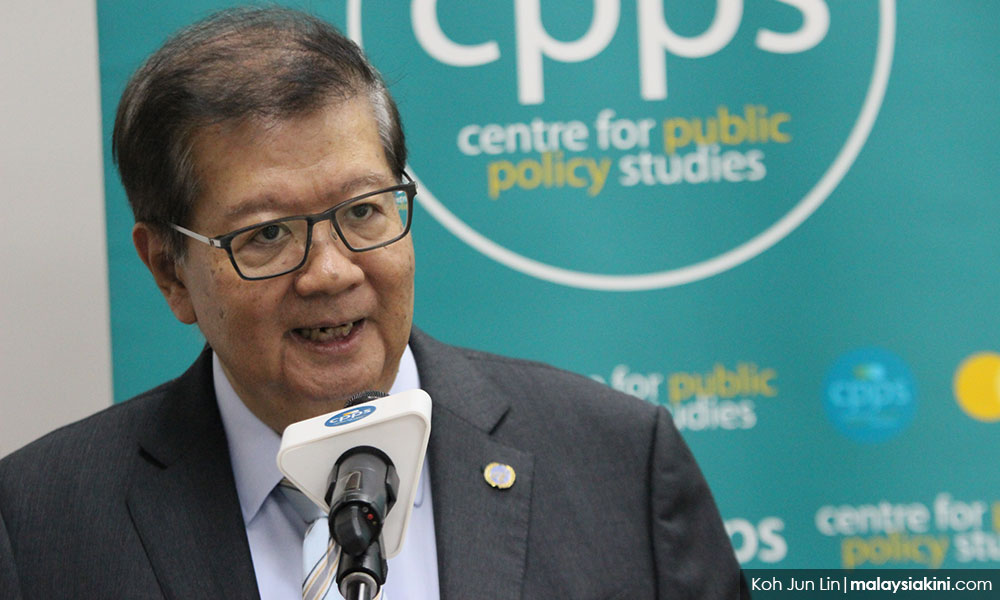
For example, he said, Malaysia was one of few countries that had yet to ratify the Convention against Torture and Other Cruel, Inhuman or Degrading Treatment or Punishment, and it was embarrassing to join countries such as Cuba and N Korea in that category.
Under Promise 26 of its election manifesto, the ruling coalition had promised to make Malaysia’s human rights record internationally respected.
Among other, it said, “Suitable international conventions that are not yet ratified will be ratified as soon as possible, including the International Convention on Civil and Political Rights.”
Yeoh said he also hoped Harapan would consider some of the ideas for reform that were conceived during BN’s administration but were never implemented, such as the Independent Police Complaints and Misconduct Commission (IPCMC), the New Economic Model, and the Equal Opportunity Commission, among others.


