



Challenges for the new transport minister
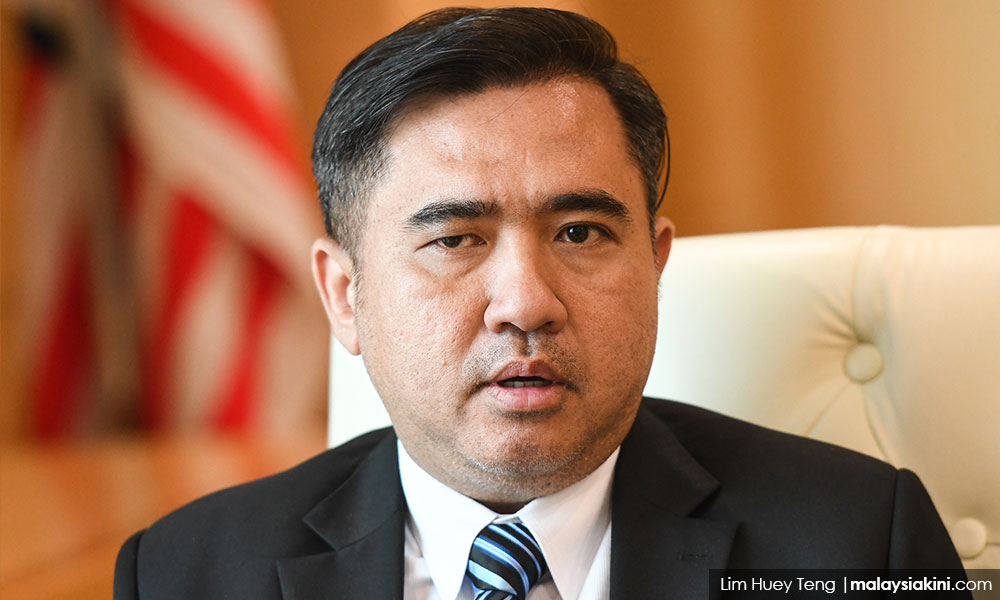
COMMENT | Congratulations to Anthony Loke for his appointment as our new transport minister. He is certainly a good replacement for the previous minister who lost in Bentong in the recently concluded 14th general election.
I am pretty sure Loke is excited about taking over the helm at the Transport Ministry, managing and transforming the transport and logistics sector under the new government of Pakatan Harapan.
Transport, after all, is the nerve centre that keeps everything flowing and moving; it supports economic and commercial activities, and facilitates trade and industry. But it has to be done in a most efficient manner and at an appropriate cost or fare.
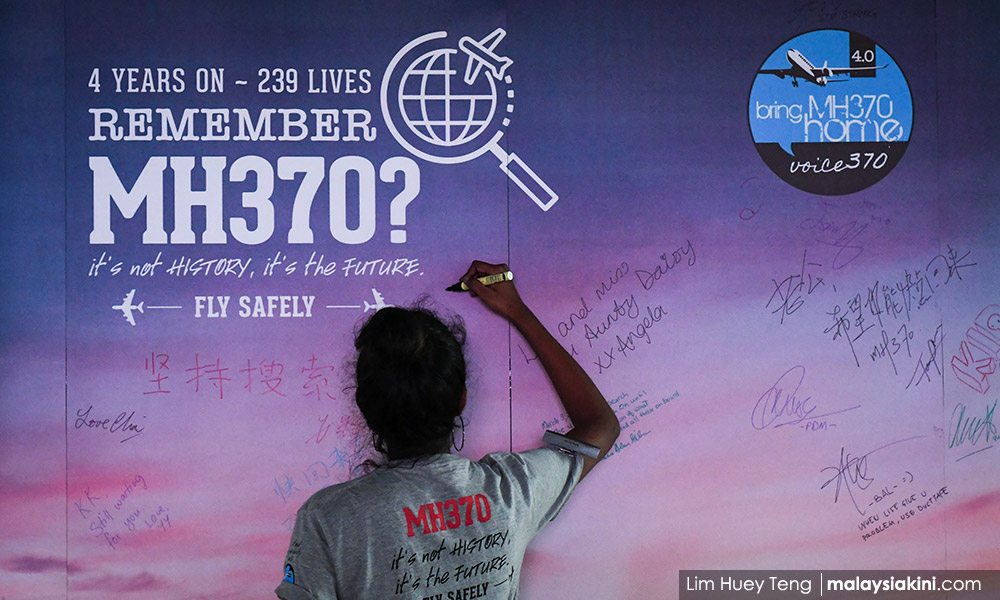
Loke’s immediate statement about closing the search for MH370 and tackling road accidents is spot on.
These are important issues incurred under two of the many departments within the ministry - Aviation and Road Safety - that deserve his undivided attention. Dissolving the Land Public Transport Commission (Spad) and assuming its former role is another new challenge altogether.
As far as MH370 is concerned, Malaysia Airlines (MAS) is owned by Khazanah Nasional, a government-owned conglomerate which should have taken greater responsibility for the issues and performance of the airline before and after the MH370 incident.
Among the many government-linked corporations (GLCs), Khazanah is definitely one that needs to undergo a complete revamp over its failure to manage the business units under its wing. MAS was only one of them...
COMMENT | Congratulations to Anthony Loke for his appointment as our new transport minister. He is certainly a good replacement for the previous minister who lost in Bentong in the recently concluded 14th general election.
I am pretty sure Loke is excited about taking over the helm at the Transport Ministry, managing and transforming the transport and logistics sector under the new government of Pakatan Harapan.
Transport, after all, is the nerve centre that keeps everything flowing and moving; it supports economic and commercial activities, and facilitates trade and industry. But it has to be done in a most efficient manner and at an appropriate cost or fare.
Loke’s immediate statement about closing the search for MH370 and tackling road accidents is spot on.
These are important issues incurred under two of the many departments within the ministry - Aviation and Road Safety - that deserve his undivided attention. Dissolving the Land Public Transport Commission (Spad) and assuming its former role is another new challenge altogether.
As far as MH370 is concerned, Malaysia Airlines (MAS) is owned by Khazanah Nasional, a government-owned conglomerate which should have taken greater responsibility for the issues and performance of the airline before and after the MH370 incident.
Among the many government-linked corporations (GLCs), Khazanah is definitely one that needs to undergo a complete revamp over its failure to manage the business units under its wing. MAS was only one of them.
Airlines and airport terminals
This brings us to the core of an airline industry discussion that is fast changing; both in terms of the market and its technology.
Airlines route service licences are still regulated by the Transport Ministry, despite calls for an open sky policy, especially for the domestic sector.
The Transport Ministry can undertake a review of this policy, if there is one, or work on a more liberated air policy initiative for better capacity and competitive air services, if that is the ultimate intention for our aviation sector.
Among many ways to improve, the Transport Ministry should aim to review air policy matters, airport and air services planning, including provision of rural air services and air services funding for the remote areas of Sabah and Sarawak.
The Transport Ministry also owns and regulates domestic and international airports through the Civil Aviation Authority, which controls what is termed as the “aeronautical operations” of all airports in the country.
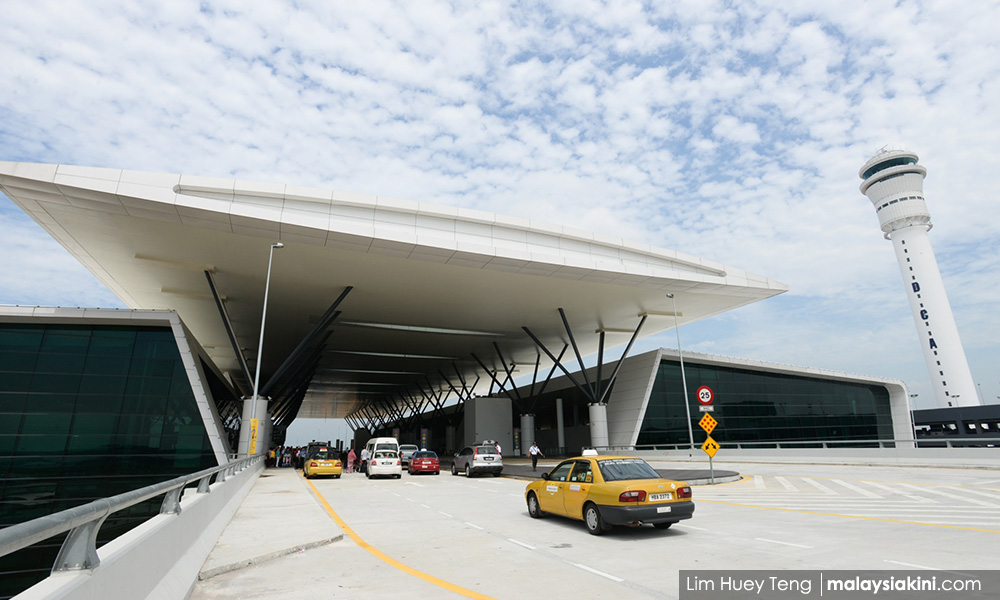
However, the management of airport terminal buildings and their day-to-day operations (the “non-aeronautical” aspects) are now grouped together under Malaysia Airports Berhad (MAB).
Airport terminals, the more lucrative side of aviation services, such as those in Kuala Lumpur, Kuching, Kota Kinabalu, Penang and others (except Johor Bahru, which has been privatised) are managed by MAB, a listed entity that is actually owned and managed by the Finance Ministry. However, the planning and expenditure for airport extensions are very much still with the Transport Ministry.
One way forward that can be considered is to privatise some of these airport terminal buildings on an individual basis and free them all from the clutches of MAB, a firm that is not efficient and costly for the Finance Ministry to retain in the long run.
MAB’s interest is to run nothing more than the Kuala Lumpur International Airport (KLIA) and KLIA 2. They hardly have any measurable interest in regional airport growth.
If adopted, this second round of privatisation exercise can be done in the same way that JB airport was privatised in the early 2000s. This method will generate good revenue for the government and allow them to avoid spending more on future airport expansions.
This approach can also be complimented by having new and privately funded airlines to use some of these airports as their base instead of focusing solely on KLIA2. In this way, regional airports such Penang, Kuching, Kota Kinabalu and possibly other smaller airports too could prosper and take the lead in the aviation services sector.
Road safety and KTM Strategy
Similarly, in the case of road safety, the Transport Ministry is hardly involved in the planning of roads and highways in this country.
This responsibility lies with the Works Ministry (via the Public Works Department for major roads) and another dedicated body, the Malaysian Highway Authority (MHA) which “calls the shots” when it comes to highway planning, approval for highway concession and construction, setting of toll rates and the most pertinent of all, determining the safety standards for roads and highways.
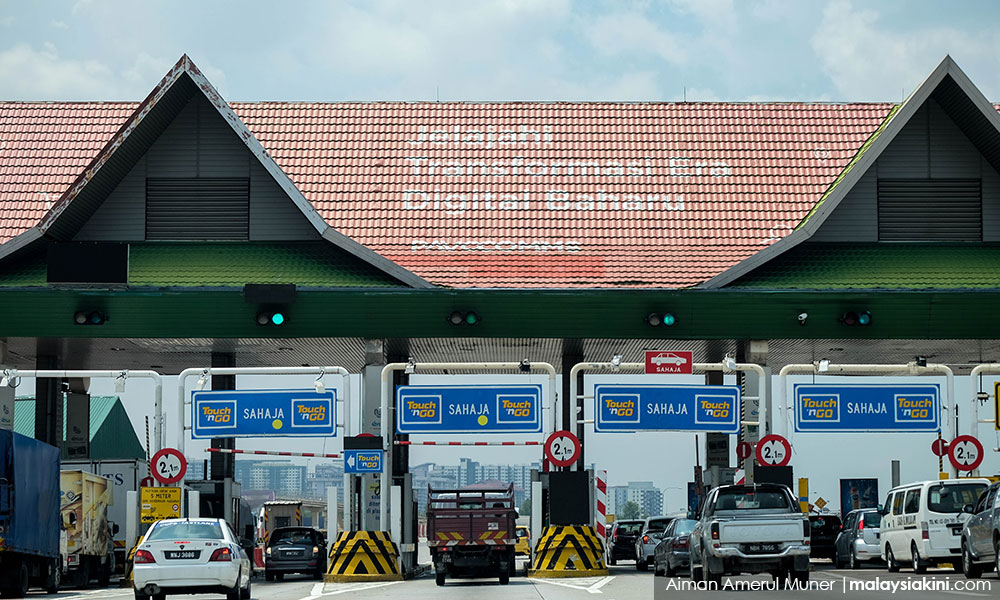
This last element of determining the safety standards for roads and highways, is very much related to the number of vehicles using the highway, especially heavy goods vehicles.
Perhaps, in relation to rail as an alternative mode of transport, this modal shift from highways to railways is a key point that is related to the issue of road safety. This is, I believe, what the Minister had in mind when he spoke about road safety.
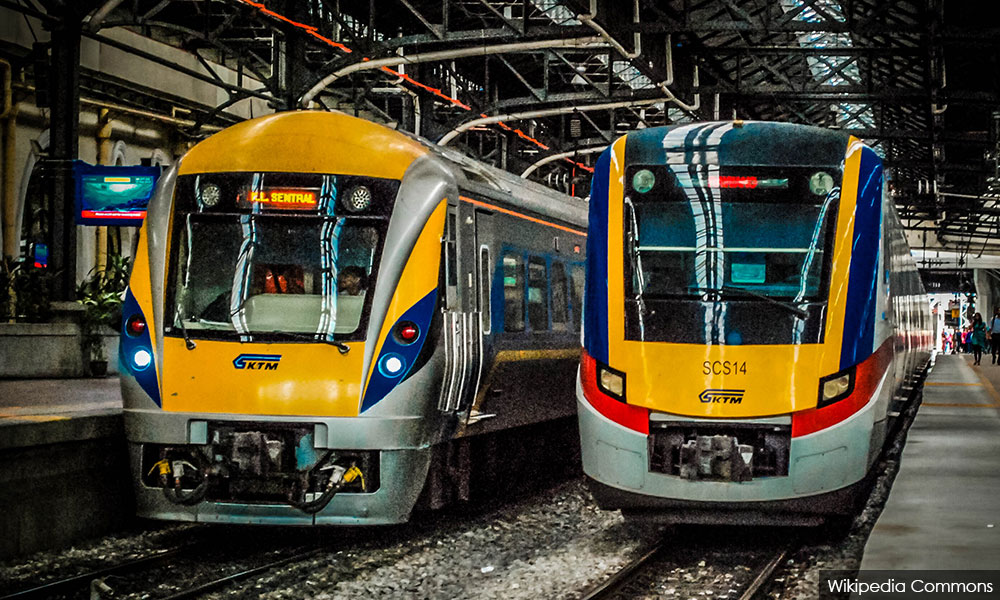
KTM has an under-utilised network of railway lines from Padang Besar to JB and Gemas to Tumpat, that could be transformed to service the freight transport market.
It may require new investment for several transit points or freight villages in order to receive or transfer cargoes within the local road transport network for local distribution, but it has a big potential to tap into the long-haul market.
By this KTM strategy, highways would be free of heavy goods vehicles, thus making it safer for other road users.
It is also in line with this strategy to encourage long-distance travel via railways instead of by private cars. Thus, KTM passenger services must be upgraded to meet the expectations of long-distance travellers. It will lead to fewer cars travelling for long distance on the highways, and would therefore reduce the chances of road accidents.
Actually, KTM used to be under the Transport Ministry. But now, it is only the rail assets, land and tracks that are actually owned by an agency, Railway Assets Corporation (RAC) which is placed under the ministry.
RAC, on the other hand, is slowly being turned into a regulatory authority, although its main activities, at the moment, are more like that of a property developer, developing what it terms as transit-oriented development (TOD) together with private sector developers.
Many of these developments, on what used to be KTM lands, upon closer scrutiny, do not actually benefit KTM financially. Turning them into freight villages or transit points for heavy goods vehicles would definitely be a better alternative and could support the above KTM strategy.
Port Authorities
The minister may also have been briefed about the other departments within the ministry: The Road Transport Department, which is responsible for the registration and collection of road tax for road motor vehicles and training of drivers, and the Marine Department, which is responsible for maritime vessel registration, administration of vessel movements at ports and collection of port and light dues.
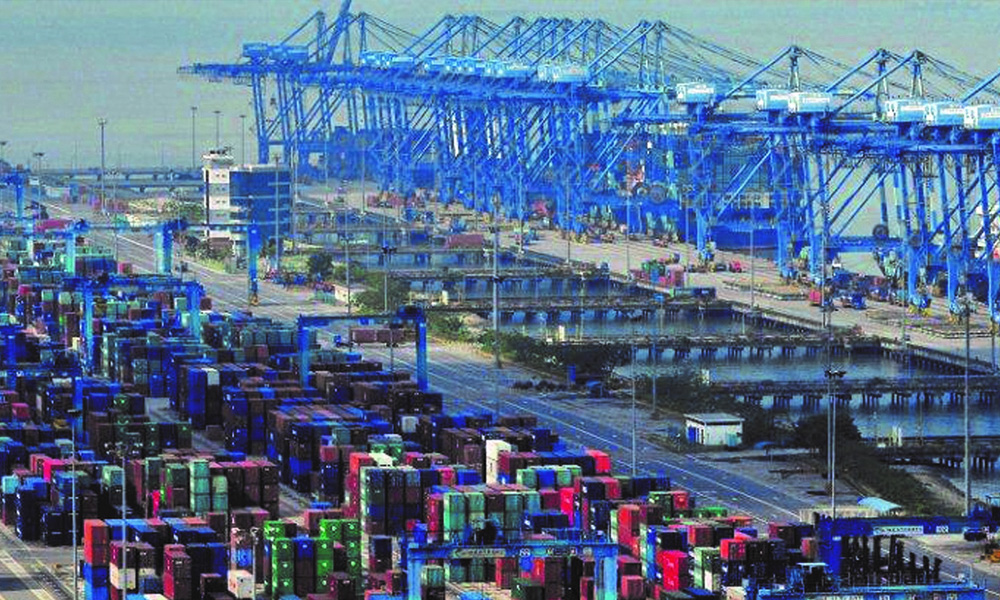
Aside from these two fairly large and important revenue-collecting departments, there are several port authorities, which are basically dormant organisations, as their key roles in port operations have long been privatised during the previous era when Mahathir was helming the country and privatisation was high on his agenda.
Today, port authorities have a limited role to play despite the large headcount in the respective organisations. Port operations are entirely in the hands of the private sector companies. Further staff rationalisation, therefore, is badly needed for many of these government organisations that really have not many duties left.
It has been discussed in the past that there should not be one authority to look after one privatised port. Perhaps, a single authority in the form of consolidated port authorities, grouped into a National Ports Authority (NPA) or Malaysian Port Authority formation (MPA) including those in Sabah and Sarawak, should be considered. This would be a cheaper option for the government in the long term.
Another option is to merge the port authorities with the Marine Department, which is present in every state in Malaysia. This option will definitely save costs for the new government.
These are some of the challenges within the transport sector which the new minister may like to consider and look into immediately.
ROSLI KHAN has been a practising transport and logistics professional, academician, consultant and company director for over 30 years.
The views expressed here are those of the author/contributor and do not necessarily represent the views of Malaysiakini.


