




Politweet: Twitter observations show stronger support for BN
Social media research firm Politweet.Org has found that support for BN among new voters has increased, based on its observations on Twitter.
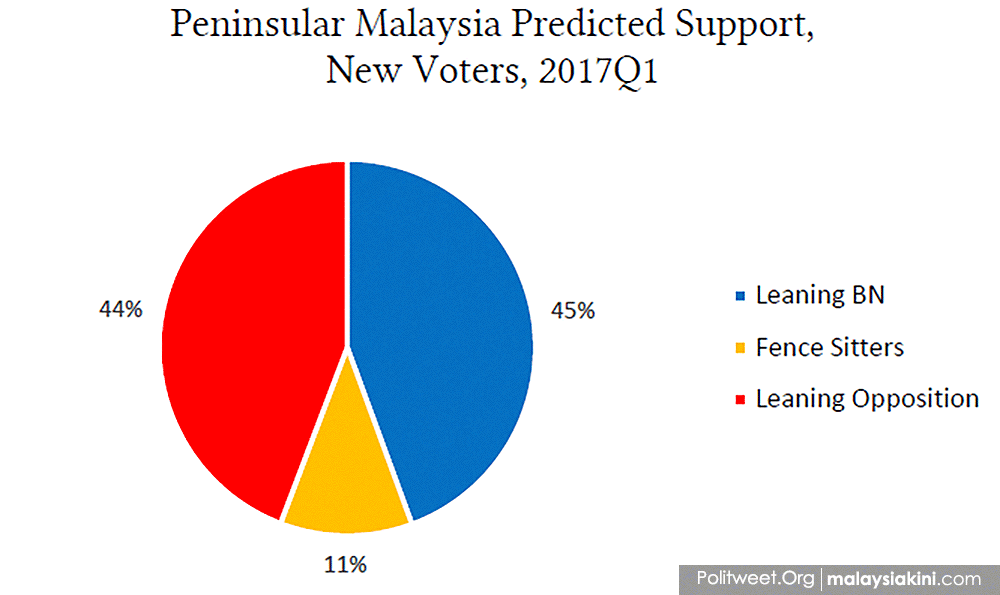
As for the predicted leaning of new voters in the peninsula since the 13th general election up to the first quarter of 2017, the research firm found that 45 percent of the voters leaned towards BN, 44 percent towards the opposition and 11 percent were fence-sitters.
“This is because of the high proportion of new Malay voters in areas that saw stronger support for BN in GE13,” Politweet said...
UPDATED 3.05PM | The research firm finds 45 percent of new voters in the peninsula leaning towards BN.
Social media research firm Politweet.Org has found that support for BN among new voters has increased, based on its observations on Twitter.
As for the predicted leaning of new voters in the peninsula since the 13th general election up to the first quarter of 2017, the research firm found that 45 percent of the voters leaned towards BN, 44 percent towards the opposition and 11 percent were fence-sitters.
It said this was based on its profiling of its Twitter database in Malaysia, which found that users were not expressing much support for the opposition.
“This would indicate that (lack of) support from youths would be a problem in the 14th general election,” Politweet said in its report.
As for Facebook, the research firm said it found that overall interest in political parties in Malaysia has also fallen.
Based on the Facebook activities of Malaysians 21 years old and above, it said 44.83 percent of potential voters had expressed an interest in either BN or the opposition as of April 2014.
That figure increased to 63.57 percent in December 2015, dipped to 55.63 percent in July 2016, and then rose again to 59.38 percent in November 2016.
Since then, however, the figure declined to just 29.50 percent as of December last year.
“Low interest in political parties will make it harder for Harapan to spread their message through social media.
“This is because of the high proportion of new Malay voters in areas that saw stronger support for BN in GE13,” the research firm said.
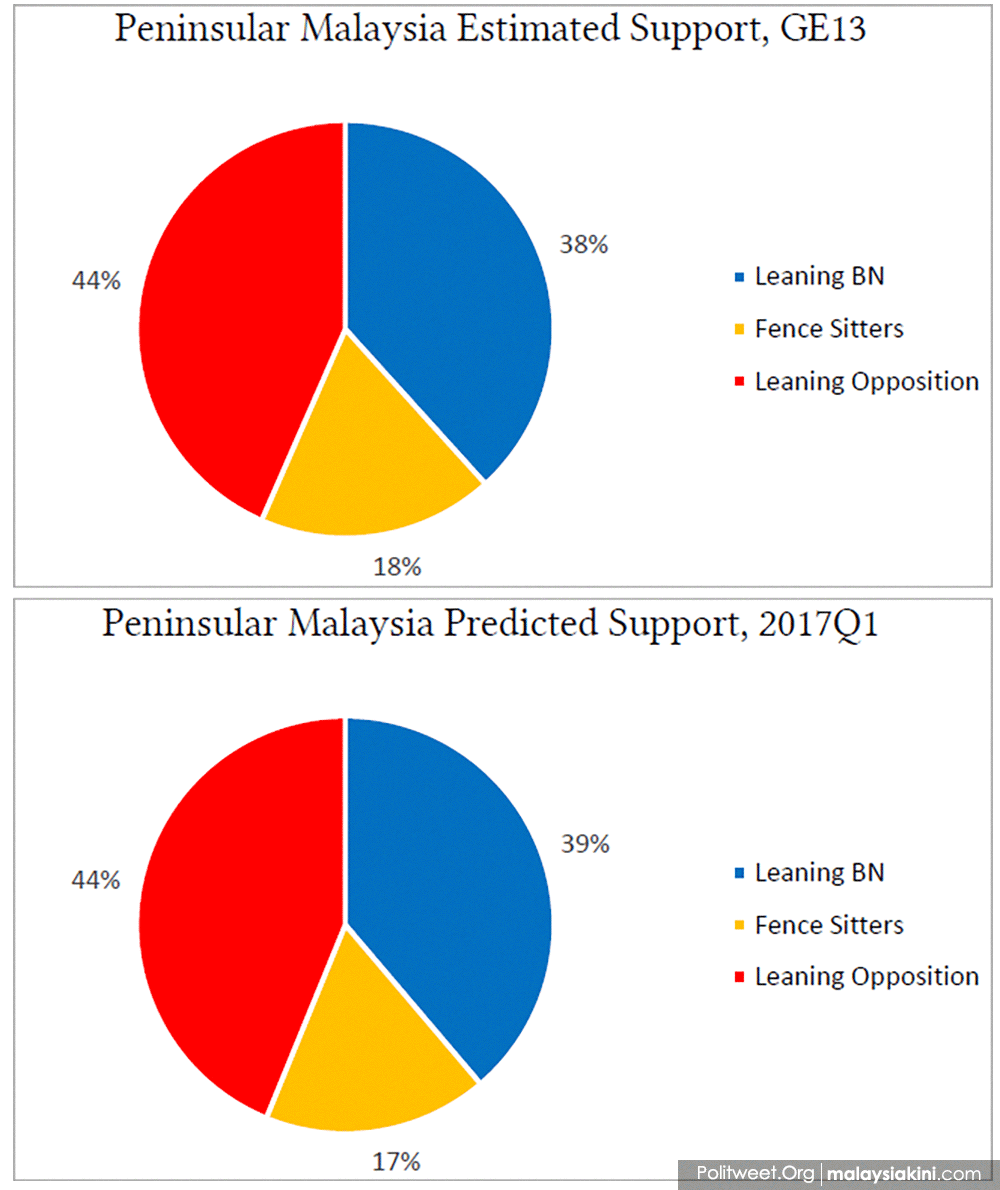
Overall, support for BN increased from 38 percent to 39 percent in the first quarter of 2017 whereas support for the opposition remained unchanged from GE13, at 44 percent.
Politweet said its estimates were based on voter demographics and results of the 12th and 13th general elections at the polling stream level.
This allowed it to estimate each voter’s level of support for political parties, based on factors such as age, race, gender, the constituency involved, and whether it is an urban, semi-urban or rural constituency, among other factors.
“Because individual voters have their own support and swing statistics, we can calculate the proportion of the electorate that is leaning towards the opposition, leaning towards BN and those on the fence.
“Voters who are leaning to BN might still vote for the opposition, so this metric is only an indicator of how good the odds are for the opposition or BN to win support from the electorate,” it said.


