




MP takes Johor gov't to task over ammonia pollution
Will the Johor government be subjected to the same degree of scrutiny by federal government agencies, over the operations of a poultry farm identified as the source of ammonia pollution in the Johor river, as the Penang administration was on an illegal factory issue, DAP's Teo Nie Ching asked today.
In a statement, the Kulai MP also asked whether the Johor government was prepared to be as "open and transparent" as the Penang government when dealing with public outrage on the issue.
Teo was referring to a New Straits Times report on a major water supply disruption that affected some 1.8 million residents in Johor Bahru, Kulai and Kota Tinggi, after operations at three water treatment plants were stopped due to high levels of ammonia found in the raw water from the Johor river...
Will the Johor government be subjected to the same degree of scrutiny by federal government agencies, over the operations of a poultry farm identified as the source of ammonia pollution in the Johor river, as the Penang administration was on an illegal factory issue, DAP's Teo Nie Ching asked today.
In a statement, the Kulai MP also asked whether the Johor government was prepared to be as "open and transparent" as the Penang government when dealing with public outrage on the issue.
Teo was referring to a New Straits Times report on a major water supply disruption that affected some 1.8 million residents in Johor Bahru, Kulai and Kota Tinggi, after operations at three water treatment plants were stopped due to high levels of ammonia found in the raw water from the Johor river.
According to the report, the farm, which operated illegally, was in July last year ordered by the Department of Environment (DOE) to relocate and it was served two notices over land use violation, but the operators had ignored all the directives.
Following the latest contamination, the state government ordered the farm and a factory it operates to convert the manure into fertiliser, to be shut down.
"The million-dollar question is, will anyone be held responsible for the inconvenience caused by the major water supply disruption?" Teo asked.
She said the order for the farm to be shut down now is far from sufficient, as reports state that the culprit had been responsible for two cases of ammonia pollution before, and no action was taken then.
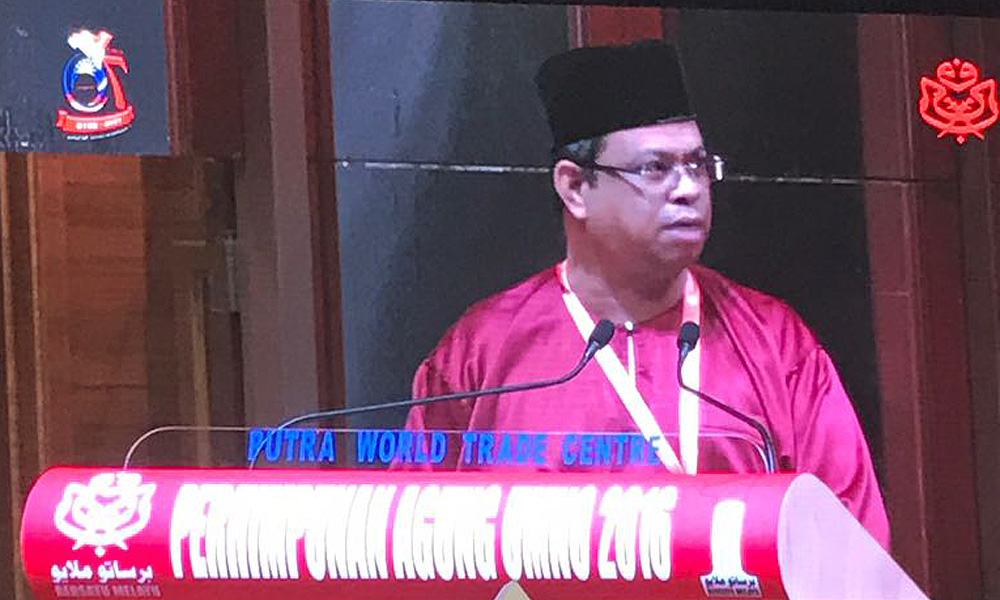
Teo also noted that the Johor Health, Environment, Education and Information Committee chairperson, Ayub Rahmat (photo), had admitted that the farm had no approval from DOE.
"The Penang government was heavily criticised for approving the Tanjung Bungah affordable housing project despite DOE’s disapproval.
"The state government has explained that it was because it received the approval from the Department of Minerals and Geoscience (DMG), the agency responsible for mining activities, as well as slope and soil stability, and that the DOE has no objection to the Tunku Abdul Rahman College project, which is located adjacent to the accident site.
"So now, can Johor government be as transparent as the Penang government and provide reasons why the project was allowed despite DOE’s disapproval?" Teo said.
On reports about the factory not adhering to proper storage techniques for its fertiliser, Teo queried why no steps were taken to ensure the owner had followed all technical requirements before the factory was allowed to operate.
The water supply disruption could have been avoided if the Johor government had adhered to the advice of the relevant agencies and acted against the farm and the factory much earlier, she added.
In another statement, Johor Amanah said its members paid a visit to the site of the farm and found that a retention wall that separated the manure container and the river had broken, leading to the chicken droppings to flow into the water in large quantities.
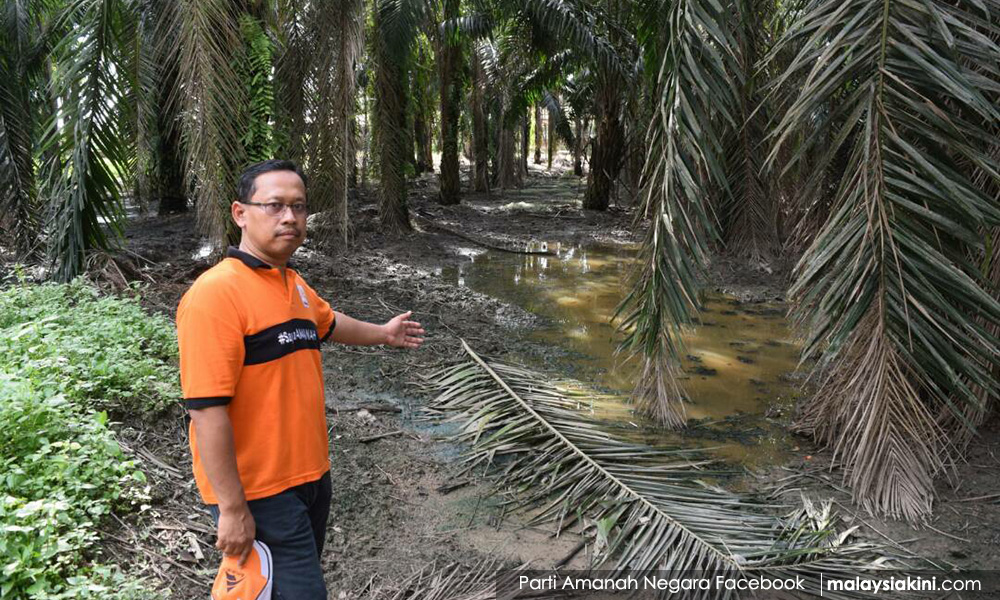
"An oil palm plantation surrounding the farm was filled with the residue. It was disgusting and the smell was horrible.
"Apart from the poultry farm, our party also found sand mining activities taking place there, and the operators had changed the trajectory of the Sungai Sayong flow.
"We are extremely saddened by this incident, against which we have voiced out many times. However, no action was taken by the local authorities.
"The local authorities must ensure that all poultry farmers, oil palm factories and farmers in the area, abide by the rules, and those who don't, should be sternly punished," Johor Amanah chairperson Aminolhuda Hassan said in the statement.


