



Deconstructing TRX and Bandar Malaysia
KINIGUIDE | This is to understand what the gov't plans to achieve, and what troubles have developed along the way.
KINIGUIDE | Bandar Malaysia has been making headlines since Putrajaya's decision to spike a deal to sell 60 percent of the project to a Johor-China consortium.
This followed a long lull in news regarding the development and its sister project Tun Razak Exchange (TRX) - both of which have played a significant role in the 1MDB saga.
Malaysiakini deconstructs both projects to understand what the government plans to achieve, and what troubles have developed along the way.
What is TRX and Bandar Malaysia?
Bandar Malaysia and TRX are sister projects about five kilometres apart and managed by TRX City Sdn Bhd - formerly known as 1MDB Real Estate Sdn Bhd.
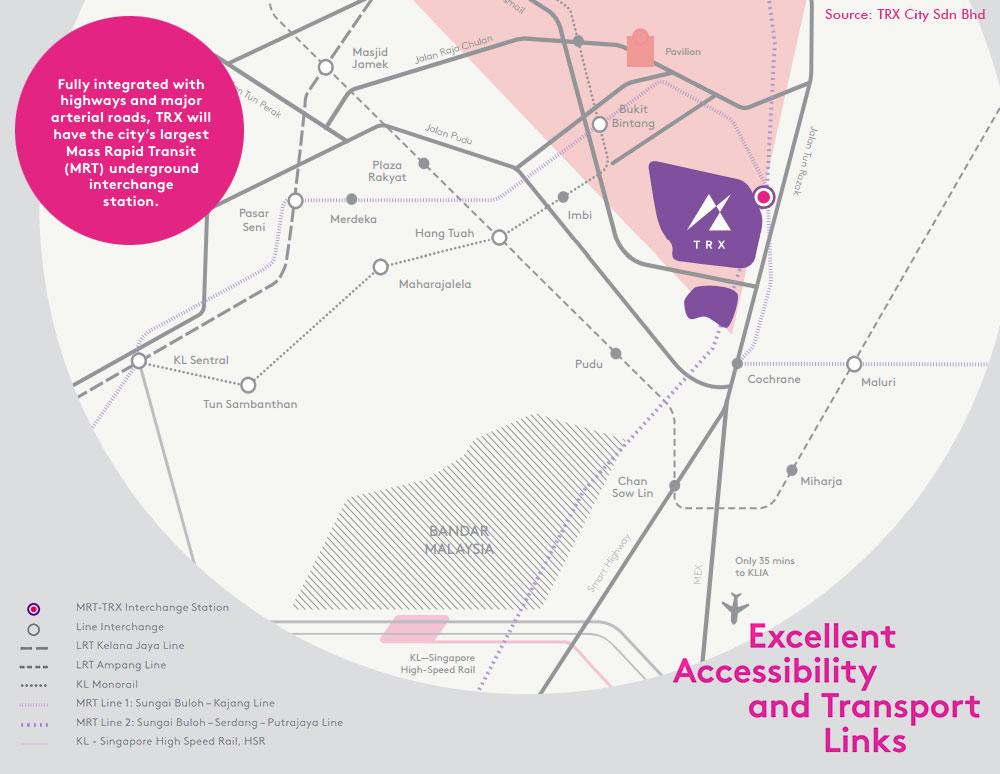
Situated at the intersection of Jalan Tun Razak and Jalan Sultan Ismail, TRX is meant to be an international financial district.
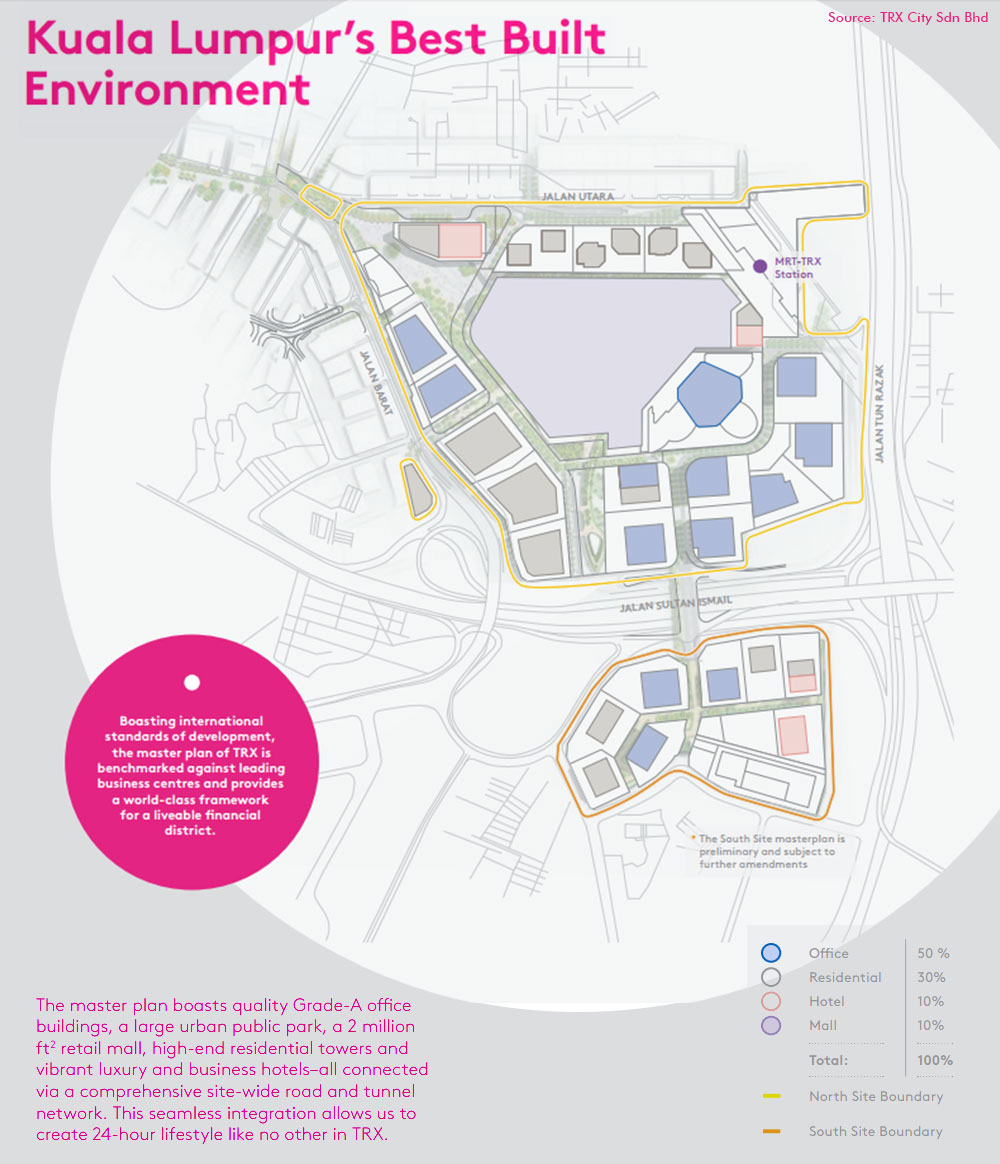
According to its website, the master plan for the 28-hectare development will feature at least four "investment grade A" office towers, two five-star hotels, six "up-scale" residential towers, a lifestyle retail mall and a large urban park.
Essentially, TRX appears to be geared to become Malaysia's version of Midtown Manhattan, New York - the home of most of the US' big financial giants.
 Among the companies that have bought into TRX are Mulia Property Development Sdn Bhd, Affin Bank, Lembaga Tabung Haji, WCT Precious Development Sdn Bhd and Lendlease Group.
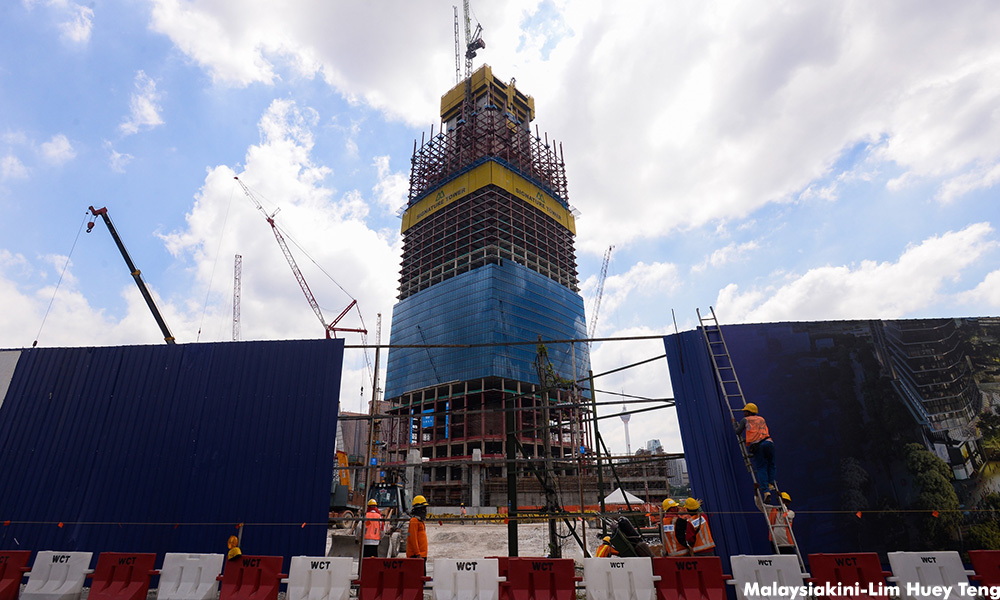
Lendlease is developing a 17-acre Lifestyle Quarter in TRX on a 60-40 joint-venture with TRX City. The quarter will house Signature Tower, which is set to be the second tallest building in Kuala Lumpur.
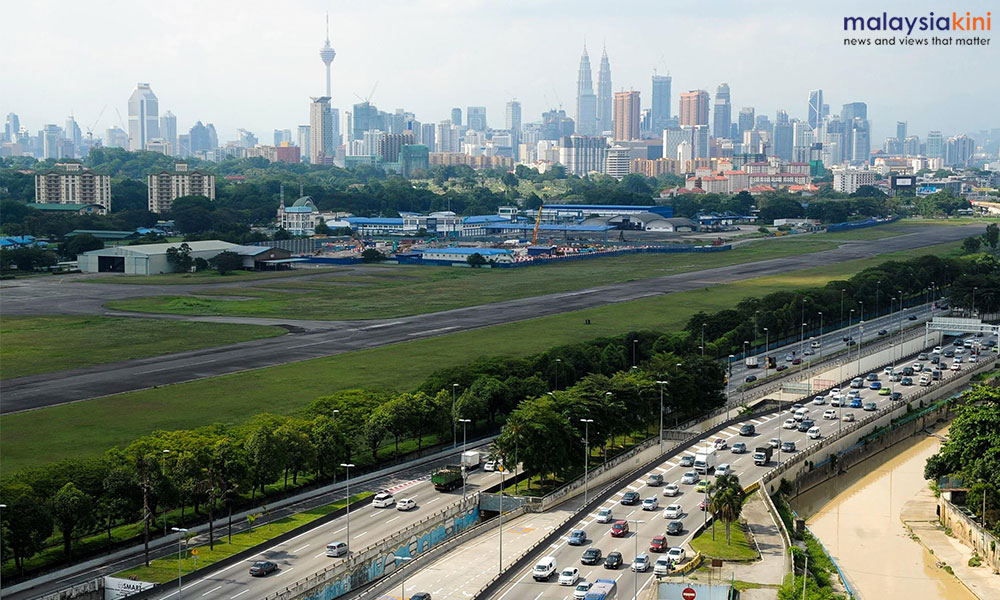
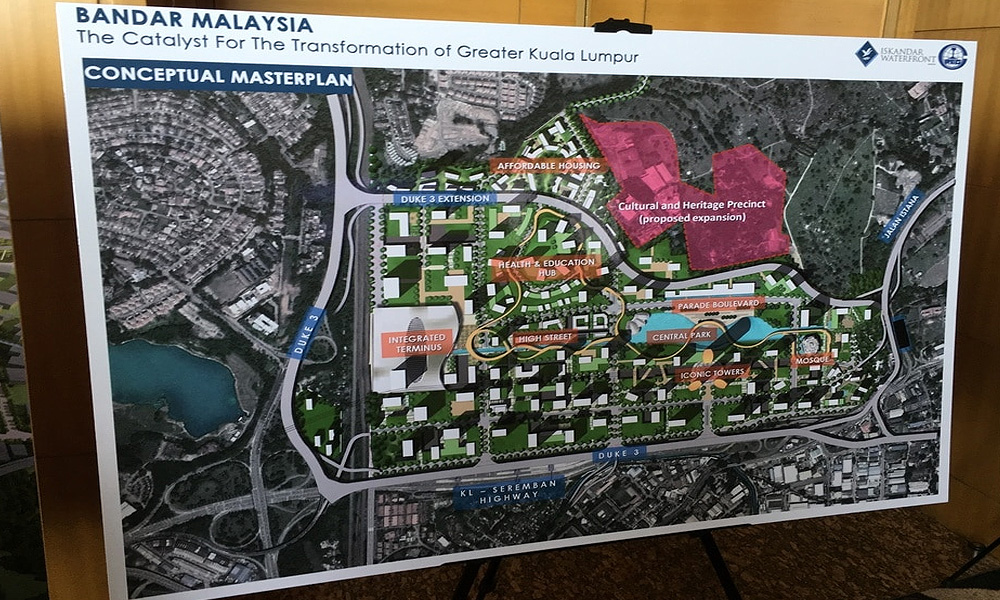
 Meanwhile, Bandar Malaysia is set to be developed where the Royal Malaysian Air Force (RMAF) base in Sungai Besi is located.
Prime Minister Najib Abdul Razak has a grand vision for the 194ha mixed development, which he said must have "great content, great cultural value" and be a "tremendous entertainment attraction".
Among others, Najib wants it to be the new KL Internet City - the key hub of the world's first Digital Free Trade Zone.
He also wants Bandar Malaysia to be a transport hub, hosting the Kuala Lumpur-Singapore High Speed Rail station, the MRT and connections to KTM Komuter, the Airport Express Rail link and twelve highways.
As of writing, a master developer for the project has yet to be appointed, although China's development giant Dalian Wanda group appears to be a front-runner for the job.
The RMAF base which Bandar Malaysia will replace, has also yet to be relocated.
What criticisms have both projects faced?
TRX and Bandar Malaysia both came under intense scrutiny because the government had sold the land it occupies for below market price. 1MDB then re-sold the land at a far higher price.
This can be best observed in TRX, which 1MDB said it had paid RM230 million or RM76 per square feet (psf) for the 28 ha land - although its 2011 financial statement indicate the land was bought for just RM194 million (RM64 psf).
However when pilgrimage fund Tabung Haji bought into TRX in 2015, the price had skyrocketed to about RM2,773 psf with the firm paying RM188.5 million for 0.63ha.
1MDB has defended the price at which it purchased the land, saying it was fully owned by the government and that any rise in land value would also benefit the government.
But in Tabung Haji's case, there was an uproar as the firm is a public fund. Its decision to buy land in TRX had sparked concerns that public monies were being used to bail out 1MDB, which at the time had RM42 billion debts.
 Monetising TRX and Bandar Malaysia land was part of the government's 1MDB debt-restructuring plan.
To monetise Bandar Malaysia - which 1MDB paid close to RM1.7 billion for 194ha (RM74 psf) - the government first sold off a 60 percent stake in the project to a consortium of Iskandar Waterfront Holdings (IWH) and China Railway Engineering Corporation (CREC).
Coupled with the sale of a separate 1MDB asset - Edra Global Energy - to another China GLC, critics raised concerns that Malaysia's sovereignty was being undermined in order to save 1MDB.
What is going on now?
TRX has been out of the limelight ever since the scandal involving Tabung Haji subsided in late 2015, with construction progressing at the site.
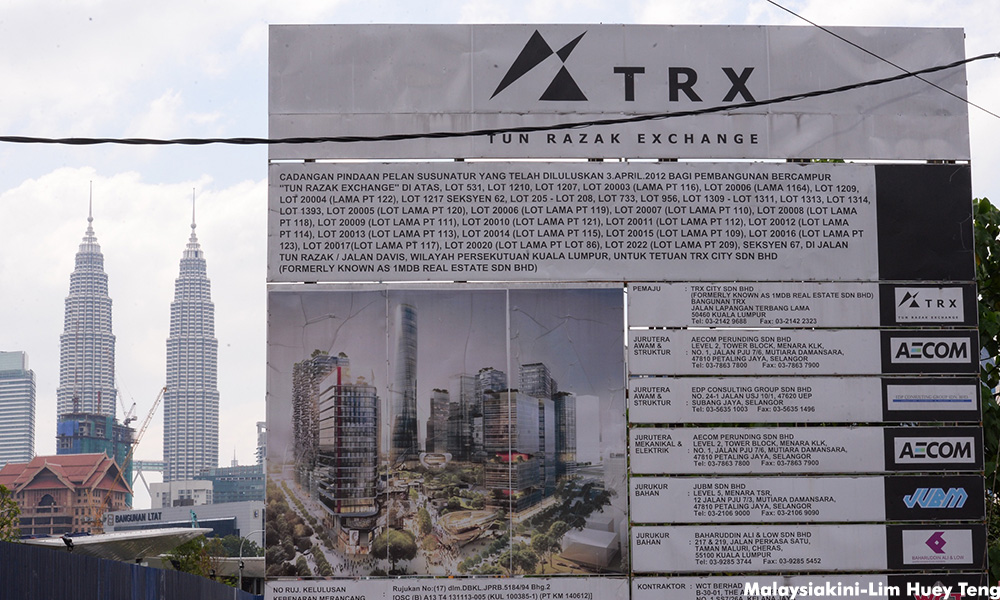 The government had also said that it will no longer be selling land at TRX for the next two to three years, to give space for infrastructure development, and for land prices to soar further.
Bandar Malaysia however, has remained a talking point since the RM7.41 billion IWH-CREC deal.
Interest in the project surged when the government spiked the deal with the consortium, claiming it had failed to meet payment obligations despite repeated extensions.
The consortium however denied this and said it had made all the necessary payments.
Despite this, the government returned the RM741 million deposit IWH-CREC paid for the project, and Najib the decision to axe the deal is final.
What is next?
Putrajaya is currently in talks with China construction giant Dalian Wanda group, which has expressed an interest to become Bandar Malaysia's master developer.
While Najib has expressed confidence in Dalian Wanda's capabilities, he also indicated that other parties can bid to become the project's main developer.
Najib has said the selection of a new master developer will follow strict criteria including "a proven track record, speed of delivery, content creation" as well as the ability to deliver on a grand scale project.
The deadline for proposal submissions is on June 30, and a final decision is expected to be made on July 14.
This instalment of KiniGuide is compiled by Zikri Kamarulzaman.


