



The myth of the budget consultation process
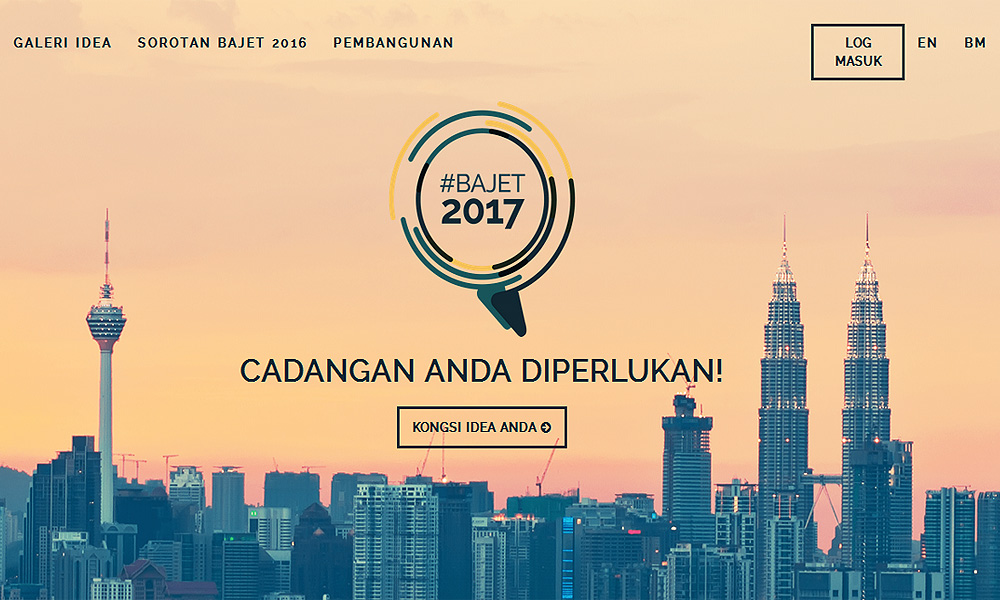
It is that time of the year where ideas and proposals are sought from the public for input into the annual national budget.
Malaysia has been having its annual budget consultation (or budget dialogue) sessions for a long time, since Tengku Razaleigh Hamzah was finance minister, if I am not mistaken.
In the early years, the consultation process was kept small and lean, confined mainly to captains of industries, trade associations, chambers of commerce, research institutions and certain high-profile individuals.
Over time, especially when Anwar Ibrahim was finance minister, the process became more ‘political’ and ‘populist’, with many more parties invited to participate. I remember it was common to see budget dialogue sessions held in different parts of the country with grandeur and pomp.
Forgive me if I appear elitist, I think we have carried out the budget consultation process too far. Feedback is important but ultimately they can’t replace the role of policymakers and macroeconomists to come up with coherent and appropriate budgetary policies and programmes each year.
When we ask the common folk such as taxi drivers, small farmers, students and factory workers for budgetary ideas, may I know what can they tell us other than more Bantuan Rakyat 1Malaysia (BR1M), scholarships, subsidies and welfare payments? Are they not looking to leadership and ideas from policy makers to change their life in the first place?
If common folk could discern coherently and holistically what they want, I think it is easy to be finance minister and secretary-general of the Treasury.
Similarly, what can captains of industries, entrepreneurs and business people tell us about the budget other than more tax breaks, incentives and more government senseless spending to boost their insatiable appetite for more projects and profits? We should have learned a long time ago - what is good for business people may not be always good for the economy.
Ultimately, the finance minister and his policy advisers must bear the responsibility to come up with a coherent budget able to mitigate the challenges faced by the economy. The preoccupation is not whether or not the budget is people friendly or able to dish out more welfare or tax breaks. That is a ‘Santa coming to town’ budget, not the real budget.
A real budget must be able to correct the imbalances in the economy, at least incrementally. Have we ever used the budget to rein-in the reliance on foreign labour? Have we ever used the budget to revise the undue advantages accorded to privatised entities? Have we ever used the budget to prioritise spending, focusing on capacity building rather than on paper shuffling, corporate manoeuvring and more micro-managing like setting up 1kedai, 1textile, 1buku and 1menu programmes. National budget must reduce distortions, not create new ones.
The budget must help to preserve the value of ringgit, keep inflation rates low, and foster fair wages among workers. Price control and enforcement can’t do much to contain the high cost of living; managing inflation and market competitiveness does. Once the budget has helped to keep the macroeconomic variables on an even keel, the rest will fall into place.


