



Share good deeds of foreign workers to change misconception
Netizens are urged to help overcome the community's negative perception towards foreign workers by sharing the latter's good deeds via social media.
This was proposed by NGO North South Initiative (NSI) director Adrian Pereira to address the misgivings Malaysians have on foreign workers, particularly the 1.5 million Bangladesh workers the country plans to recruit in the next three years.
Netizens are urged to help overcome the community's negative perception towards foreign workers by sharing the latter's good deeds via social media.
This was proposed by NGO North South Initiative (NSI) director Adrian Pereira to address the misgivings Malaysians have on foreign workers, particularly the 1.5 million Bangladesh workers the country plans to recruit in the next three years.
From the reactions of netizens, he noted that Malaysians felt threatened, thinking that the Bangladeshis would steal their “jobs, women and votes”.
"Animals fight for mates, food and a place to stay. I hope people will not act like animals. I am not saying Malaysians are animals, but you can see all these (hateful postings) in Facebook," he said.
"We should know the reason they were here (in first place) - the failure in economic planning in their own countries and they are not paid accordingly," he added.
Despite that crimes involving foreigners remained low, he said a two-year-old survey of International Labour Organisation (ILO) showed that 80 percent of Malaysians looked down on foreign workers.
The way media organisations played up certain news involving foreigners have also resulted in the negative perception of Malaysians.
"There was a report that claimed Selayang Market was controlled solely by immigrants. Another story said the people were threatened by Myanmar workers. That was scary," he added.
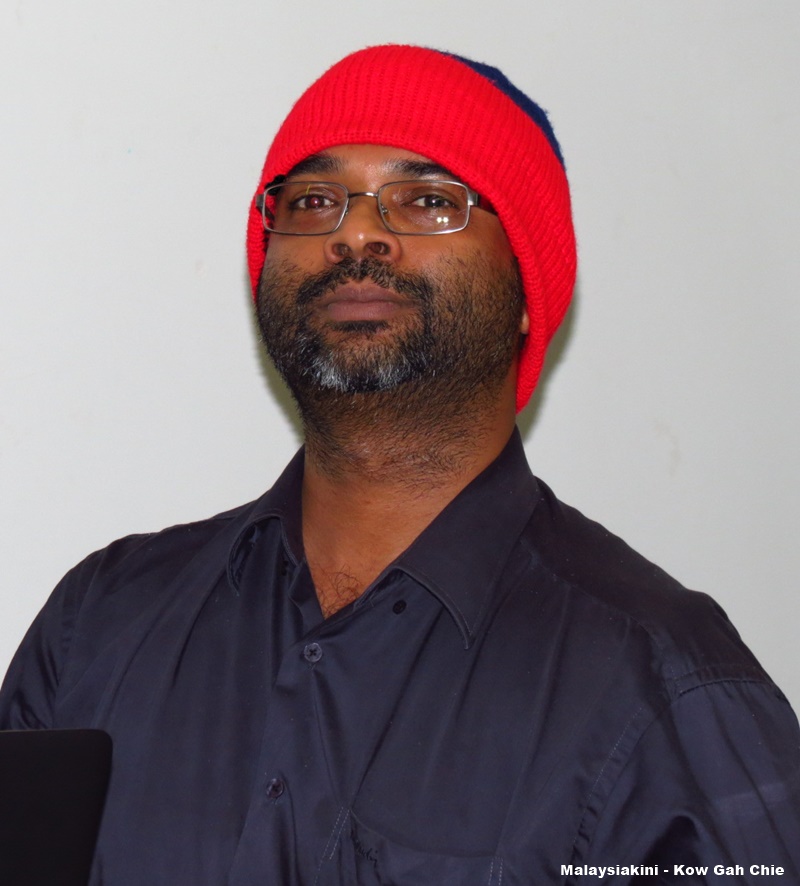 "The media has caused fear among Malaysians. Maybe there was a little truth in the news, but it wasn't present in an overall picture and this has become a big issue here," lamented Pereira (
photo
).
"The media has caused fear among Malaysians. Maybe there was a little truth in the news, but it wasn't present in an overall picture and this has become a big issue here," lamented Pereira (
photo
).
"I call for the people to spread the many positive stories when they interact with the foreign workers. I myself was twice assisted by them when I had a flat tyre."
He also questioned the mindset of Malaysians in dealing with the foreign workers they have hired.
"(A factory) even advised its workers to urine only once in the afternoon to ensure productivity," he said.
According to him, other cases such as about 400 young Nepal workers had died from heart attacks, workers forced to work 16 hours per day, while some toiling for eight years without leave, were equally alarming.
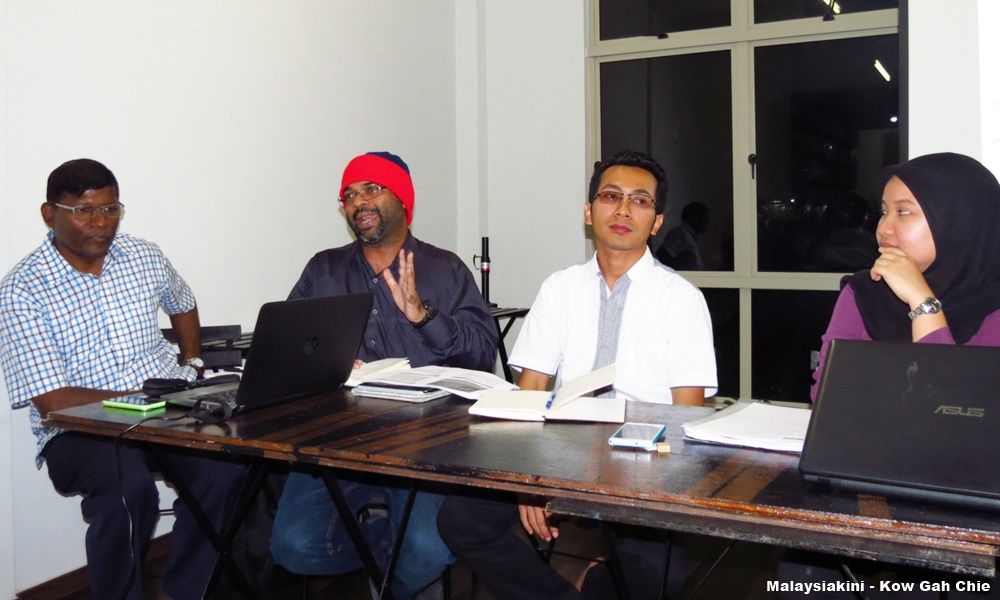
Pereira was speaking at a foreign workers forum organised by Projek Dialog last night.
Other speaker included Indonesian Migrant Worker Union spokesperson Ridwan Wahyudi and Malaysian Trade Union Congress (MTUC) leader S Somahsundram. The forum was moderated by Projek Dialog project organiser Maryam Lee.
More than 50 people attended the forum to share their views on how to improve the treatment of foreign workers and their rights.
Spectre of corruption
Somahsundram alleged that many enforcement agencies which deal with migrant workers issue were corrupted.
"For your information, the laws protect the migrant workers [...] But these laws cannot be used and should be put into the museum," he said.
He also alleged that under-table money had to be paid to a few agencies to repatriate the bodies of migrant workers who died in the country.
 "The Indonesia high commissioner had told me that there was (no bribe) in his country when they are dealing (with the death of the workers). But (our officers) take bribe (for sending home) the remains," he added.
"I once worked in Indonesia for two years. I like their country more than my own. You know why? Their corruption has reduced. They are improving," he said.
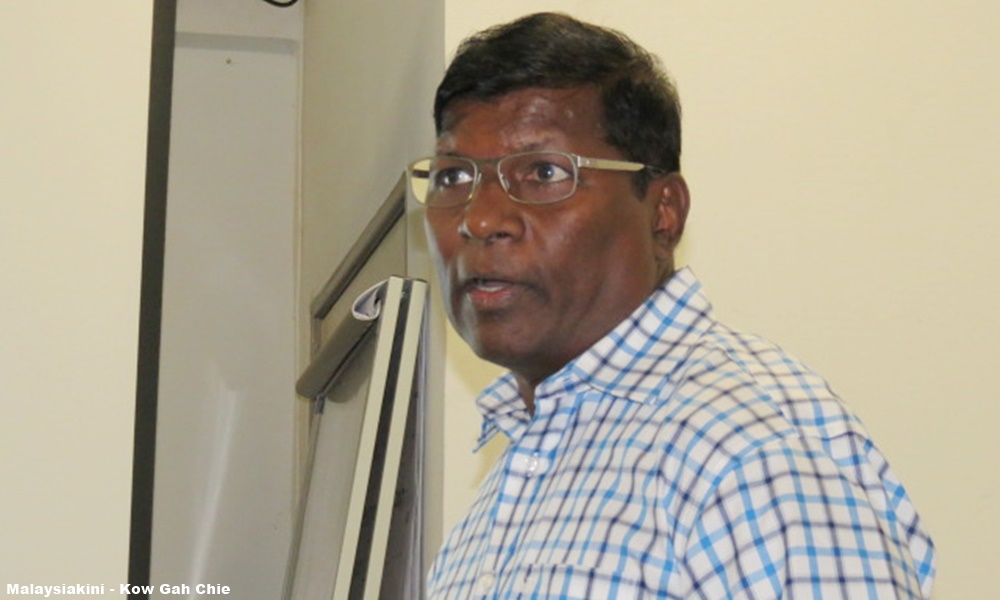
Foreign workers should also take their own government to task for failing to protect their rights, added Somahsundram ( photo ).
Citing an example where the Malaysian government finally agreed to amend law to allow Indonesian maids one day off each week, he said the Indonesian workers should blame their government for not insisting that their welfare be protected.
"Do not blame Malaysia only - you are sending your workers, you have to protect your workers and you (should) set the terms," he stressed.
Other improvements – the transferring wages directly into worker's bank account, proper work contract, and outlining the living condition of the hostels – should be included in the government's policies as well, he said.


