




'Foreign missions not told about detained nationals'
Foreign diplomatic missions have said they are not aware that their nationals are being held without trial under the Internal Security Act (ISA), according to the Human Rights Commission (Suhakam).
Foreign diplomatic missions have said they are not aware that their nationals are being held without trial under the Internal Security Act (ISA), according to the Human Rights Commission (Suhakam).
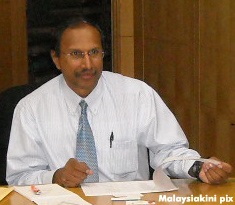 Commissioner James Nayagam said representatives of five diplomatic missions contacted by the Suhakam have claimed to be in the dark about this.
“I have contacted the Philippines (embassy), Sri Lanka, India, Indonesia and Bangladesh. All say they did not know that their citizens are being detained under the ISA,” he said when contacted.
However, they have requested the full names and detainee numbers, for further action.
“We have written to the prison department for these details,” he said.
Suhakam has also contacted its counterparts in the relevant countries, as well as Pakistan.
Last week, Pakistan’s Human Rights Commission had urged its government to extend aid to three nationals being detained in Malaysia under the ISA.
"The Pakistan mission in Kuala Lumpur should be asked to contact the Pakistani detainees and ensure they are not denied their legal rights," it had said in a statement last Wednesday.
Malaysiakini has contacted the Indonesian, Iraqi, Filipino and Sri Lankan missions for comment and is awaiting their response.
According to official statistics, about half of the 45 detainees still being held under the ISA are foreign nationals.
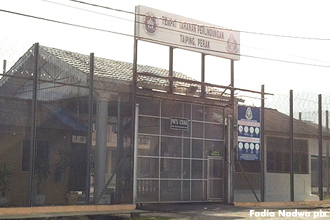 They comprise six Indonesians, four Pakistanis, two Indians, seven Sri Lankans, a Bangladeshi, two Iraqis and three Filipinos.
Some of them are listed in the 'torture notes' allegedly smuggled out of the Kamunting detention camp in Perak.
Iraqi national Sami Hammad has since backed his claims via lawyers who visited him last week.
However, the police have dismissed all such claims as "baseless and malicious".
The detainees are being held for alleged involvement in terrorism, human trafficking or falsifying documents.
Related stories
New security offences law 'more dangerous'


