E-Invoice

If I’m Only Running a Small Business, Do I Still Need to Implement e-Invoice?

If I’m Only Running a Small Business, Do I Still Need to Implement e-Invoice?

-
e-Invoicing for Malaysian Retailers: Managing High-Volume, Low-Value Transactions

e-Invoicing for Malaysian Retailers: Managing High-Volume, Low-Value Transactions

This guide provides Malaysia's e-Invoice requirements while minimising operational disruption.
MyInvois Portal vs. API Integration: Choosing the Right e-Invoicing Method for Your Business Size

MyInvois Portal vs. API Integration: Choosing the Right e-Invoicing Method for Your Business Size

-
B2B vs. B2C e-Invoicing: Understanding the Different Requirements for Various Business Models

B2B vs. B2C e-Invoicing: Understanding the Different Requirements for Various Business Models

The e-Invoice requirements for B2B and B2C business models differ significantly in practical implementation, even as the underlying compliance obligations remain consistent
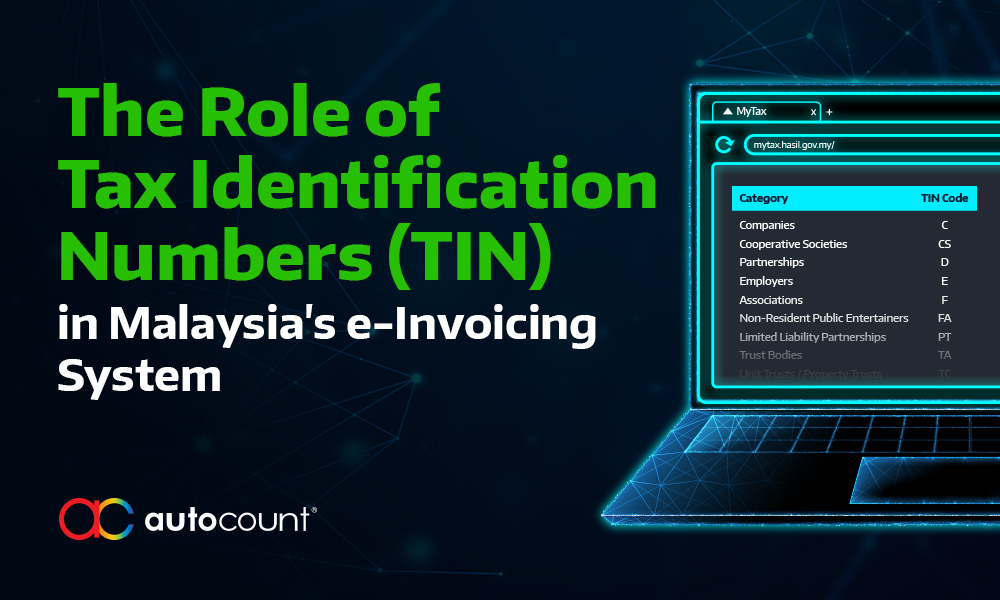
The Role of Tax Identification Numbers (TIN) in Malaysia's e-Invoicing System

The Role of Tax Identification Numbers (TIN) in Malaysia's e-Invoicing System

-
Self-Billed e-Invoices: When and How Malaysian Businesses Should Use Them

Self-Billed e-Invoices: When and How Malaysian Businesses Should Use Them

Understand when and how to issue self-billed e-Invoices in Malaysia to stay compliant with LHDN’s regulations.

Consolidated e-Invoices: How to Efficiently Manage Multiple Transactions in One Submission

Consolidated e-Invoices: How to Efficiently Manage Multiple Transactions in One Submission

Step-by-Step Guide to Creating and Submitting Consolidated e-Invoices
From Paper to Digital: A Step-by-Step Transition Plan for e-Invoice Implementation

From Paper to Digital: A Step-by-Step Transition Plan for e-Invoice Implementation

Here is a guide to help Malaysian businesses transition from paper to e-Invoicing smoothly, efficiently, and in compliance.

Preparing Your Team for e-Invoicing: Training, Process Changes, and Change Management Tips

Preparing Your Team for e-Invoicing: Training, Process Changes, and Change Management Tips

-
Understanding Malaysia's e-Invoice Timeline: Is Your Business Ready for the 2025 Mandate?

Understanding Malaysia's e-Invoice Timeline: Is Your Business Ready for the 2025 Mandate?

-
The Role of Technology in e-Invoicing

The Role of Technology in e-Invoicing

AutoCount Accounting’s Intelligent Submission allows their users to have full control over their e-Invoice submission
What are the benefits of e-Invoicing?

What are the benefits of e-Invoicing?

The seamless integration of MyInvois Portal with accounting systems simplifies tax filing
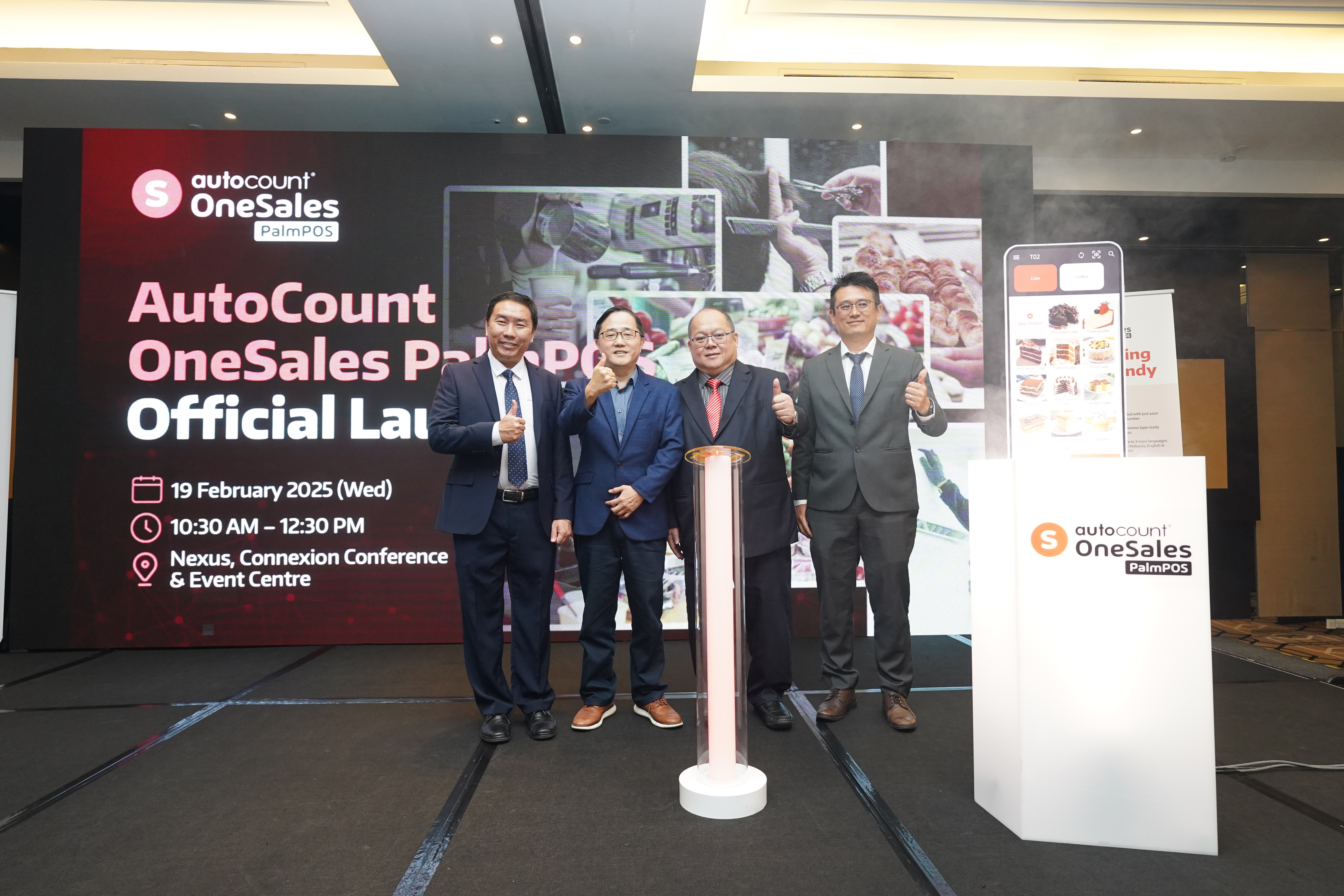
AutoCount’s OneSales PalmPOS: Turning e-Invoicing into a Breeze!

AutoCount’s OneSales PalmPOS: Turning e-Invoicing into a Breeze!

AutoCount’s PalmPOS helps businesses stay compliant and grow with ease
The differences between e-Invoicing and traditional invoicing in Malaysia

The differences between e-Invoicing and traditional invoicing in Malaysia

Modern e-Invoicing solutions are made to be user-friendly and accessible to businesses of all scales. In fact, businesses can also look to software solutions, such as AutoCount, to help the adoption of e-Invoicing.
Strategies to overcome resistance to e-Invoicing in Malaysia

Strategies to overcome resistance to e-Invoicing in Malaysia

Beginning August 1, 2024, e-Invoicing has become compulsory for businesses.